Recurrent Novae Star T CrB: Now Is The Time To Be Watching For The Predicted Outburst
For those waiting and watching for the predicted outburst of recurrent novae star, T Corona Borealis, the excitement is building, but no one knows when the event will happen.
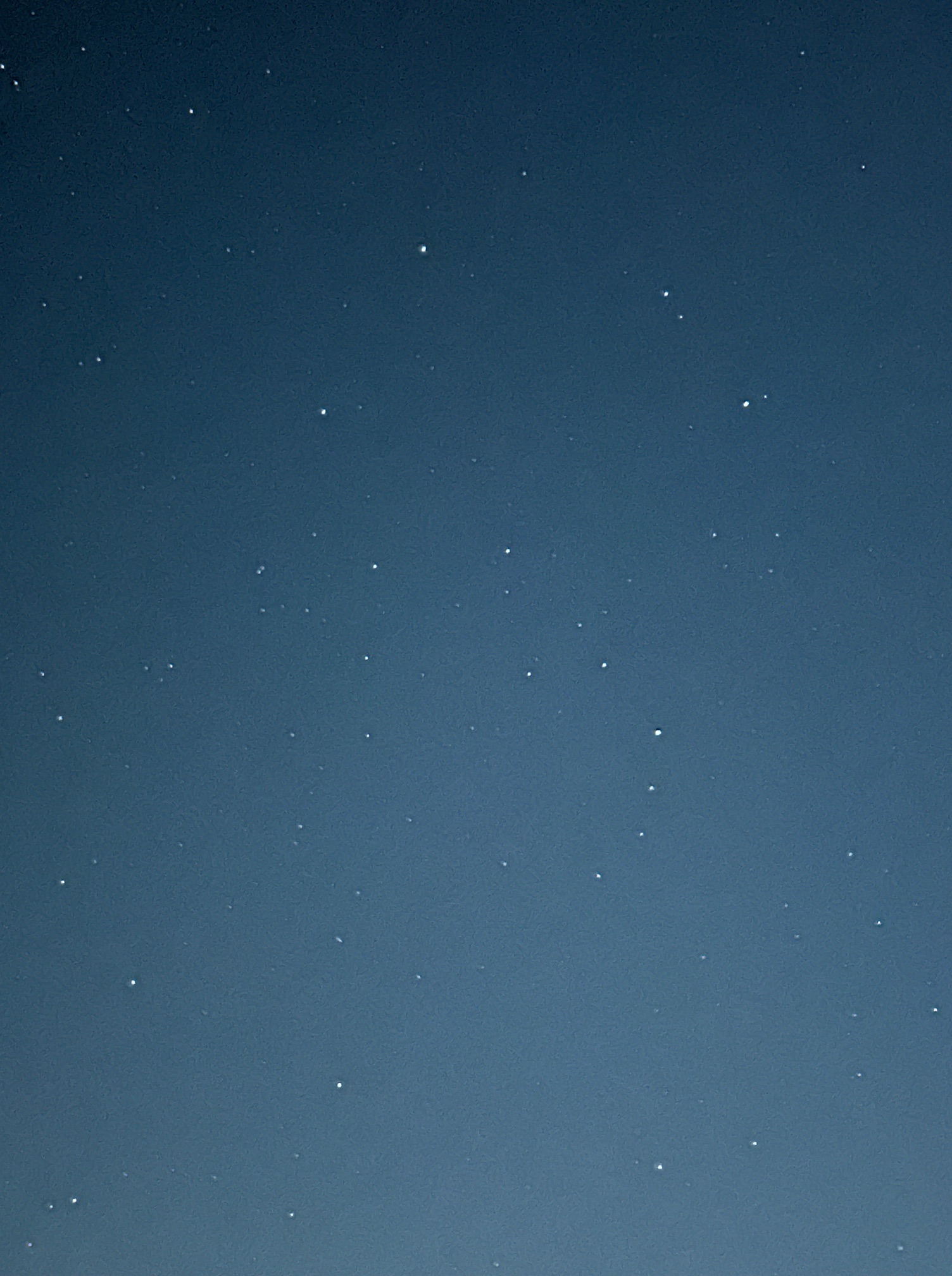
I’ve been making photos of the constellation Corona Borealis as often as possible since March (2025) using my cellphone with 3-second exposures. When the outburst “finally” occurs, there will be the appearance of a “new star” in the constellation and visible without optical aid. The outburst could become the brightest star in the constellation, possibly reach a magnitude of 2.0 or even brighter.
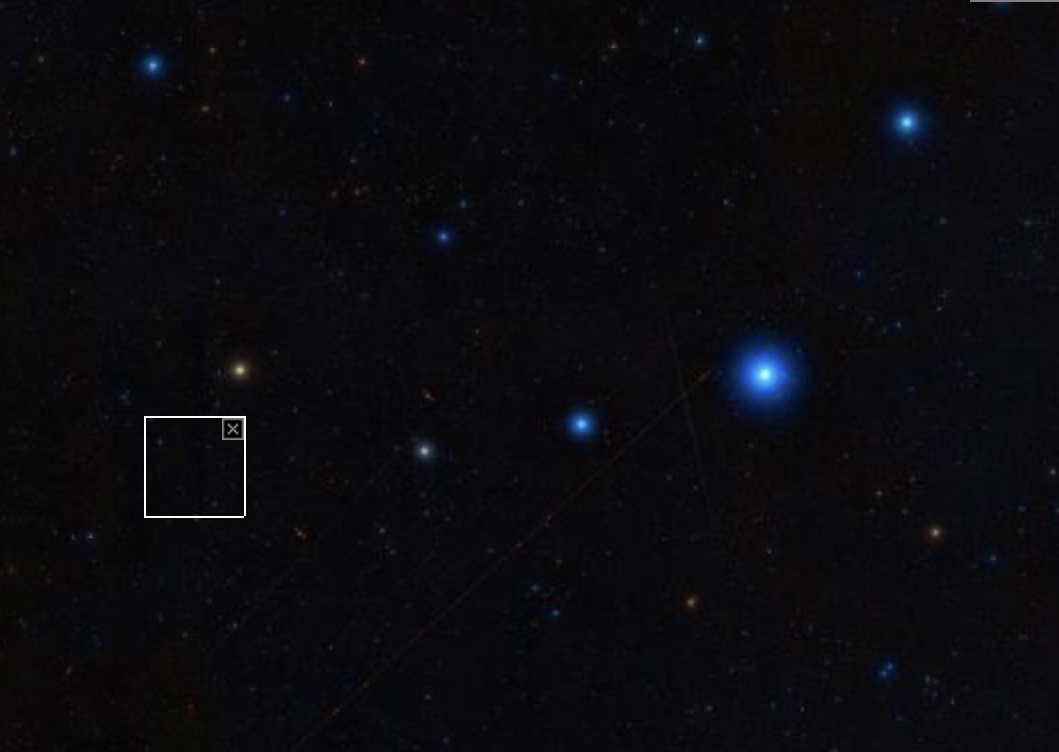
For the location of T, see the (X) inside the box, which at current or before the outburst is shinning at ~10, which is much fainter than can be seen without optical aid. Image as following and credit to wikisky.org
The following photo was made this morning…Saturday February 7th 2026 @ 2:56 AM: Corona Borealis is in perfect sky position, high in the east. The bright moon made the constellation difficult to see without optical aid.
In his book Starlight Nights,Peltier writes:
“I alone am to blame for being remiss in my duties, nevertheless, I still have the feeling that T could have shown me more consideration. We had been friends for many years; on thousands of nights I had watched over it as it slept, and then it arose in my hour of weakness as I nodded at my post. I still am watching it but now it is with a wary eye. There is no warmth between us any more.” Leslie Peltier
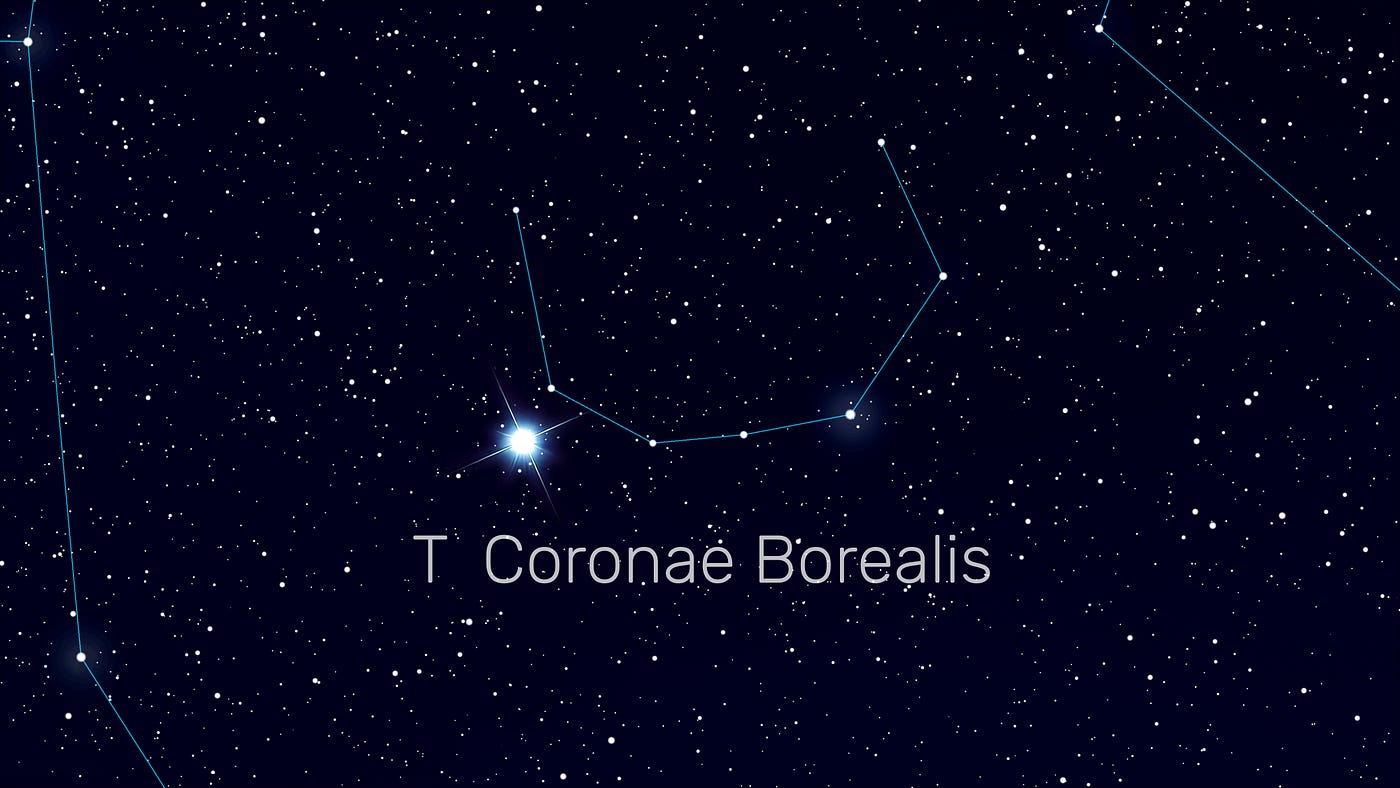
The following picture is provided just for reference as to the location of T, however, not likely will it be this bright as related to other stars in the constellation, but lets keep watch.
The following excerpts are from a “Sky & Telescope” online article.
Take T Coronae Borealis (T CrB). It’s one of only about 10 stars in the entire sky classified as a recurrent nova, with two recorded outbursts to its name. Normally, the star slumbers at 10th magnitude, but on May 12, 1866, it hit the roof, reaching magnitude +2.0 and outshining every star in Corona Borealis before quickly fading back to obscurity. Eighty years later, on February 9, 1946, it sprang back to life, topping out at magnitude +3.0.
In his book Starlight Nights, Peltier writes:
“I alone am to blame for being remiss in my duties, nevertheless, I still have the feeling that T could have shown me more consideration. We had been friends for many years; on thousands of nights I had watched over it as it slept, and then it arose in my hour of weakness as I nodded at my post. I still am watching it but now it is with a wary eye. There is no warmth between us any more.”
T stayed under the radar for the next 69 years, holding steady around magnitude +10.2–10.3. That began to change in February 2015, when it inched up to +10.0 and remained there until early February this year. That’s when things kicked into high gear with the star steadily growing brighter from late winter through early spring to reach its current magnitude of ~9.2.
Alongside the brightening trend, T’s become bluer as well. Astronomers describe its recent unprecedented activity as a star entering a “super active” state. This last happened in 1938, eight years before its last great outburst.
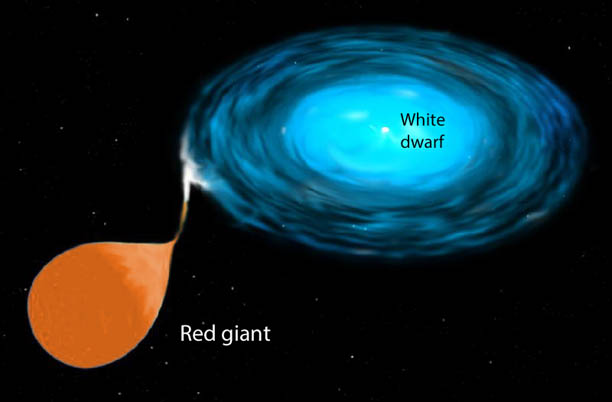
NASA
 rogerivester.com