Some Local History From Days Past: The Lawndale Snack Shop Operated From The 1950’s To About 1965
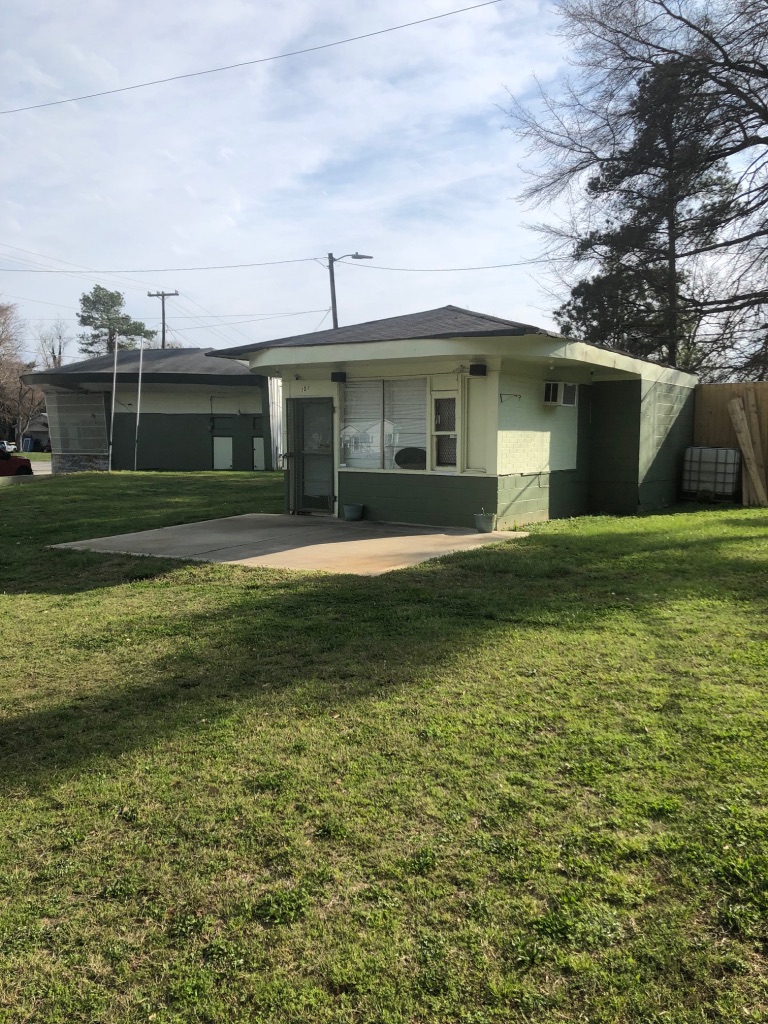
About three years ago, Debbie, Sophie, and I were riding through Lawndale when we passed what was once the Lawndale Snack Shop. As we went by, it occurred to me that someday this little building, along with the stories and memories associated with it, might simply be lost to time. We stopped to take a photograph, and I began putting together the story as I remembered it.
I’ve been writing about local history and sharing personal memories on my blog for almost 10 years now. I feel it’s important to preserve these stories, because once they’re forgotten, a small but meaningful part of our local history disappears with them.
In our small town of Lawndale, one of the local favorites was the Lawndale Snack Shop, a place that brings back many fond memories. Yes, I was young in those days, but the memories remain surprisingly good, even after all these years.
The Lawndale Snack Shop, which operated from about the mid-1950’s through ~1965.
During a bicycle ride this morning, October 31 (2026) there was a mention of the 1973 movie American Graffiti. I shared how our local area resembled the setting of the movie in so many ways, when I was really young.
There was curbside-service restaurants, high-performance cars, drive-in movie theaters, and many other familiar sights of that era.
In our small town of Lawndale, one of the local favorites was the Lawndale Snack shop:
This was a popular gathering spot for local teenagers. The parking area out front was pretty rough, with washed-out ditches and mostly red dirt. There was no gravel—just plain dirt. The Snack Shop was best known for its hamburgers and french fries. However, since writing this, I’ve learned that Livermush sandwiches were also a local favorite and quite popular with the teenagers who gathered there.
Orders would be taken at a small window. And curb service was available, for those that chose not to get out of their car. A server would then bring the food out via a tray, that would attach to a partially rolled down window.
I remember going to the Snack Shop occasionally with my mom and dad. One thing that has always stuck in my memory is the exterior, which I recall being painted mostly yellow, with yellow lights glowing beneath the overhang.
When driving up the hill from Lawndale at night, you could see the Snack Shop from a distance. That little burger joint seemed to shine like a welcoming beacon. It’s a fond memory that has stayed with me over the years, as well as so many others.
I remember seeing a pink and black 1956 Ford parked out front with fender skirts, which I can see in my mind even to this day. If only I had a photograph of the parking lot in the late 50’s or early 60’s, especially on a Sunday afternoon. It might have been possible to see a 1960 Chevrolet 409, a Ford Fairlane with a 406 engine, a Studebaker, 1958 Plymouth Fury and there were always plenty of 57 Chevrolets.
Guys would often stand outside their cars, talking and socializing, while the sound of “Sherry” by The Four Seasons played in the background from a car radio. It was a scene that captured the spirit of another time.
If you’ve ever watched the movie American Graffiti, you might recognize a similar atmosphere. The Lawndale Snack Shop represented that same kind of gathering place, with many of the same experiences and memories—not in California, where the movie was set, but right here in our own small town of Lawndale, North Carolina.
In my opinion, this little building is more than just an old building. It’s a landmark that represents a special era when a guy’s car was more than just a means of transportation—it was an extension of his personality, a source of pride, and often a reflection of their identity.
Unfortunately, this period also marked the beginning of a turbulent era. The Vietnam War was escalating, illegal and psychedelic drugs were gaining popularity across other parts of the country, and the counterculture movement of peace and love was beginning to take shape in California. What followed would become a defining chapter in American history, and the rest, as they say, is history
Explore posts in the same categories: Roger's Articles
