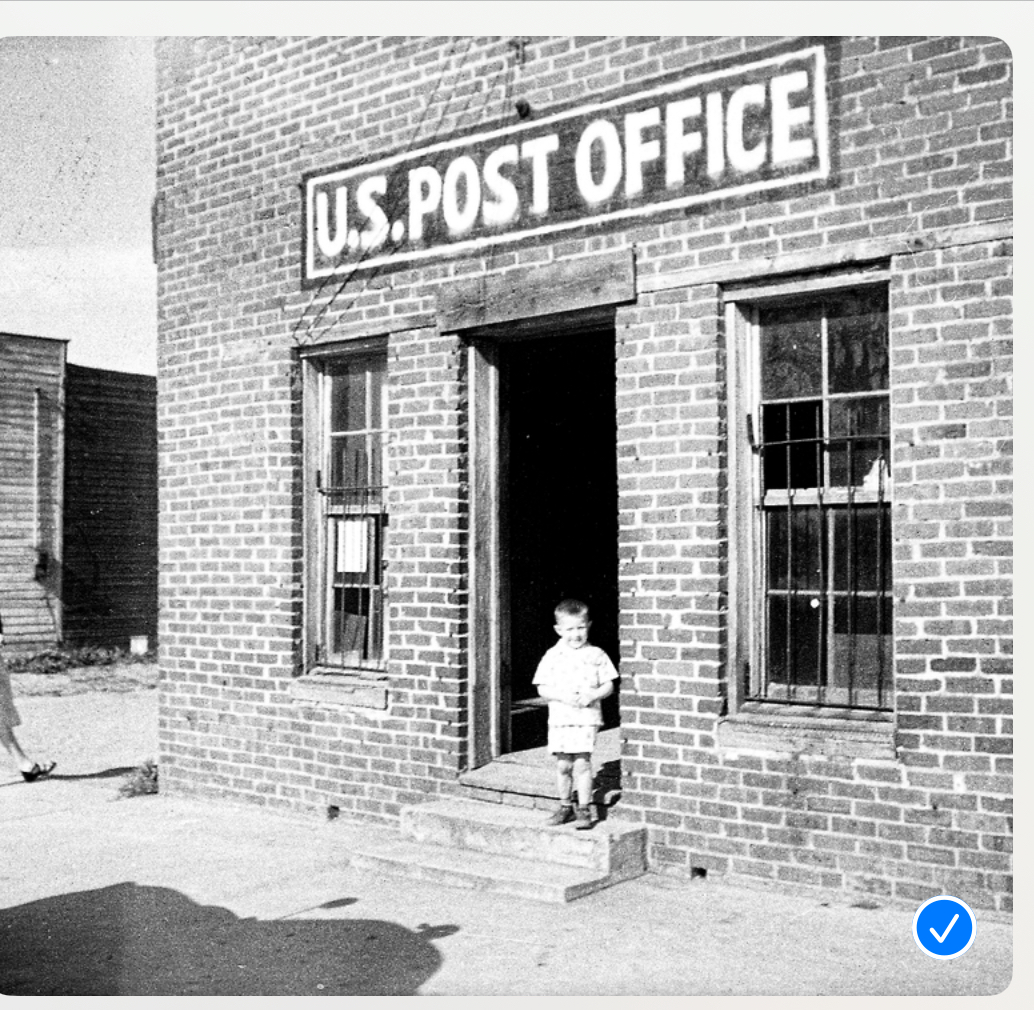
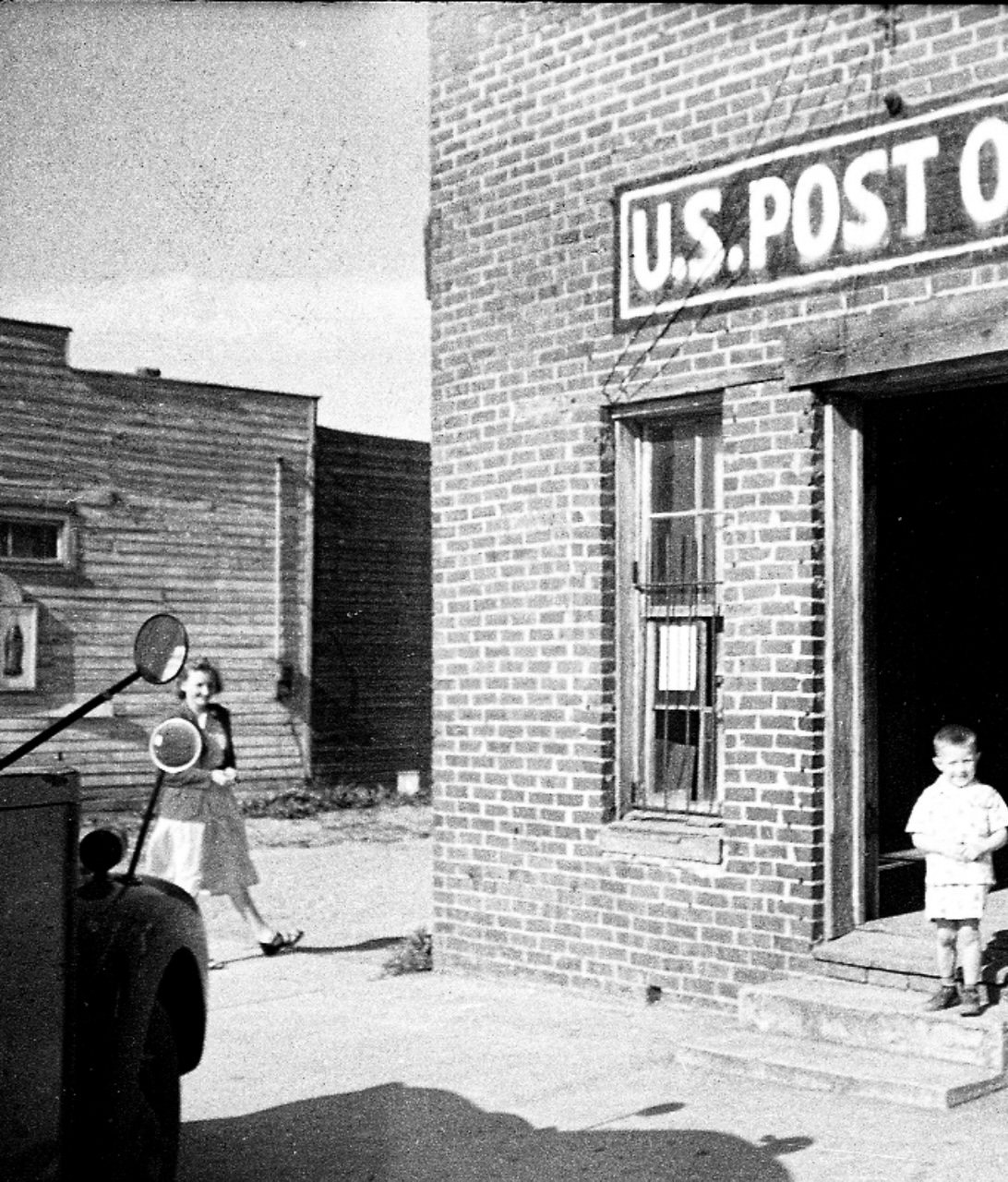
Early 50’s: Photo credit Tommy Greene
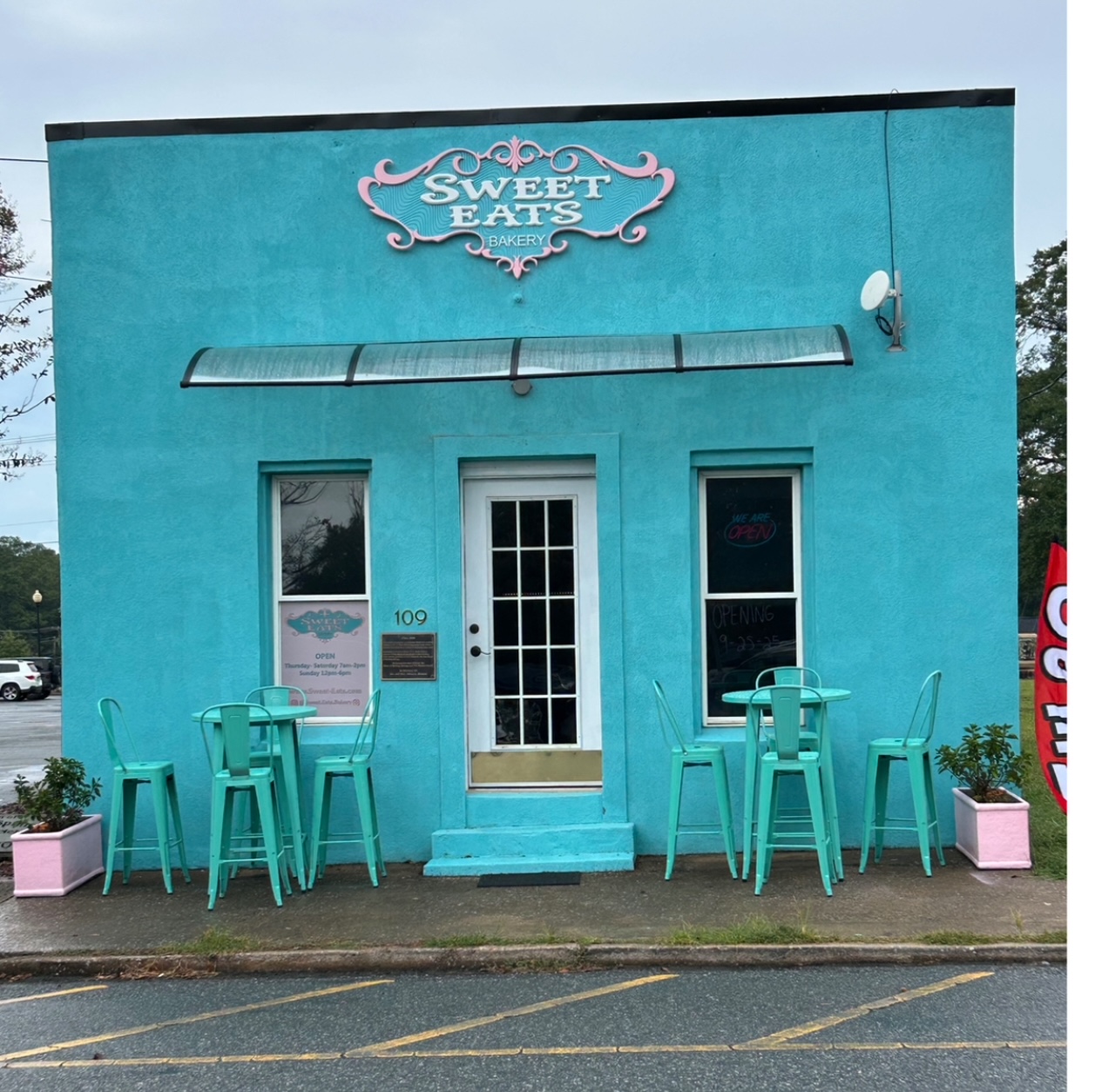
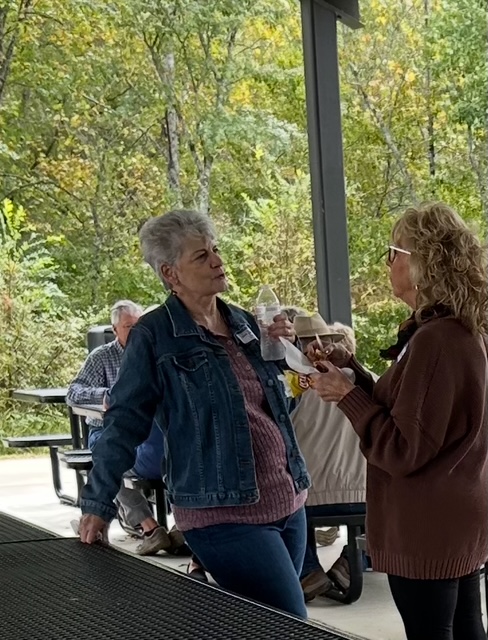
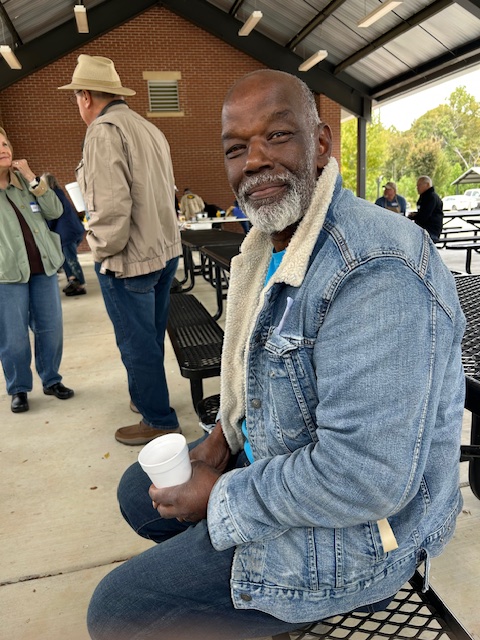
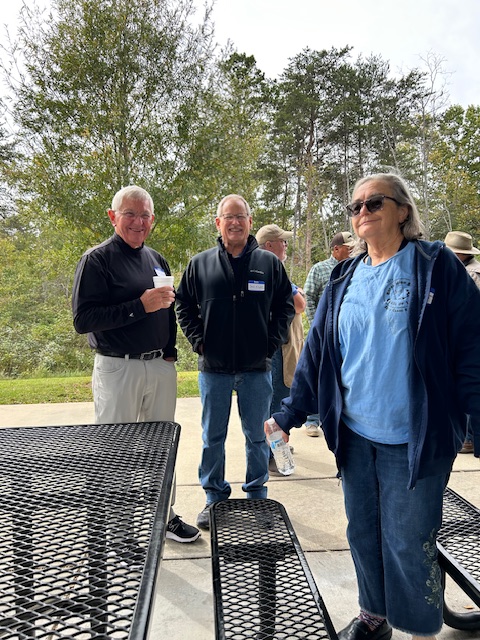
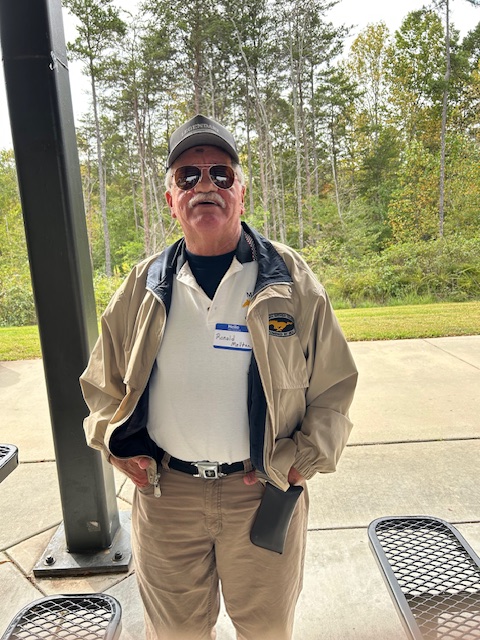
We visited the coffee shop earlier today (Thursday, September 25th 2025)



Debbie and I thought it would be good (a year or so ago) to document a little history concerning the building, and some information about W.J. Cash from wikipedia: So Read on...
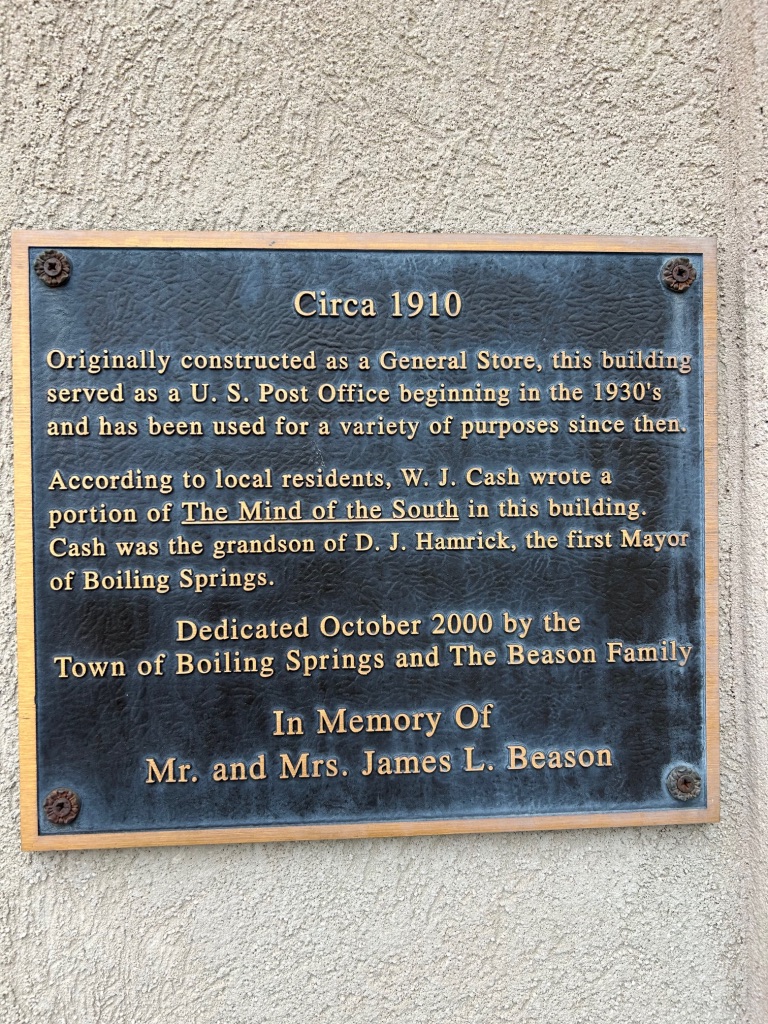
Excerpts and photo as following from Wikipedia: The article is very long, so I tried to take out as much as possible, but leaving what I thought was the most important.
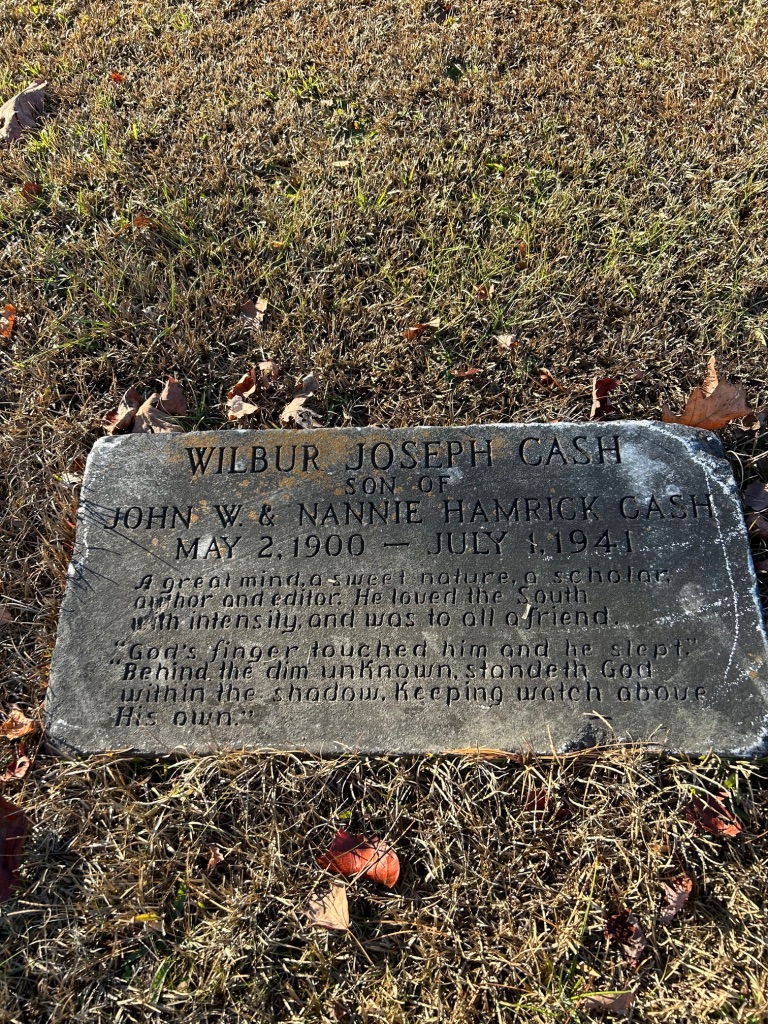
Wilbur Joseph “Jack” Cash (May 2, 1900 – July 1, 1941) was an American journalist known for writing The Mind of the South

Early life and education
Cash, known as “Jack” throughout his life, was born as “Joseph Wilbur Cash” – he later reversed the order of his given names, and normally used only the initials – and grew up in the mill village of Gaffney, South Carolina. He had three brothers and a sister, of whom he was the eldest. He was educated at the local public school until he was 12, when his family moved to Boiling Springs, North Carolina, 14 miles away across the state border – his mother’s home town – so that his father could become a partner with Cash’s maternal grandfather in a general store there.
…..In 1918 and 1919, at his father’s wish, Cash attended Wofford College, a Methodist school, but left because he objected to the school’s narrow provincialism. He then enrolled in Valparaiso University, a Lutheran college in Valparaiso, Indiana, dropping out around Christmas 1919. In 1920, again at his father’s urging, he entered the Baptist school Wake Forest College, despite it being what he considered to be a “preacher college.”[2]
In the summer, he worked at the hosiery mill at which his father was then the superintendent. Cash graduated in 1922 with an A.B., and then attended law school there for a year, before deciding not to pursue a legal career.[2] Cash later declared that he left law school because it “required too much mendacity.”
…..Cash taught English at Georgetown College in Georgetown, Kentucky, and at a high school in North Carolina, before experiencing a nervous collapse. Throughout his life, Cash suffered from manic depression or affective disorder, which manifested itself in breakdowns, periods of depression, fear of sexual impotency, and physical ailments such as not being able to swallow or choking when he spoke. He also suffered from a hyperthyroid condition, occasional alcoholism and excessive smoking. Cash usually referred to his condition as “neurasthenia“.[7]
From 1926 to 1928, Cash held several newspaper jobs: a year in Chicago writing for the now-defunct Chicago Evening Post; several months with The Charlotte News during which he wrote a wistful philosophical column titled “The Moving Row”; and a four-month stint during the fall of 1928 as the chief editor of a small semi-weekly newspaper, the Cleveland (County) Press, in Shelby, North Carolina.
…..Afterwards, Cash moved back into his parents’ house in Boiling Springs – where he lived with his extended family, including his two brothers and their pregnant wives. He contributed to H. L. Mencken‘s The American Mercury magazine, and received encouragement from Mencken. From 1929 to 1935, Cash wrote eight articles about various aspects of the South,[a] including one in October 1929 called “The Mind of the South”, which would become the basis for the later book.[b]
During the period of primary writing on The Mind of the South (1929 to 1937), Cash continued to live with his parents in Boiling Springs.[9] When his contributions to The American Mercury ended after Lawrence Spivak took over ownership of the magazine, Cash supported himself with freelance weekly book reviews to The Charlotte News from 1935 to 1939, for each of which he received a payment of $3, equivalent to about $60-$65 in 2023.
Cash’s seminal article, “The Mind of the South”, was published in The American Mercury in October
In 1932, however, he began to write seriously again, using the unheated back room of the Boiling Springs Post Office, where his aunt was the postmistress.
After Cash had some success at The Charlotte News, he finally had the personal and professional confidence he had previously lacked, and his work there helped him to develop his unique style of writing. He also met and fell in love with Mary Bagley Ross Northrup (later known as Mary Maury), a divorced woman who also wrote for the paper, and who helped him to complete the book through his periods of depression, and his continued focus on events in Europe. During this period, Cash would listen to the news on the radio about the Anschluss with Austria, the invasion of Poland, or the fall of France and would pace around the room, biting his nails, hands, and wrists, leaving marks. He would become so upset that he would leave the house and walk the streets at night.[14]
Finally, on July 27, 1940, the last pages of the manuscript were finished and sent to New York. Five months later, on Christmas Eve, Cash and Northrup were married by a justice of the peace in York, South Carolina.[11][2]
On February 10, 1941, The Mind of the South was published by Knopf. The book, an intuitive socio-historical exploration of Southern culture, received wide critical acclaim at the time and garnered for Cash praise from such sources as Time, The New York Times, The Saturday Review of Literature, and most Southern newspapers of note, although criticism came from the Agrarian group out of Vanderbilt University in Nashville. Cash also received the thanks of Walter White, the director of the NAACP, for the book’s liberalism in regard to race and its exposure of the bigotry of the South.[15] Time said of The Mind of the South “Anything written about the South henceforth must start where [Cash] leaves off.”
Cash and his wife chose Mexico to spend their year on the Fellowship because it was cheap to live there, and they would have to watch every penny; they embarked on their trip to Mexico City on May 30 1941.[2] Cash had been invited by University of Texas president Homer Rainey to provide the main commencement address to the 1941 graduating class on June 2 in Austin, Texas.
While in Mexico City, Cash came under an apparent psychotic delusion. On June 30, he told his wife that he heard Nazi assassins whispering in the next room, plotting to kill him. The next day, when he was calmer, she went to get help. On her return with a correspondent they had met earlier, Cash was not in the room.
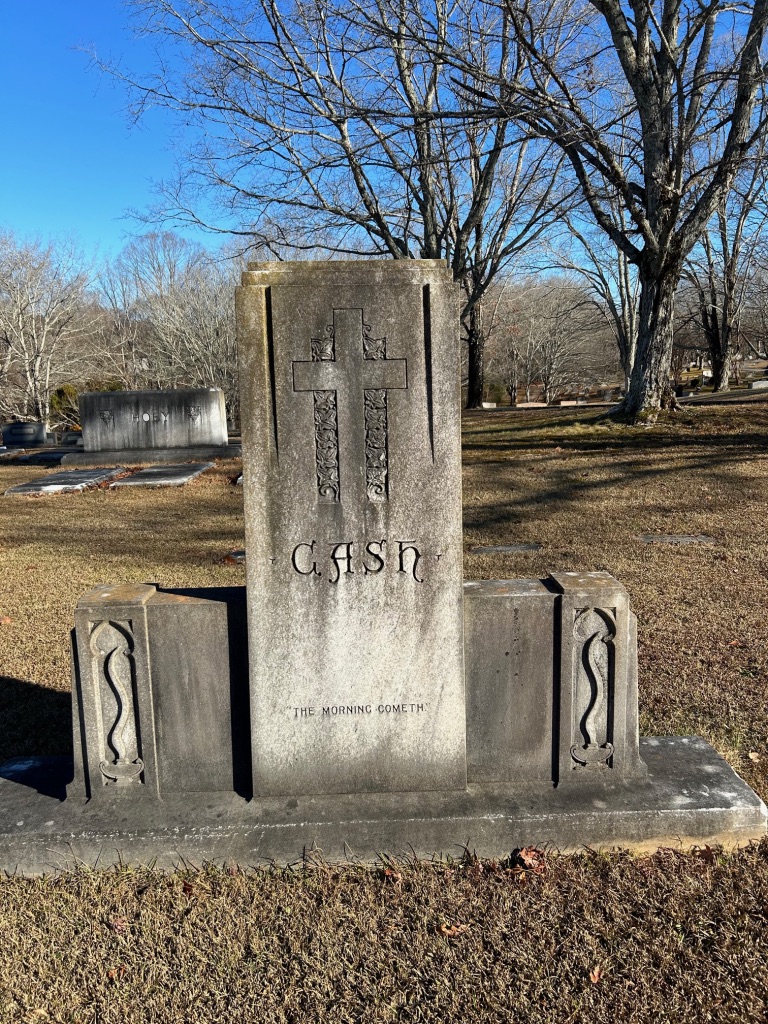
Hours later, he was located in another hotel, the Hotel Reforma, where he had hanged himself with his tie from the bathroom door.[17][d] An autopsy failed to find evidence of a brain tumor. Cash’s remains were cremated, and a funeral service was held in the First Baptist Church in Shelby. The ashes were later envaulted in Sunset Cemetery in Shelby.[2]
































 rogerivester.com
Recent Comments