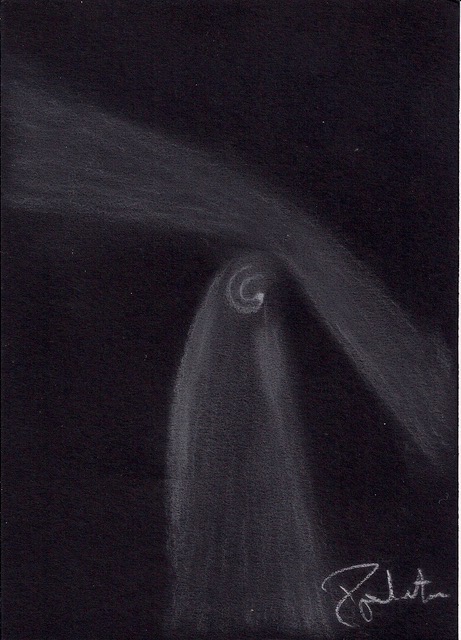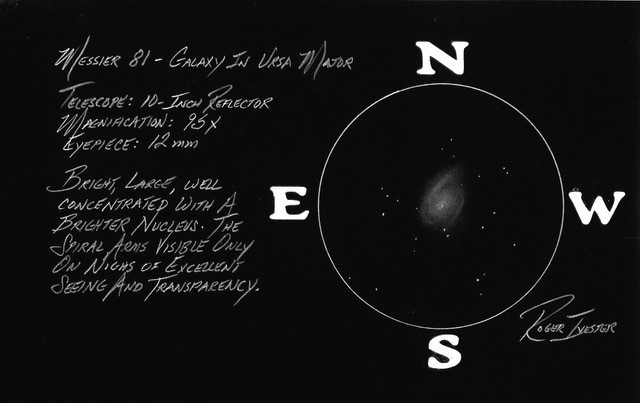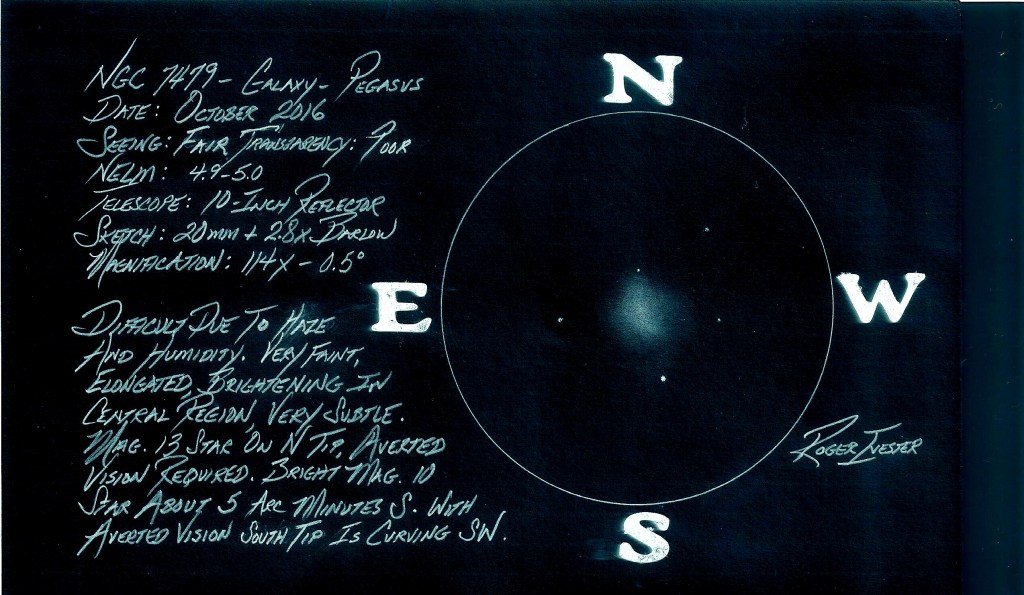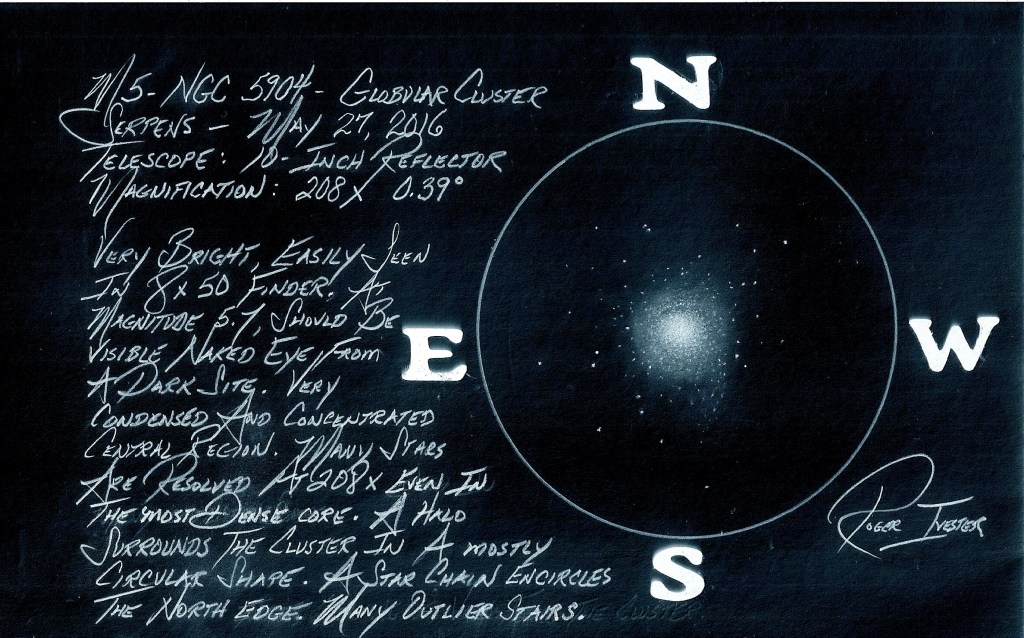
NGC 6118 Galaxy In Serpens: June 2024 Observer’s Challenge Object #185

Posted January 9, 2024 by rogerivester
Categories: Work File Only - Observer's Challenge Reports

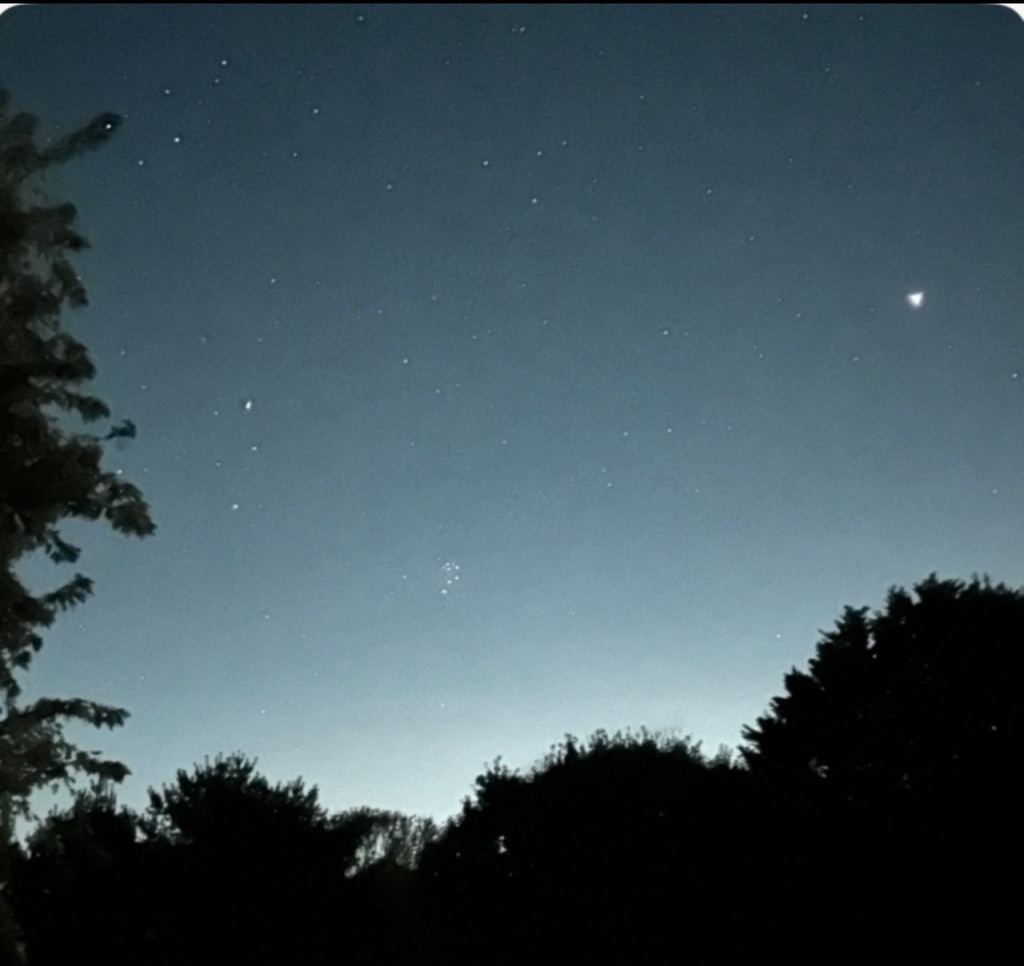
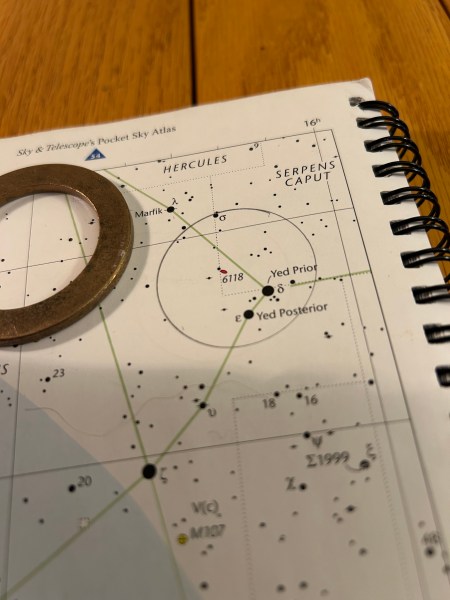
Many amateurs consider NGC 6118, also known as “The Blinking Galaxy” to be the most difficult object in the entire Herschel 400 list.

I remember first reading about this galaxy almost 30 or more years ago in an astronomy publication, possibly the Astronomical League, Reflector Magazine. This article concerned an amateur who was just beginning his quest to see the entire list, and “as bad luck would have it” chose NGC 6118 as his first object. This galaxy is known as “The Blinking Galaxy” due to it seemingly appearing and then vanishing, similar to a few planetary nebulae. So, after consulting with other amateurs, he was told that NGC 6118 was extremely faint and was possibly the most difficult object in the entire Herschel 400 list.

I was working on the Herschel’s at the time (1994-1995) while reading this article, but had not attempted to locate and observe this galaxy. I had completed about 150 or more of the objects, but due to light pollution and a very poor southern view was forced to cancel my efforts.

However, since that time, I’ve just not been able to forget about galaxy NGC 6118 and the article, concerning its difficulty.

March, April and May 2024

I also attempted two very early morning observing sessions in March and April of 2024, from my suburban backyard, but again without success. A dark site is really needed to observe any low-surface-brightness galaxy, especially one as dim and faint as NGC 6118.

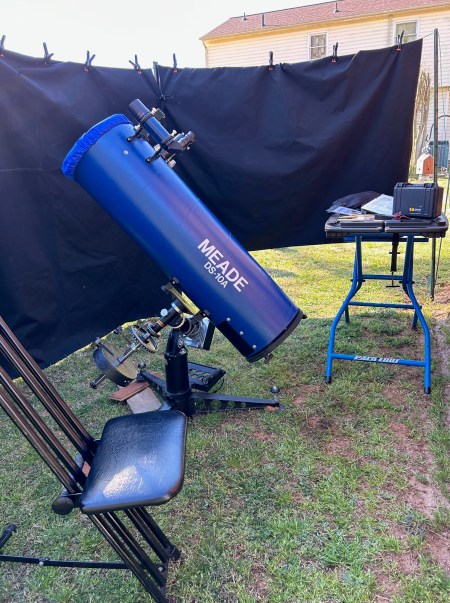
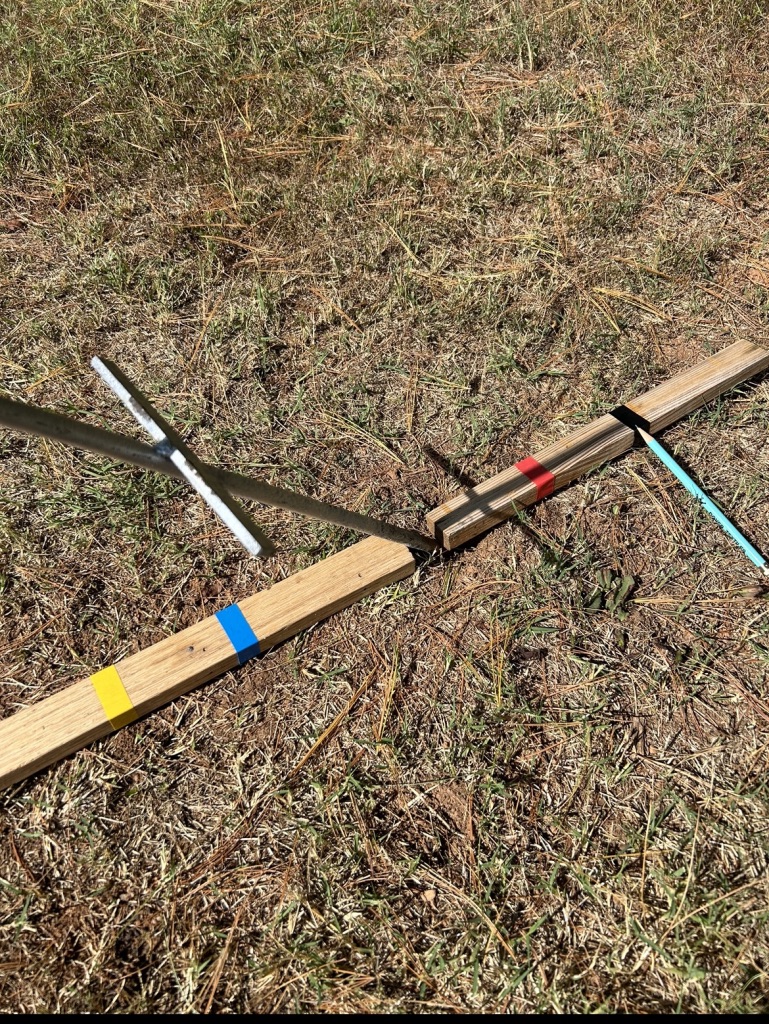
Many years ago, I assembled light-block system, made of heavy-duty automotive-marine fabric. This simple, but effective structure has helped me on many occasions over the years to see difficult and faint deep-sky objects. The light-block system is especially helpful in some areas of the southern sky, where light pollution is significant. It’s easy to set up and take down. When the fabric is removed and folded for storage, the steel post and plastic-coated wires remain and are hardly noticeable.

I attribute my ability to finally see NGC 6118 was due to blocking a very bright LED carport light less than 1/8 mile away. This light was shining directly toward my backyard, and brightening up the area of my telescope and observing location significantly.

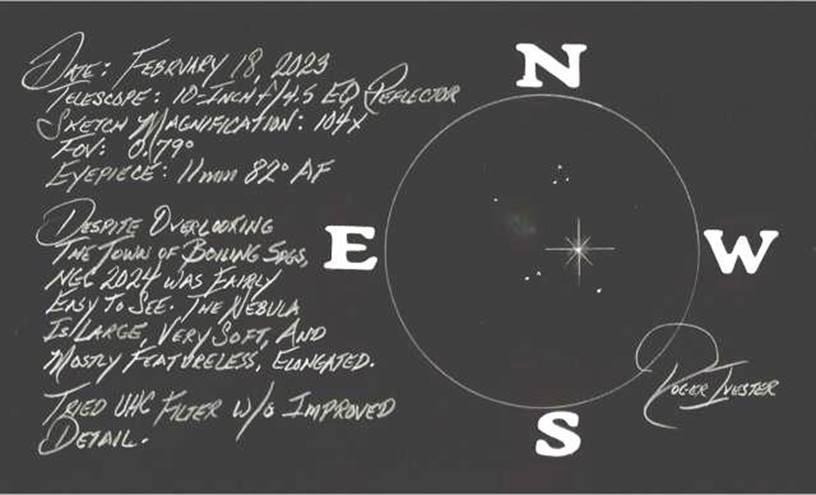
Saturday morning; May 11th 2024 @ 1:00 AM, with a 5.0 NELM overhead, but far less in the sky near NGC 6118, due to overlooking the town of Boiling Springs.

With a bit of difficulty and after almost an hour of careful observing, I was finally able to see the galaxy. My portable “make-shift” observatory was the answer to finally seeing this faint and difficult object from my suburban backyard.

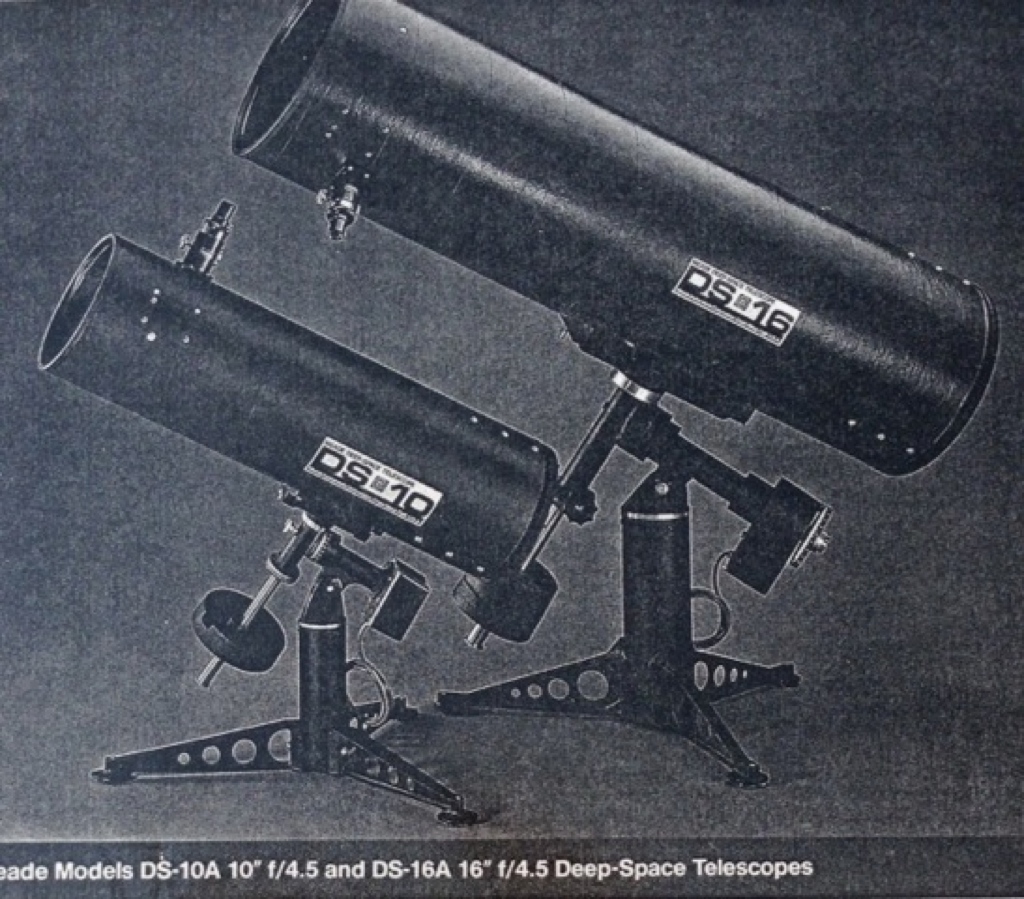
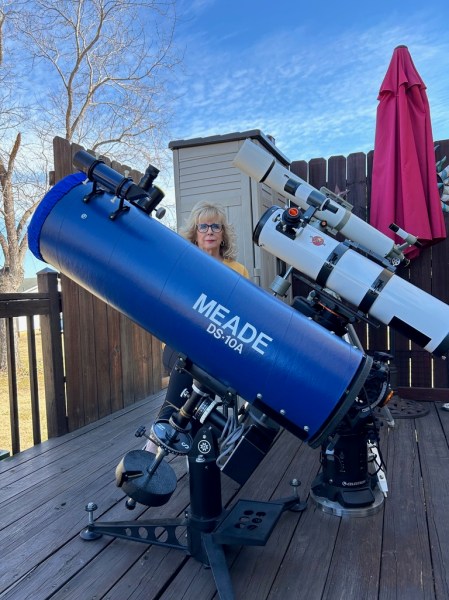
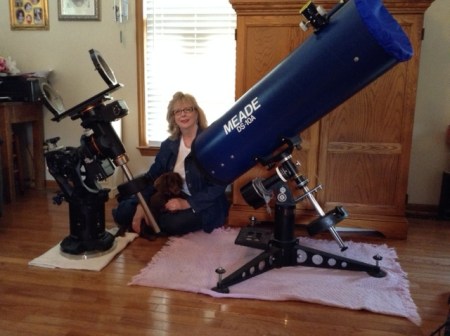
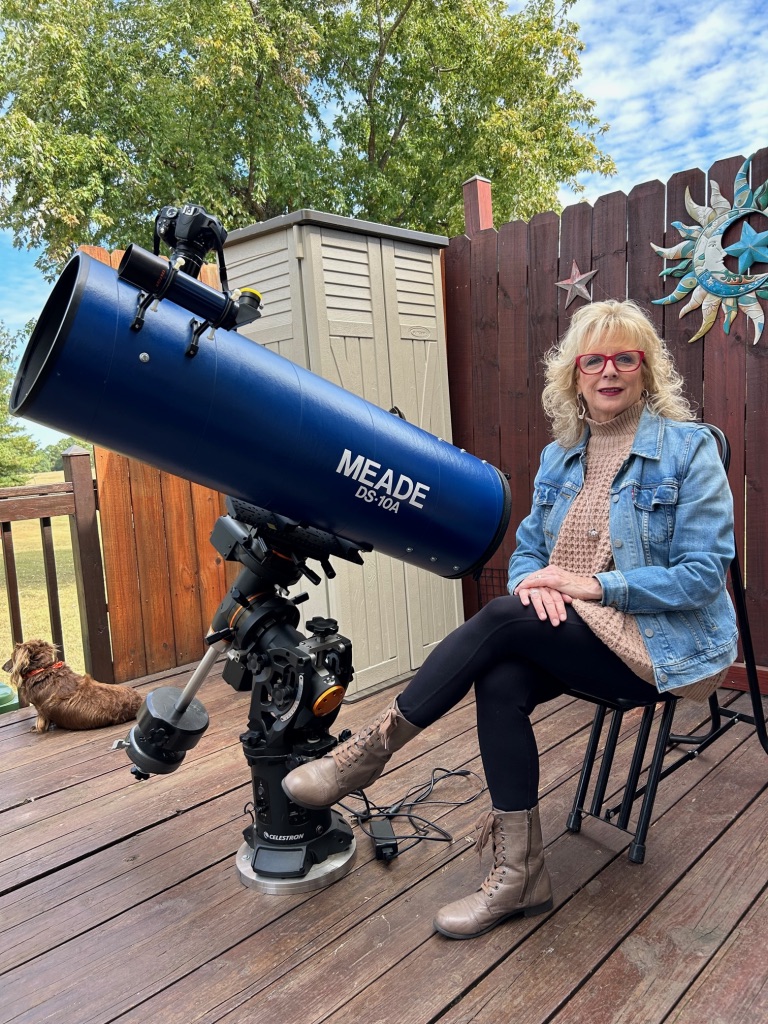
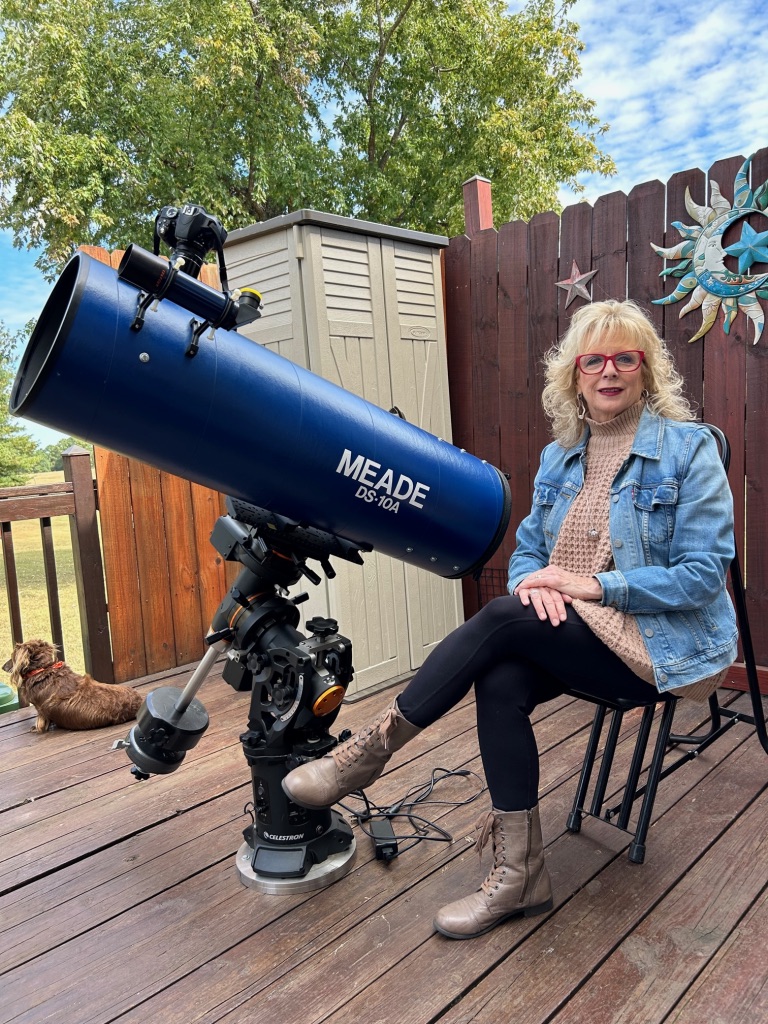
I really don’t think this galaxy would be that difficult from a dark-site, and with my 10-inch Newtonian. However, as I’ve mentioned previously, my days of traveling with a telescope have been over for a few years now. I just love the convenience of my backyard and seeing a galaxy this faint, proves that a suburban backyard can still allow effective deep-sky observing.

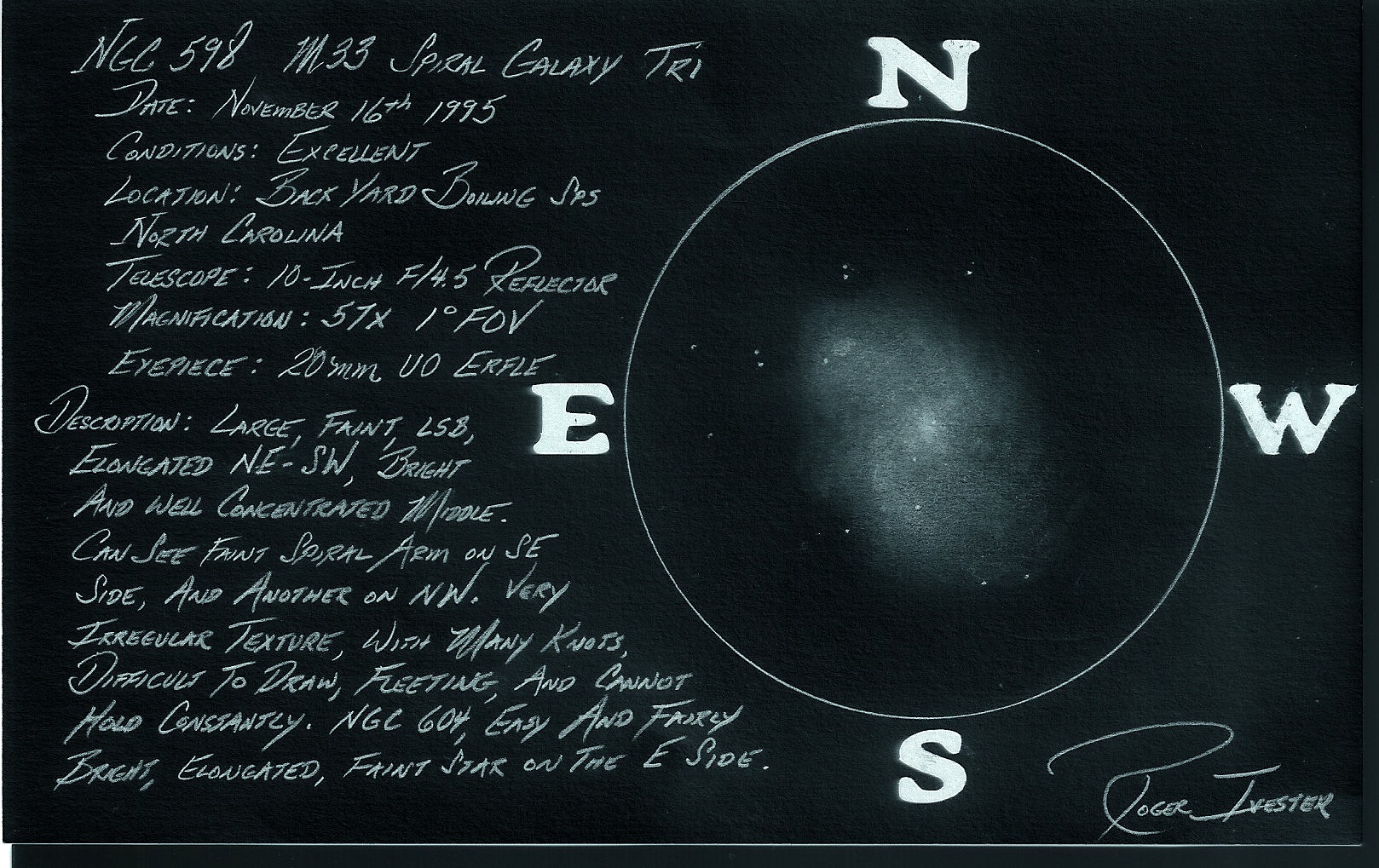
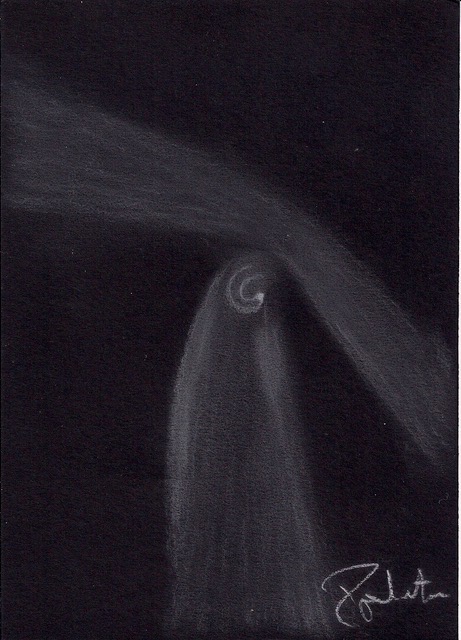
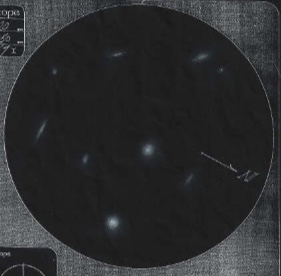
Description: A tiny and subtle brighter middle, which resembles that of a planetary nebula. And like so many planetary nebulae, when using direct vision, vanishes or winks out. I now know why NGC 6118 is known as “The Blinking Galaxy.” The galaxy has a very faint and diffuse halo with mottling, which is oriented NE-SW.

NGC 5350 Galaxy Cluster In Canes Venatici: May 2024 Observer’s Challenge Object(s) #184

Posted January 8, 2024 by rogerivester
Categories: Work File Only - Observer's Challenge Reports

NGC 3190 Leo Galaxy Group: April 2024 Observer’s Challenge Object(s) #183

Posted January 7, 2024 by rogerivester
Categories: Work File Only - Observer's Challenge Reports

NGC 2440 Planetary Nebula In Puppis: March 2024 Observer’s Challenge Report #182

Posted January 6, 2024 by rogerivester
Categories: Work File Only - Observer's Challenge Reports

NGC 1579 Reflection Nebula In Perseus: February 2024 Observer’s Challenge Object #181

Posted January 3, 2024 by rogerivester
Categories: Work File Only - Observer's Challenge Reports

For the entire report….click on the following link:

february-observers-challenge-ngc-1579a

NGC 936 Galaxy In Cetus: January 2024 Observer’s Challenge Report #180

Posted December 20, 2023 by rogerivester
Categories: Work File Only - Observer's Challenge Reports

Complete Observer’s Challenge Report:

2024-observers-challange-ngc-936-and-ngc-941

IC 1848 “The Soul Nebula” Cassiopeia December 2023 Observer’s Challenge #179

Posted November 17, 2023 by rogerivester
Categories: Work File Only - Observer's Challenge Reports

Visual Observing With A 6-inch f/6 Imaging Newtonian And Resolving Pinched Optics

Posted November 17, 2023 by rogerivester
Categories: Uncategorized

A few nights ago (July 2nd) while observing some asterisms, star images were ragged and would not properly come to focus. It was exhibiting the classic problems of pinched optics. The telescope had worked fine over the years, but I’d never taken the mirror out of the tube. However, on this night when the problems began, it was in the mid-80’s. Really hot!

So, the next day I removed the mirror and discovered that the clips were indeed tight. After a mirror wash, I reinstalled with care.

I used a sheet of notebook paper to carefully slide between the mirror clips and the mirror, before lightly tightening the dual screws on each of the clips. This insures that the mirror has room allowance for expansion with changes in temperature, especially on hot summer nights.

Then using a Cheshire collimator and a follow-up using an artificial star (Christmas ball about 100 feet out in the backyard) and a bright sun. Everything was ready for another night sky observing session.

Defocusing a star both inside and outside of focus, presented almost identical and very smooth rings. A good mirror, especially for a mass-produced telescope. This OTA was made in Taiwan, which is producing some really good products these days.

Taiwan has taken over the very “high-end carbon fiber” bicycle market. And I’ve been told by some race engine builders, Taiwan has some fine and very modern CNC metal working machinery…possibly some of the best in the world. A $50,000 race engine cannot use substandard parts, and many race engine parts now come from Taiwan.

The sky was very stable in the very morning hours, as I was anxious to see how the telescope who perform. My first test was the double-double as it was in good position. Very nice! I then tested with a few other stars, using both very high magnification and then observing some asterisms with low magnification. All looked good.

What a difference using the corner of a notebook paper edge under the clips, and then lightly tightening the mirror screws made. So, I took the telescope and mount back into the house with a smile, and ready for my first cup of coffee. Then it was time for an early morning bicycle ride. Life is good! 🙂

My second telescope in the late 70’s was a Criterion RV-6, which was really a step up from my 4.25-inch Edmund EQ Newtonian. Life got busy and I sold the RV-6 and then took a five year hiatus, or maybe more from amateur astronomy.

I really missed having a 6-inch Newtonian, especially for certain deep-sky objects, and portability. So, I saw an advertisement for the 6-inch f/6 Newtonian OTA and bought it. I’m glad I did as it performs well, especially for objects requiring low magnification and wide-field views. And this telescope allows for portability and ease of set-up, as compared to my 10-inch solid tube Newtonian, especially on those nights when time is limited.

6-inch OTA, f/6 with a 2-inch Crawford style focuser, a 6 x 30 finder (I replaced with an 8 x 50) and it also included tube rings, designed for a narrow-Vixen style dovetail.  An excellent quality telescope in all aspects.

The original dovetail was too short for proper balancing, but I found a unique way to utilize. I flipped it over or upside down which made for a nice carrying handle and for setting up on the mount.

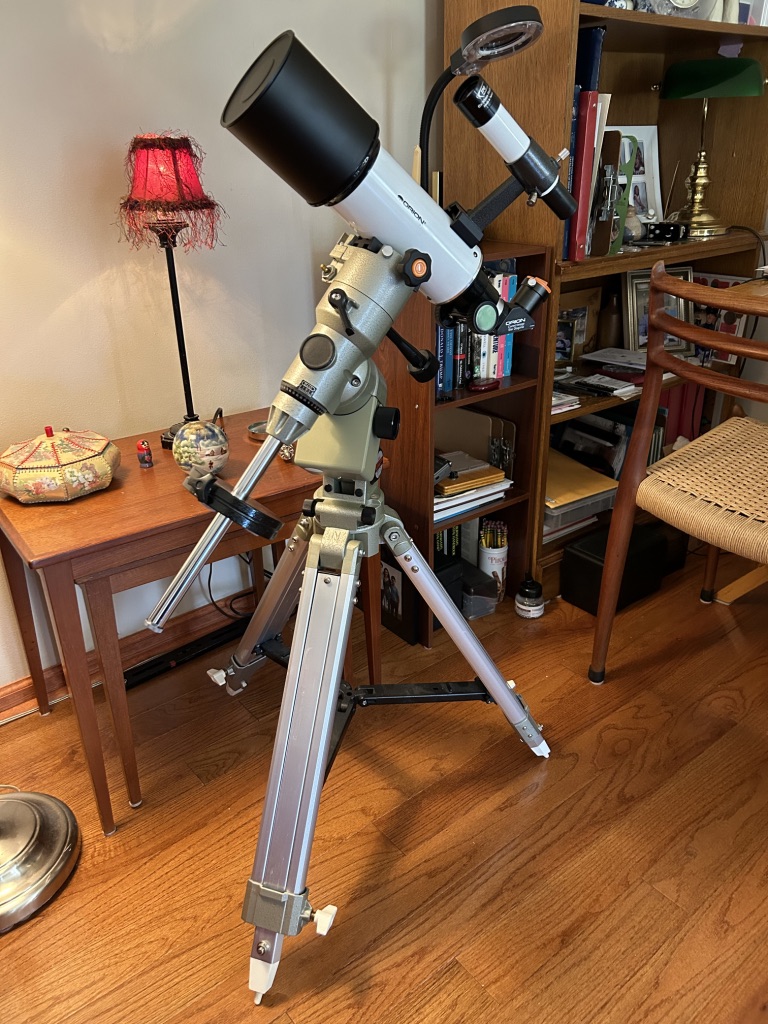
A nice combination as following with a GoTo mount, and with an 80 mm f/5 refractor piggybacked.


Galaxy IC 10 Cassiopeia: “The Invisible Galaxy” November 2023 Observer’s Challenge Report #178

Posted November 13, 2023 by rogerivester
Categories: Work File Only - Observer's Challenge Reports

So during the months of October and November 2023, three observing sessions and more than six-hours at the eyepiece, I was finally successful in seeing this galaxy.

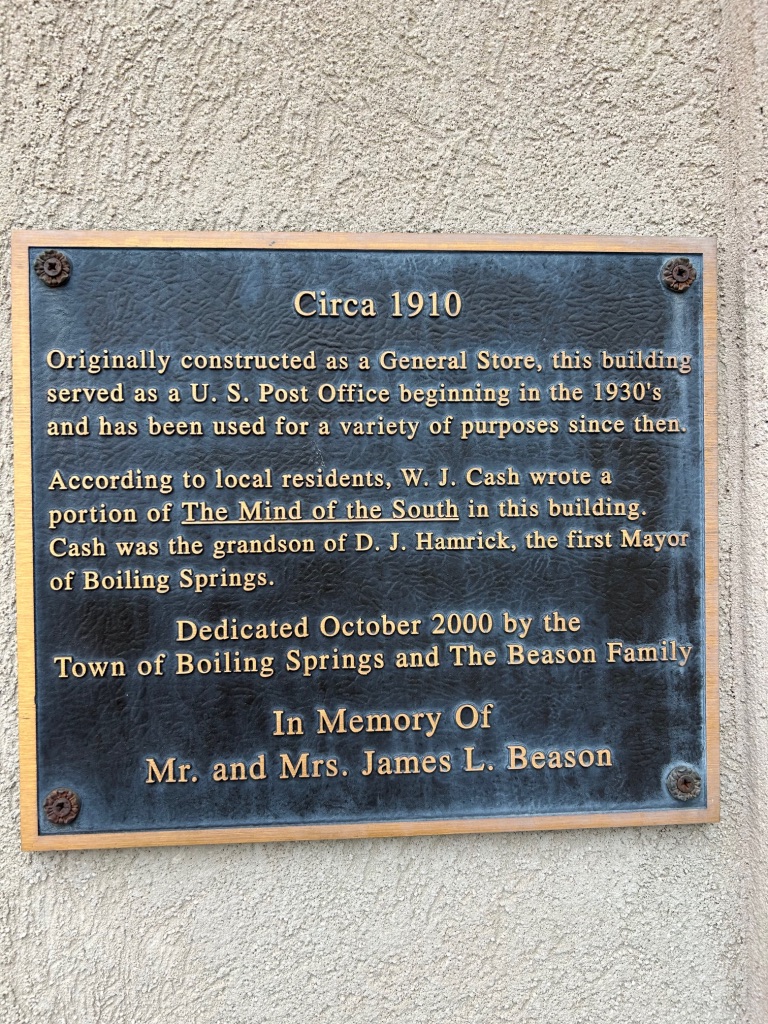
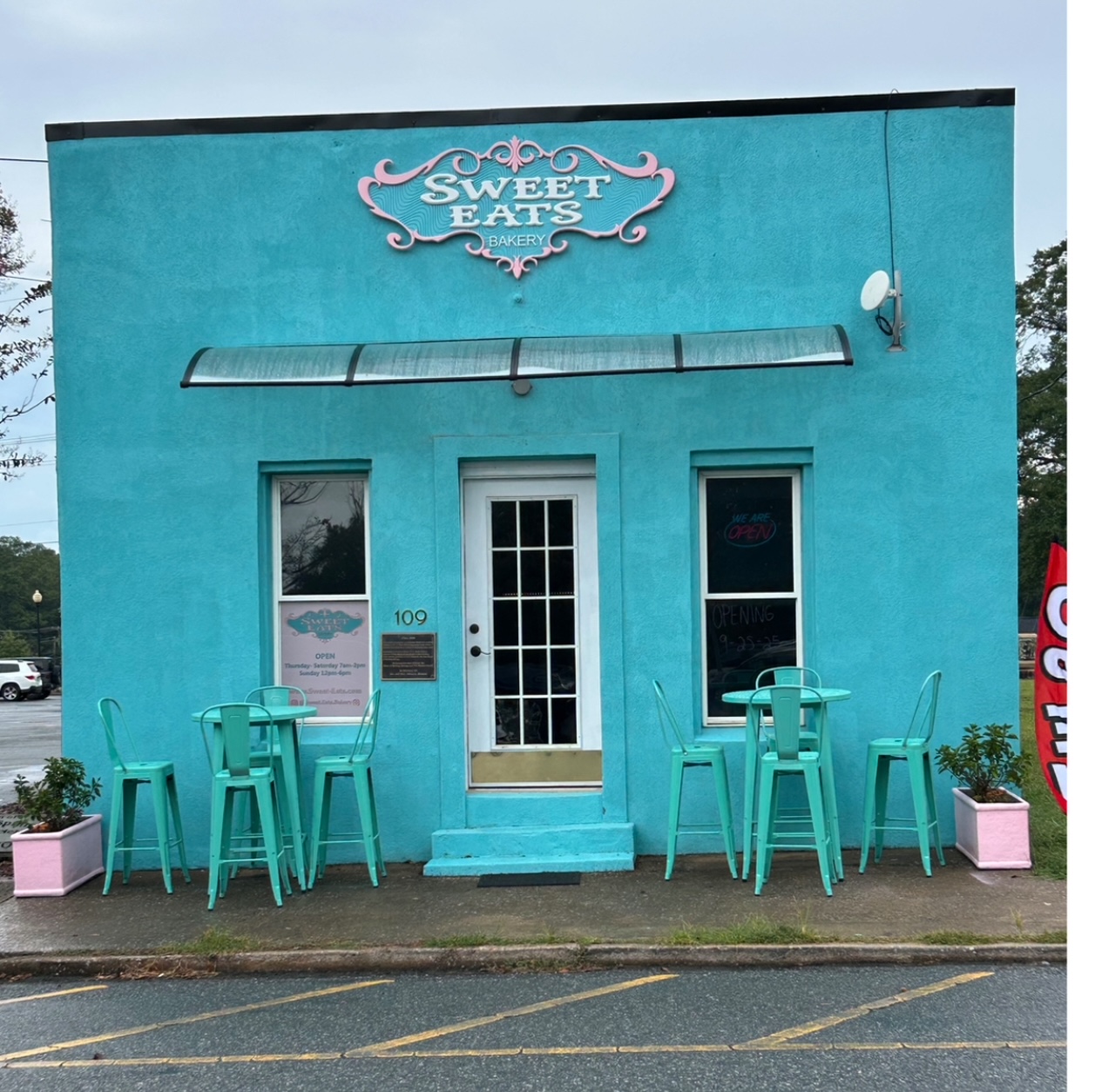
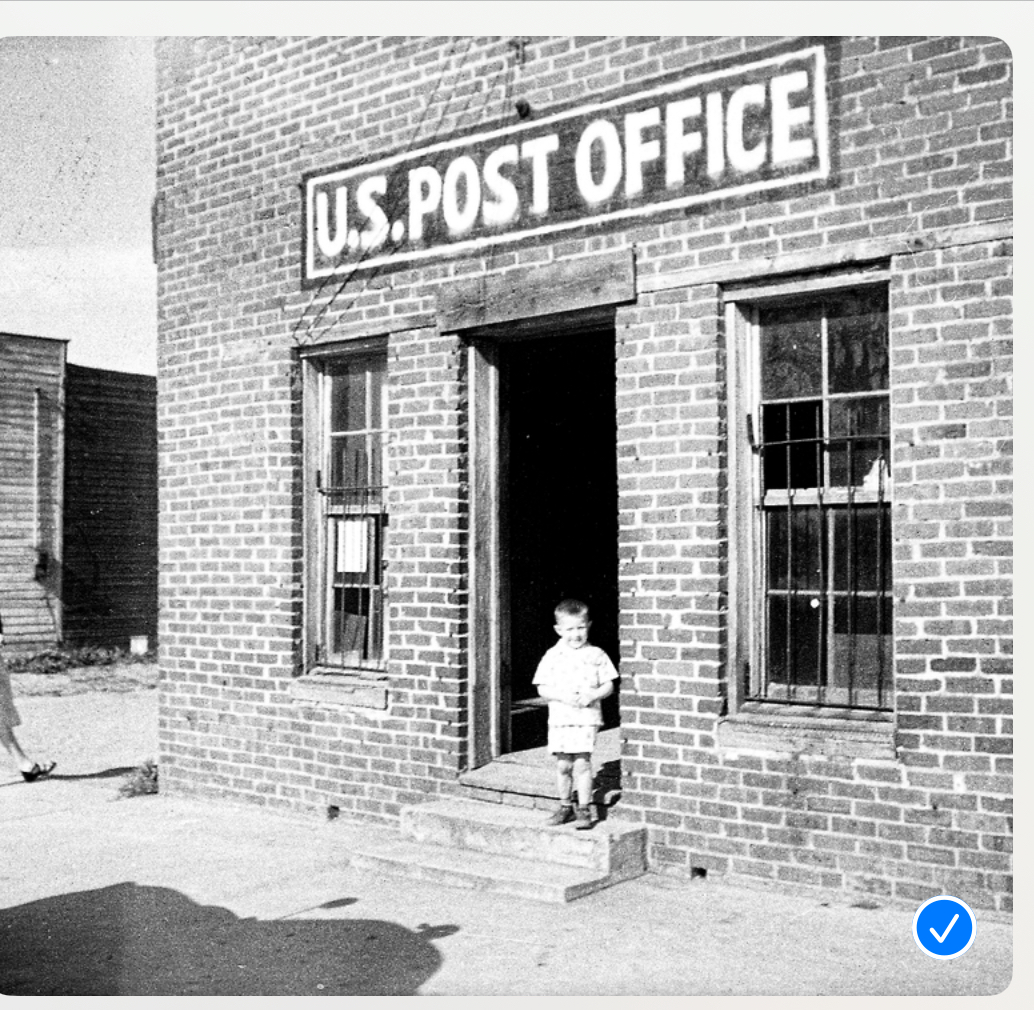
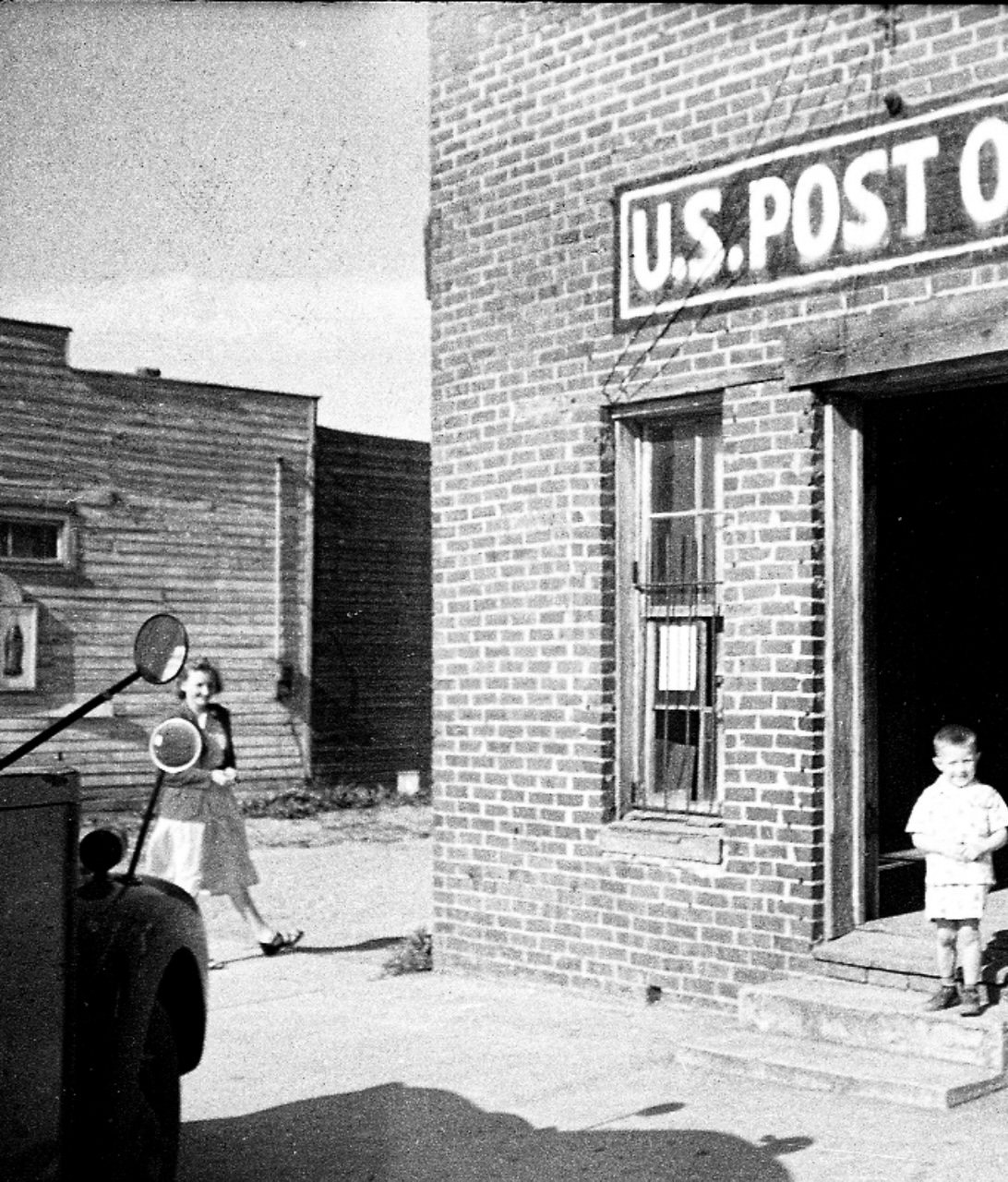
Historic Building In Boiling Springs: Beginning As General Store Circa 1910, Then As A Post Office In The 1930’s. A New Coffee And Bakery (Sweet Eats) Will Open Thursday September 25th 2025.

Posted November 11, 2023 by rogerivester
Categories: Roger's Articles

Early 50’s: Photo credit Tommy Greene
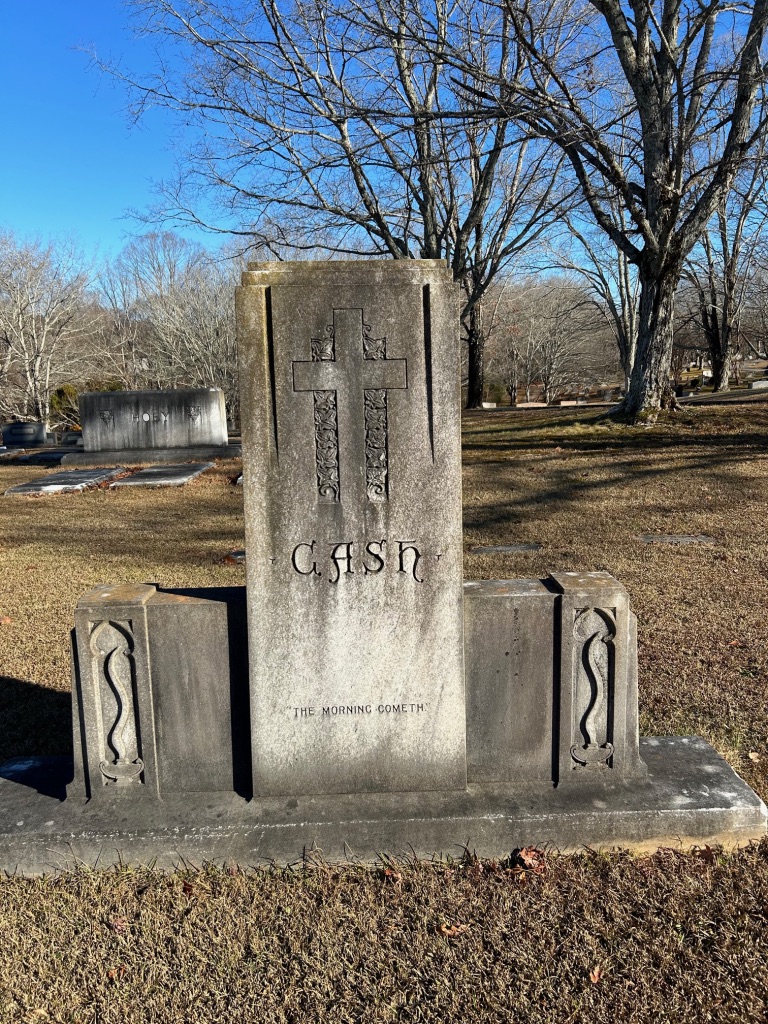
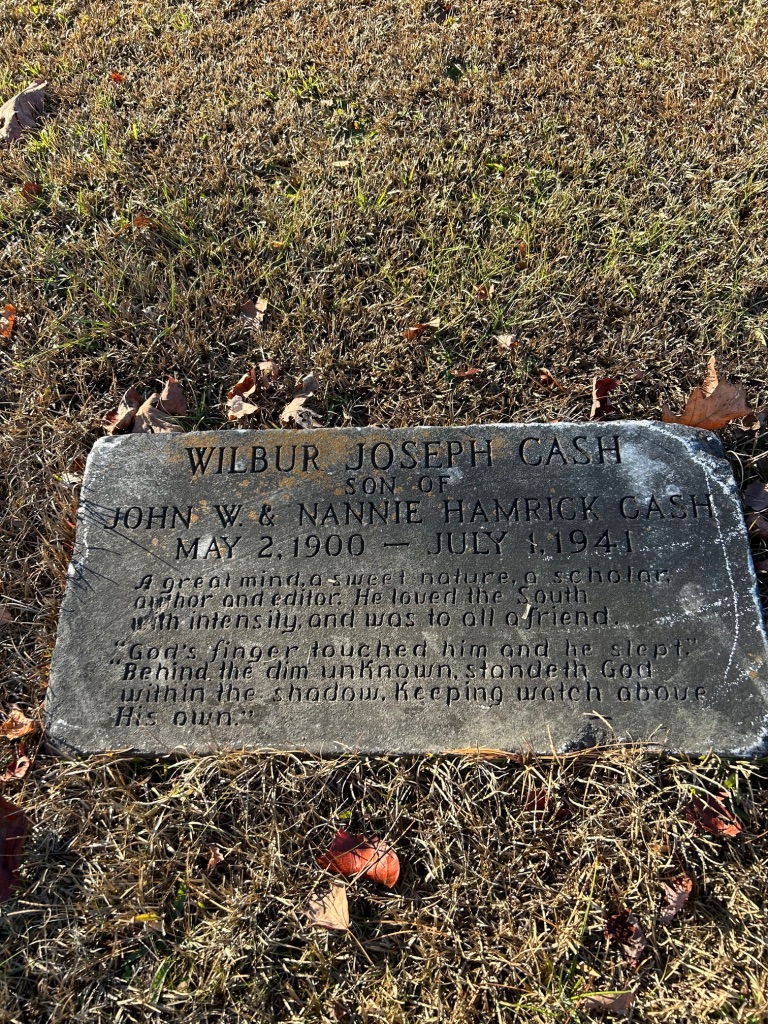
Wilbur Joseph “Jack” Cash (May 2, 1900 – July 1, 1941) was an American journalist known for writing The Mind of the South

Early life and education

Cash, known as “Jack” throughout his life, was born as “Joseph Wilbur Cash” – he later reversed the order of his given names, and normally used only the initials – and grew up in the mill village of Gaffney, South Carolina. He had three brothers and a sister, of whom he was the eldest. He was educated at the local public school until he was 12, when his family moved to Boiling Springs, North Carolina, 14 miles away across the state border – his mother’s home town – so that his father could become a partner with Cash’s maternal grandfather in a general store there.

…..In 1918 and 1919, at his father’s wish, Cash attended Wofford College, a Methodist school, but left because he objected to the school’s narrow provincialism. He then enrolled in Valparaiso University, a Lutheran college in Valparaiso, Indiana, dropping out around Christmas 1919. In 1920, again at his father’s urging, he entered the Baptist school Wake Forest College, despite it being what he considered to be a “preacher college.”[2]

In the summer, he worked at the hosiery mill at which his father was then the superintendent. Cash graduated in 1922 with an A.B., and then attended law school there for a year, before deciding not to pursue a legal career.[2] Cash later declared that he left law school because it “required too much mendacity.”

…..Cash taught English at Georgetown College in Georgetown, Kentucky, and at a high school in North Carolina, before experiencing a nervous collapse. Throughout his life, Cash suffered from manic depression or affective disorder, which manifested itself in breakdowns, periods of depression, fear of sexual impotency, and physical ailments such as not being able to swallow or choking when he spoke. He also suffered from a hyperthyroid condition, occasional alcoholism and excessive smoking. Cash usually referred to his condition as “neurasthenia“.[7]

From 1926 to 1928, Cash held several newspaper jobs: a year in Chicago writing for the now-defunct Chicago Evening Post; several months with The Charlotte News during which he wrote a wistful philosophical column titled “The Moving Row”; and a four-month stint during the fall of 1928 as the chief editor of a small semi-weekly newspaper, the Cleveland (County) Press, in Shelby, North Carolina.

…..Afterwards, Cash moved back into his parents’ house in Boiling Springs – where he lived with his extended family, including his two brothers and their pregnant wives. He contributed to H. L. Mencken‘s The American Mercury magazine, and received encouragement from Mencken. From 1929 to 1935, Cash wrote eight articles about various aspects of the South,[a] including one in October 1929 called “The Mind of the South”, which would become the basis for the later book.[b]

During the period of primary writing on The Mind of the South (1929 to 1937), Cash continued to live with his parents in Boiling Springs.[9] When his contributions to The American Mercury ended after Lawrence Spivak took over ownership of the magazine, Cash supported himself with freelance weekly book reviews to The Charlotte News from 1935 to 1939, for each of which he received a payment of $3, equivalent to about $60-$65 in 2023.

Cash’s seminal article, “The Mind of the South”, was published in The American Mercury in October

After Cash had some success at The Charlotte News, he finally had the personal and professional confidence he had previously lacked, and his work there helped him to develop his unique style of writing. He also met and fell in love with Mary Bagley Ross Northrup (later known as Mary Maury), a divorced woman who also wrote for the paper, and who helped him to complete the book through his periods of depression, and his continued focus on events in Europe. During this period, Cash would listen to the news on the radio about the Anschluss with Austria, the invasion of Poland, or the fall of France and would pace around the room, biting his nails, hands, and wrists, leaving marks. He would become so upset that he would leave the house and walk the streets at night.[14]

Finally, on July 27, 1940, the last pages of the manuscript were finished and sent to New York. Five months later, on Christmas Eve, Cash and Northrup were married by a justice of the peace in York, South Carolina.[11][2]

On February 10, 1941, The Mind of the South was published by Knopf. The book, an intuitive socio-historical exploration of Southern culture, received wide critical acclaim at the time and garnered for Cash praise from such sources as TimeThe New York Times, The Saturday Review of Literature, and most Southern newspapers of note, although criticism came from the Agrarian group out of Vanderbilt University in Nashville. Cash also received the thanks of Walter White, the director of the NAACP, for the book’s liberalism in regard to race and its exposure of the bigotry of the South.[15] Time said of The Mind of the South “Anything written about the South henceforth must start where [Cash] leaves off.”

Cash and his wife chose Mexico to spend their year on the Fellowship because it was cheap to live there, and they would have to watch every penny; they embarked on their trip to Mexico City on May 30 1941.[2] Cash had been invited by University of Texas president Homer Rainey to provide the main commencement address to the 1941 graduating class on June 2 in Austin, Texas.