I’m using the following AAVSO chart for variable star R CrB to check the NELM (naked-eye limiting magnitude) from my suburban backyard.
I can normally on average, see to magnitude 4.2, but on the morning of (April 17th 2026 @ 4:36 AM EDT) I could see the mag. 4.6 star with direct vision, fairly easy. It is possible with “maybe a bit of imagination” to see the mag. 5.0 star…winking in-and-out with averted vision.
To perform this test accurately, the constellation needs to be near, or as close to the meridian as possible.
When I moved into my current house more than 40 years ago, I could see to magnitude 5.5 most any night at the zenith, but no more. Most of this is due to increased light pollution, as my backyard skies are never really dark anymore, but mostly gray. And adding to the problem, my eyes and night vision are not as good as four decades ago either.
Can you see six starshat about eight?
I’m posting the latest photo first, and removing some of the earlier ones…
For identification of the primary eight stars and to determine the magnitudes, the (R CrB AAVSO chart) works best with the constellation stars outlined and with the magnitudes listed.
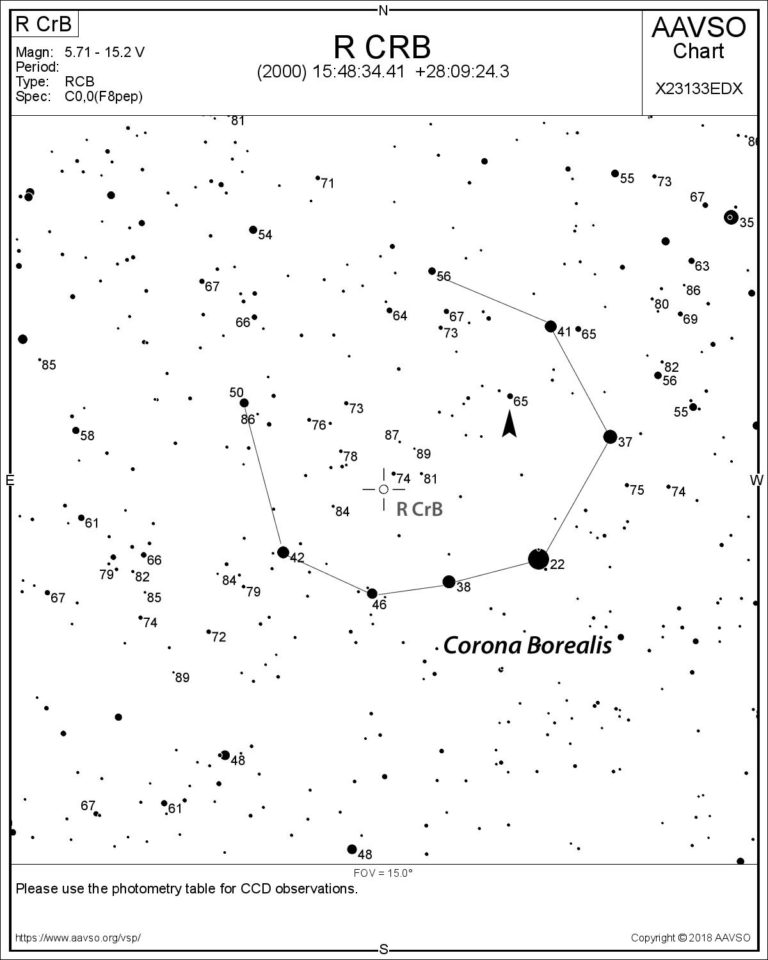
Corona Borealis is a beautiful constellation, but seemingly “unknown” by most amateurs these days. There are only two faint deep-sky objects listed in the constellation: Galaxies NGC 5958 and NGC 5961.
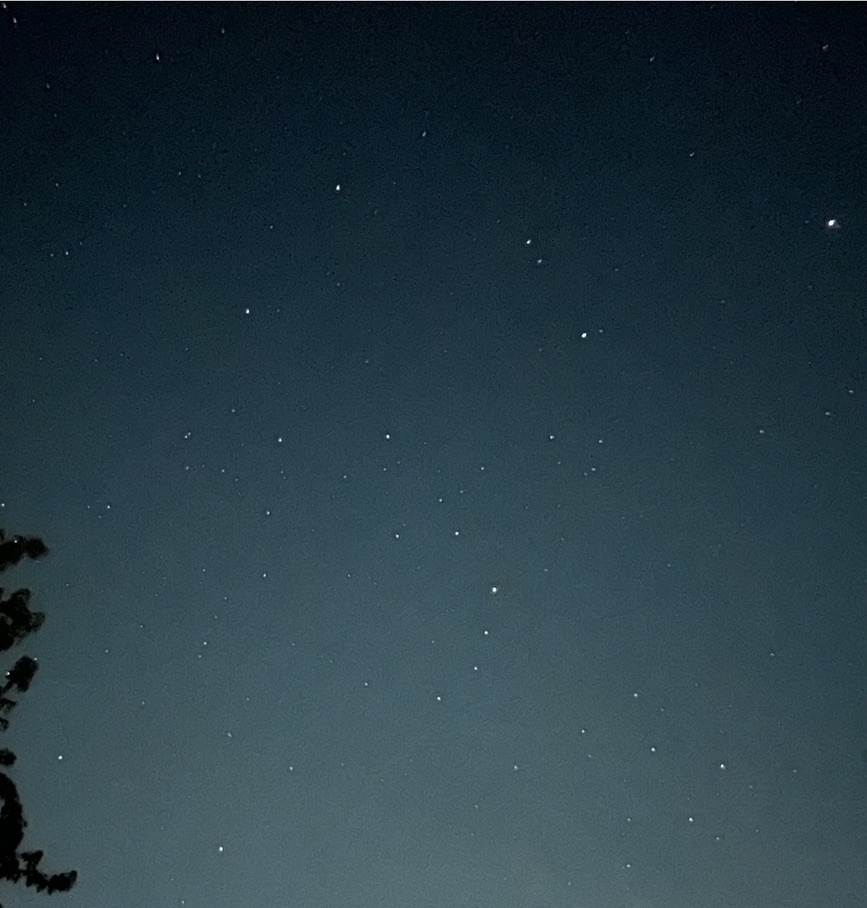
I’m using my cellphone camera to check T CrB on a regular basis since March 2025. The following photos are dated and with the time. I can easily see six (6) stars “visually” in the constellation from my Bortle 6.5 suburban backyard.
Friday June 12th 2026 @ 3:36 AM
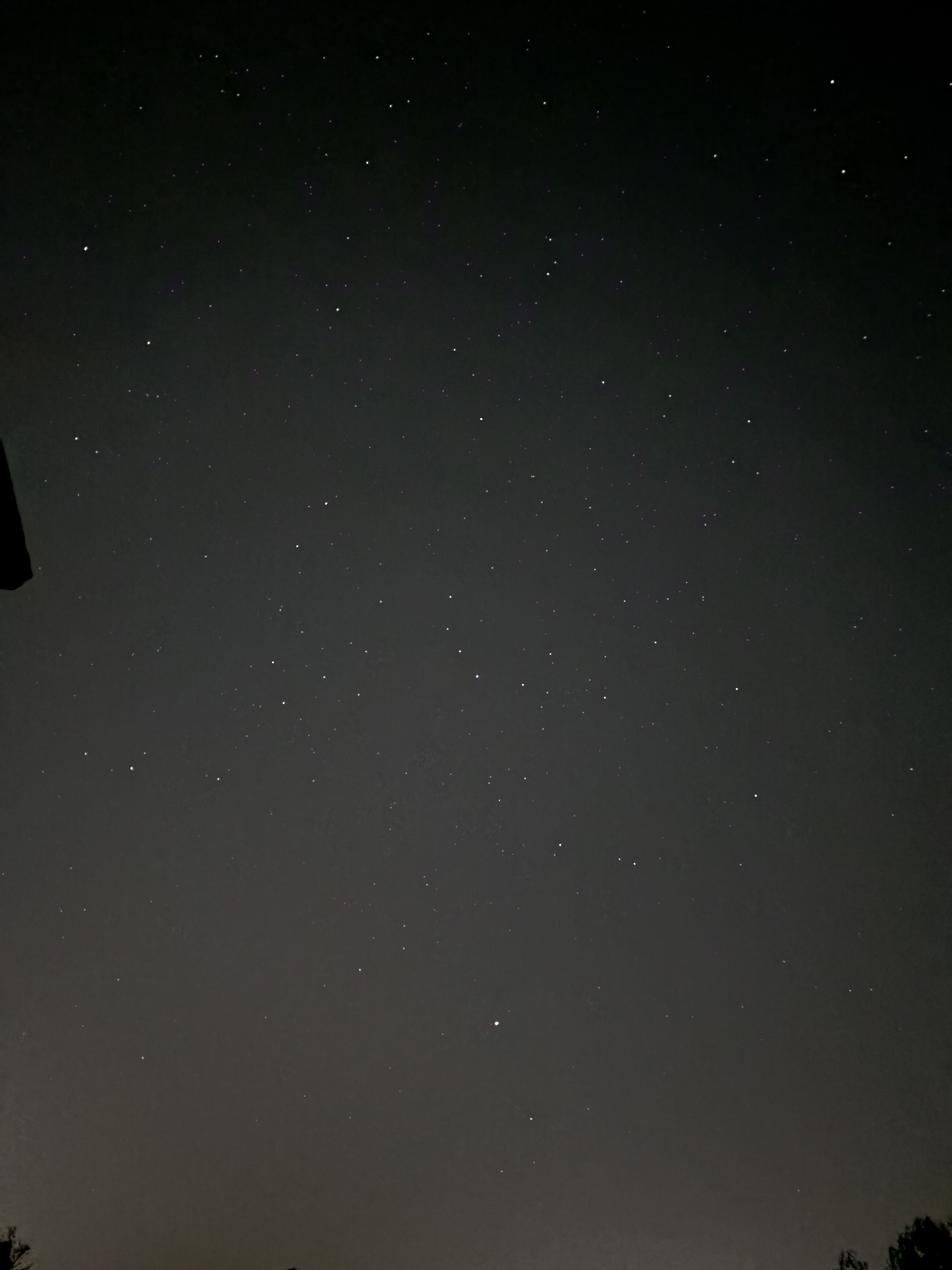
Thursday June 4th 2026 @ 10:31 PM
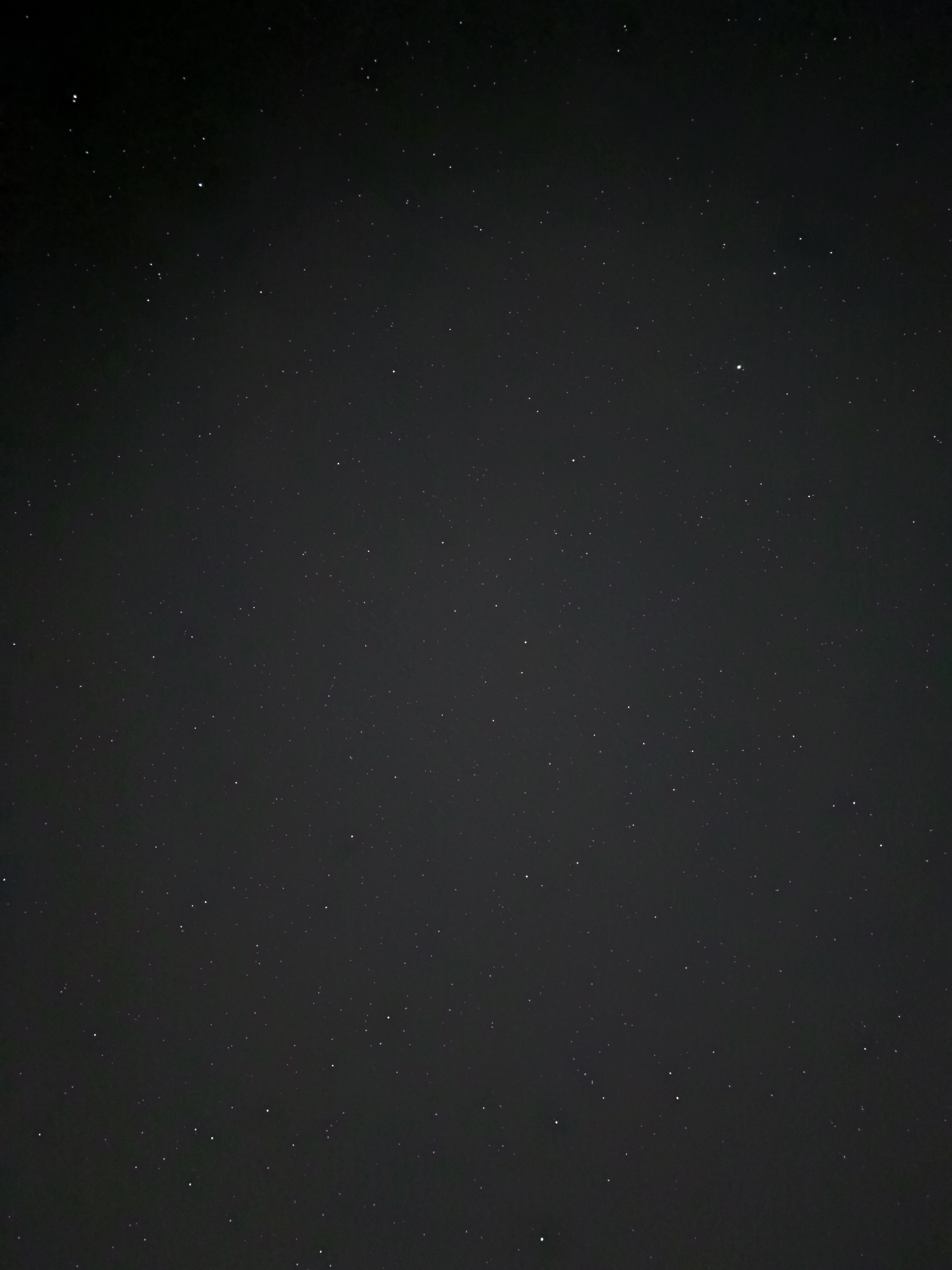
Tuesday May 19th 2026 @ 10:45 PM
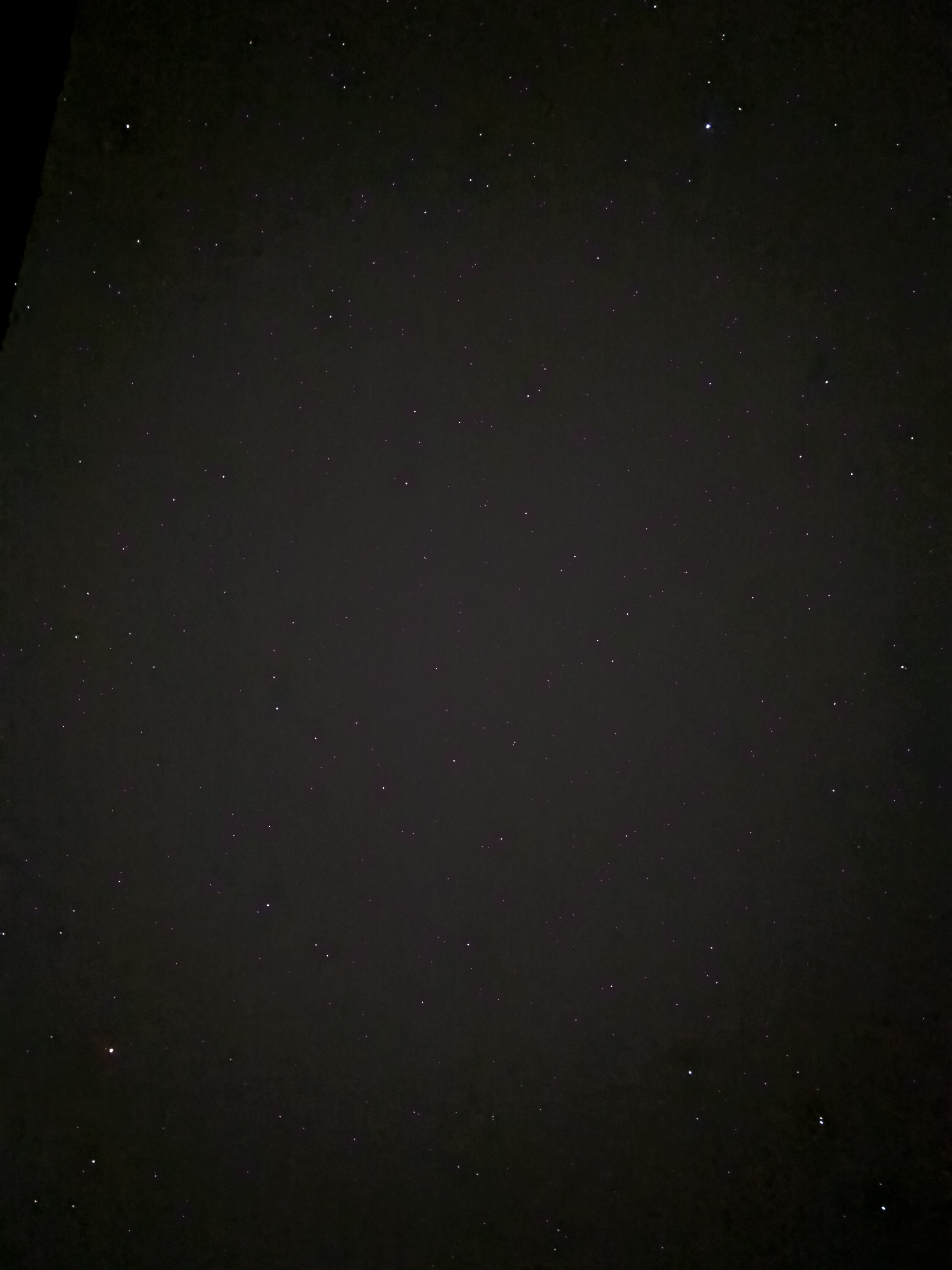
Monday May 11th 2026 @ 1:51 AM
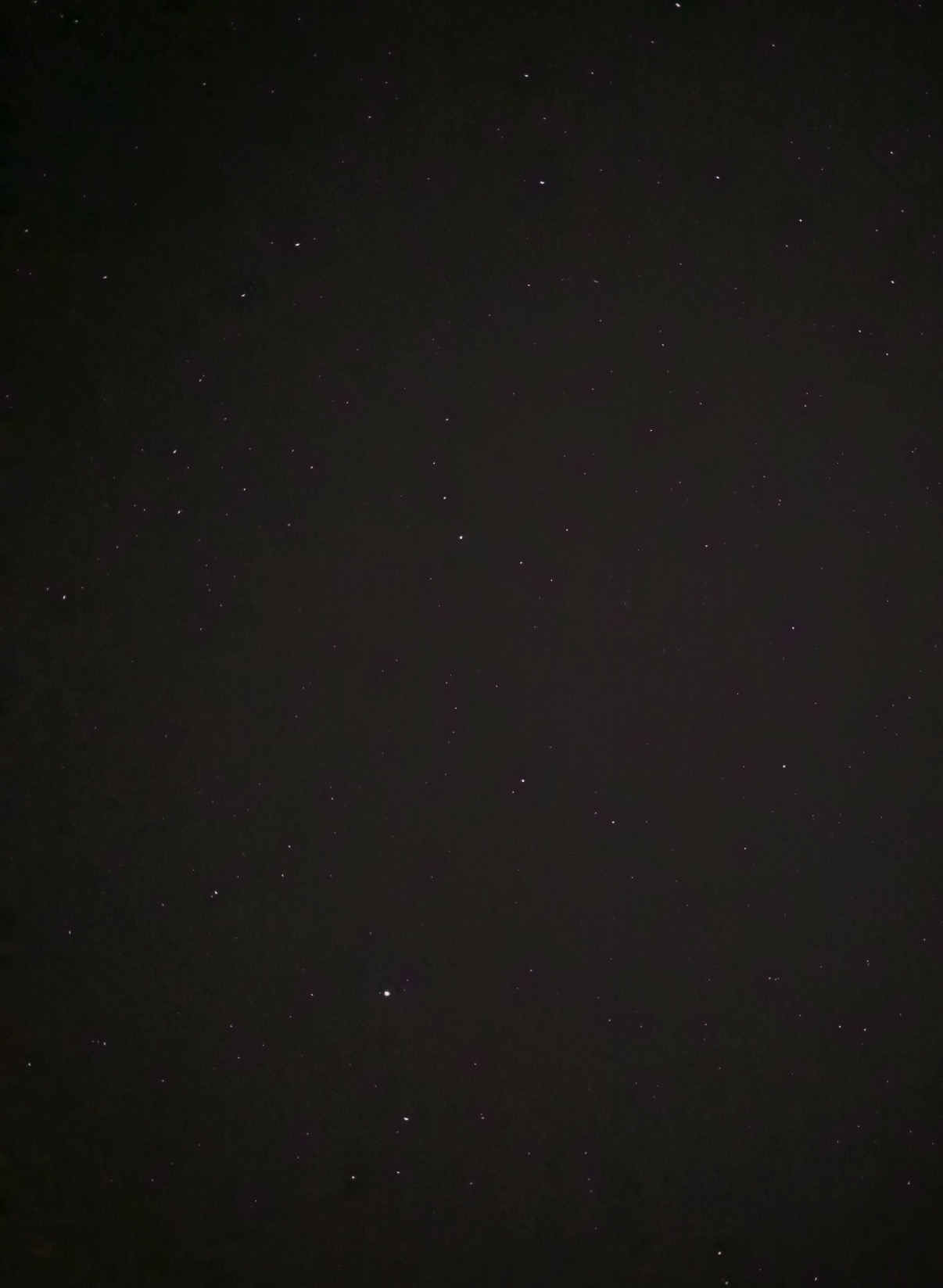
Friday April 24th 2026 @ 2:30 AM
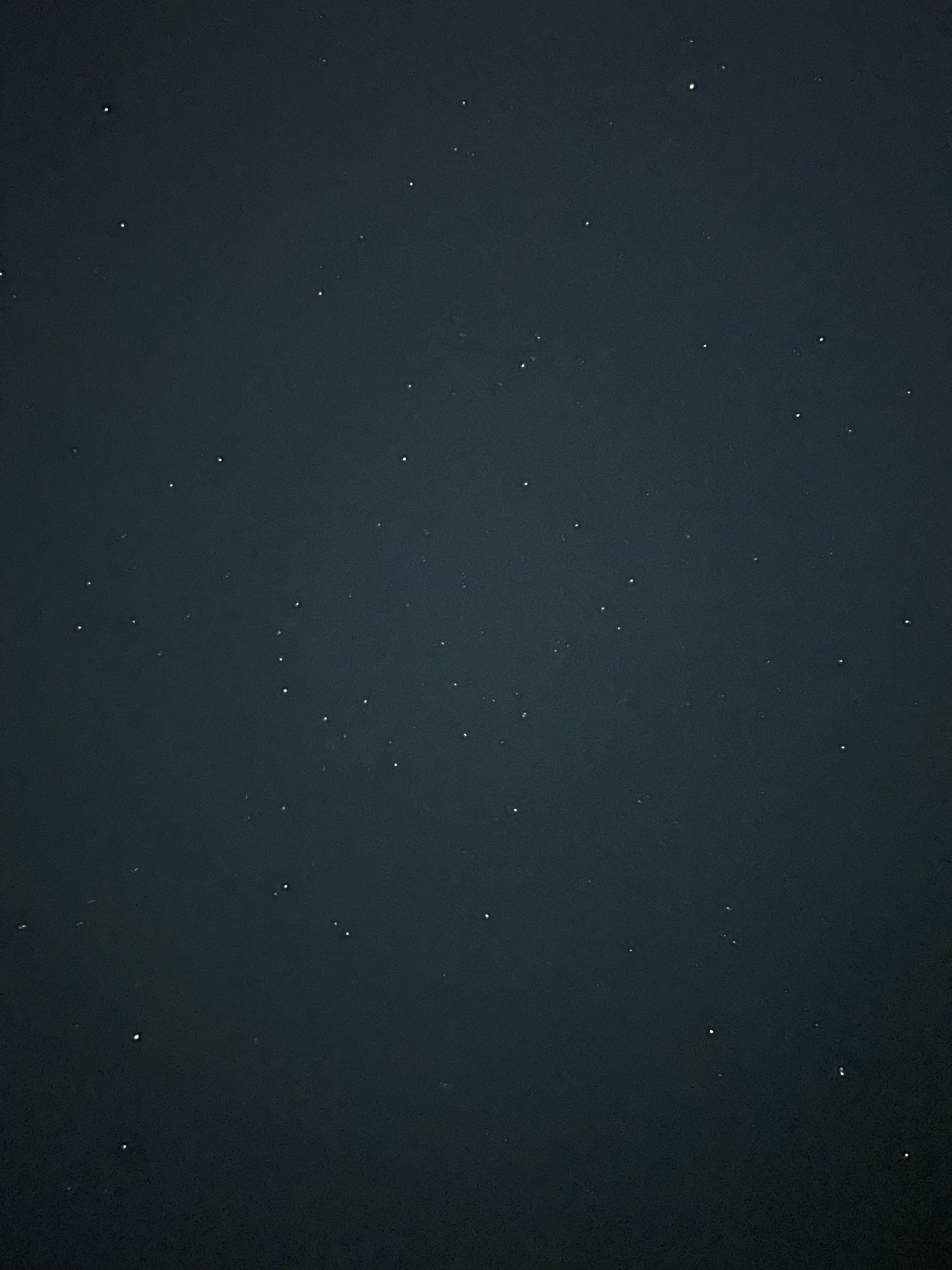
April 22nd 2026 @ 10:28 PM:
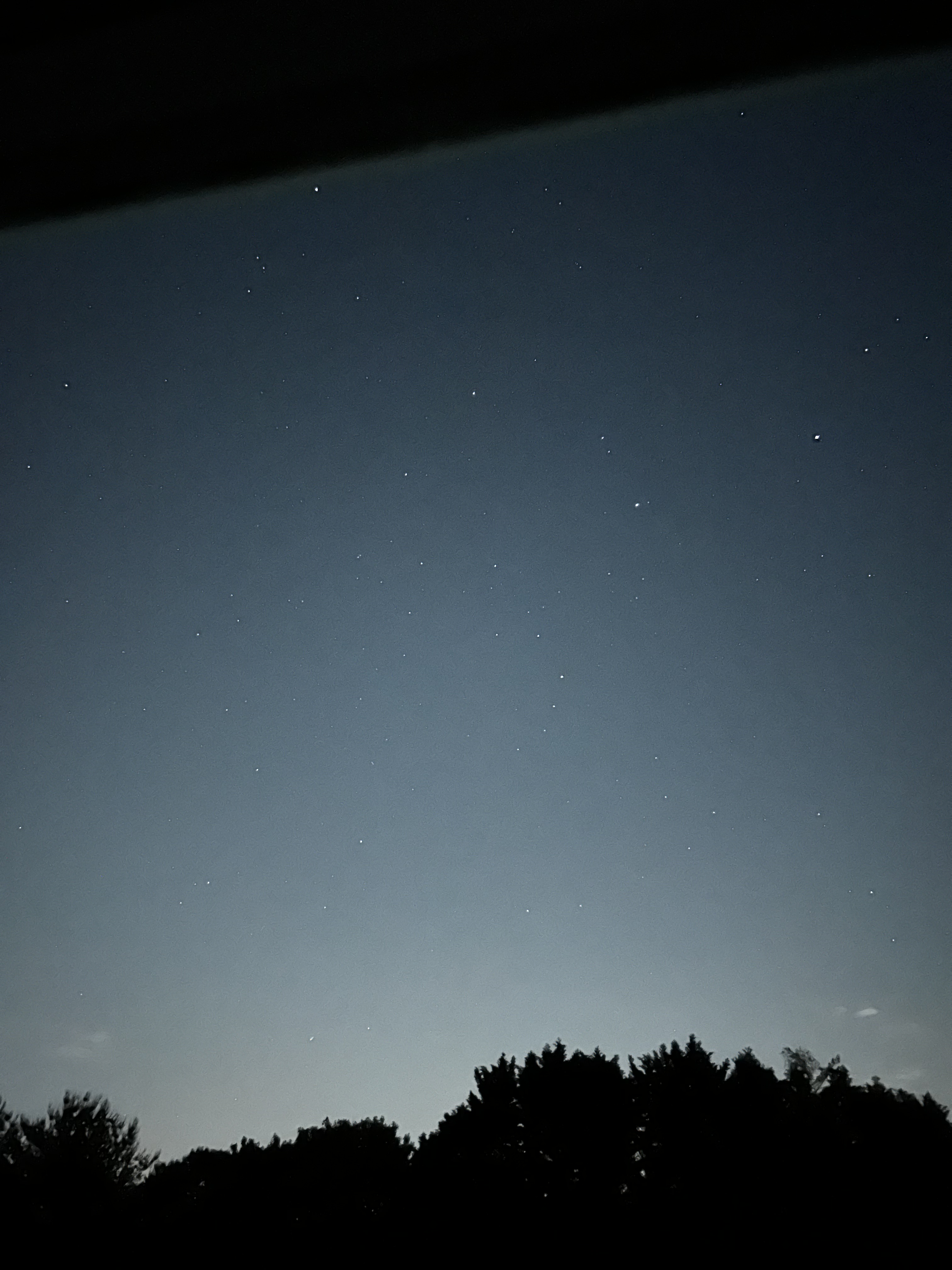
The following cellphone photo was from the morning of April 20th 2026) at 5:24 AM. Humidity 73%
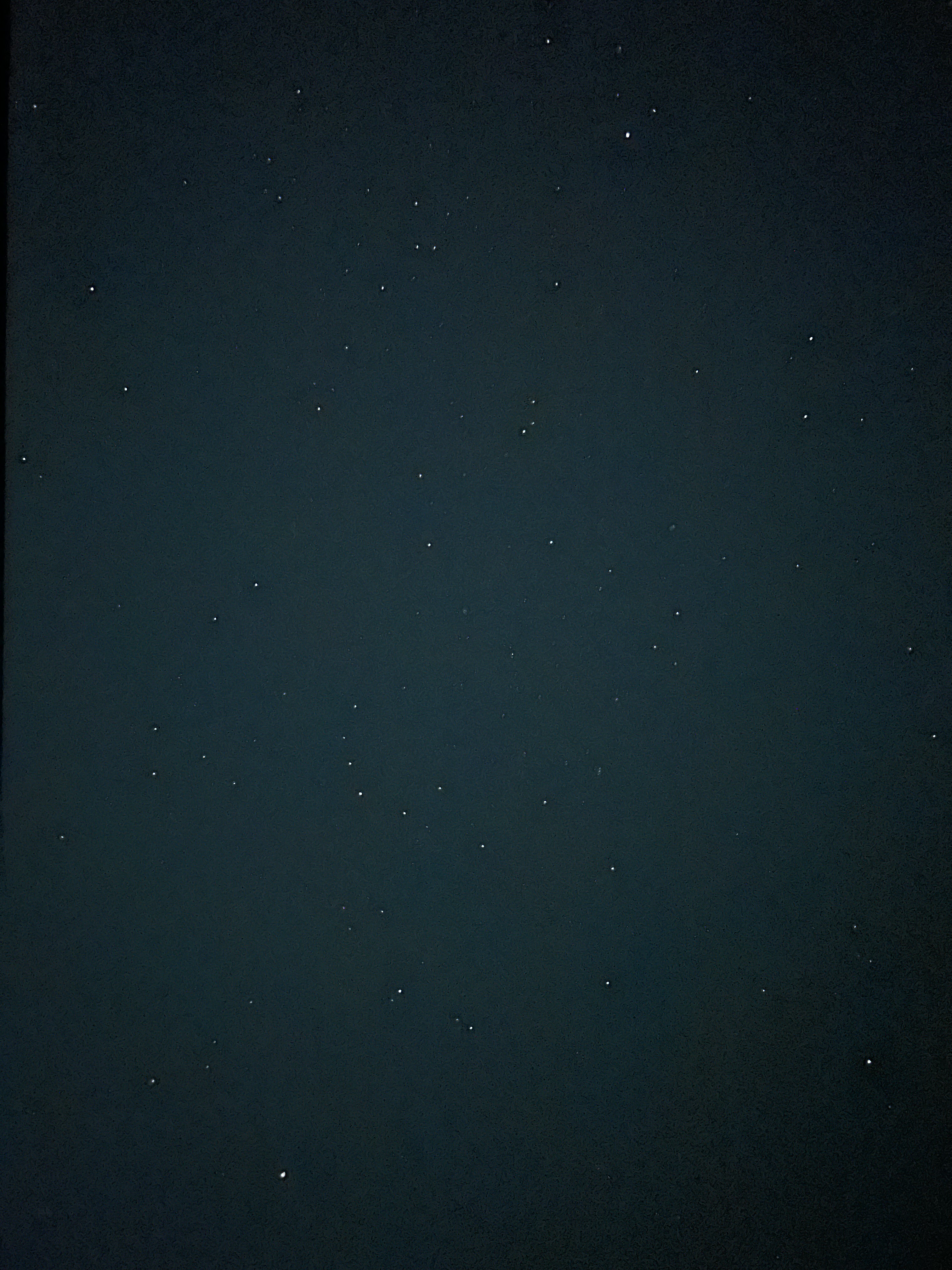
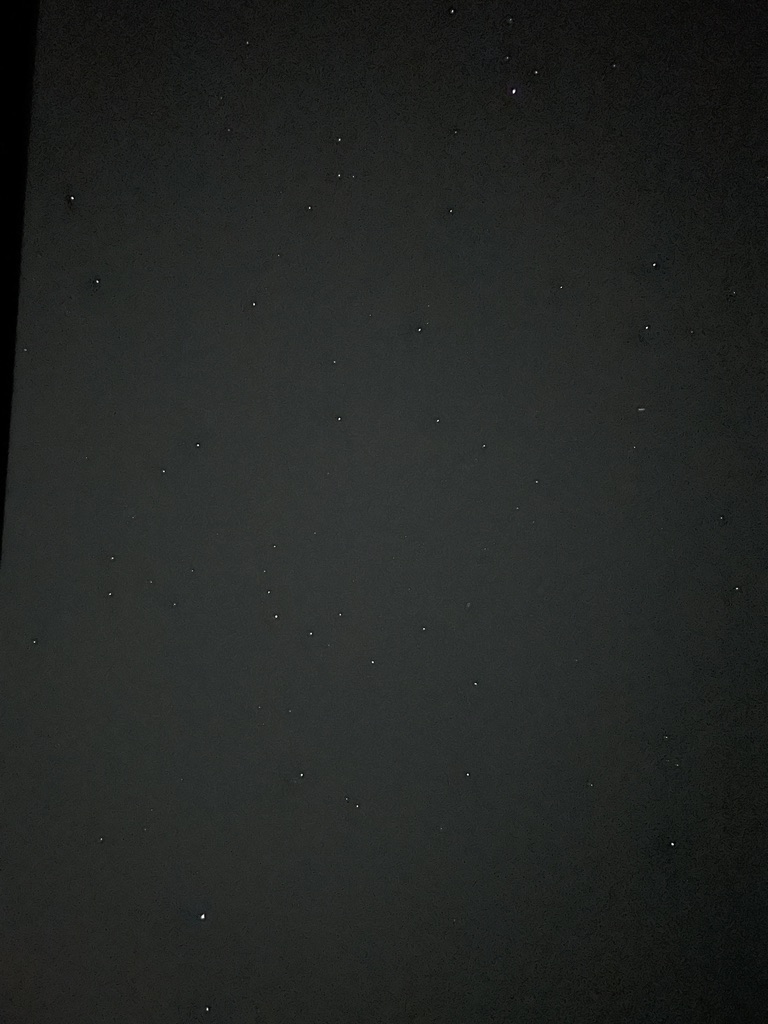
My first cellphone photo as following from May 1st 2025. I’ve made many others since, but no need to keep since recurrant nova star T continues to sleep.
 Telescope Observations And Life Events
Recent Comments