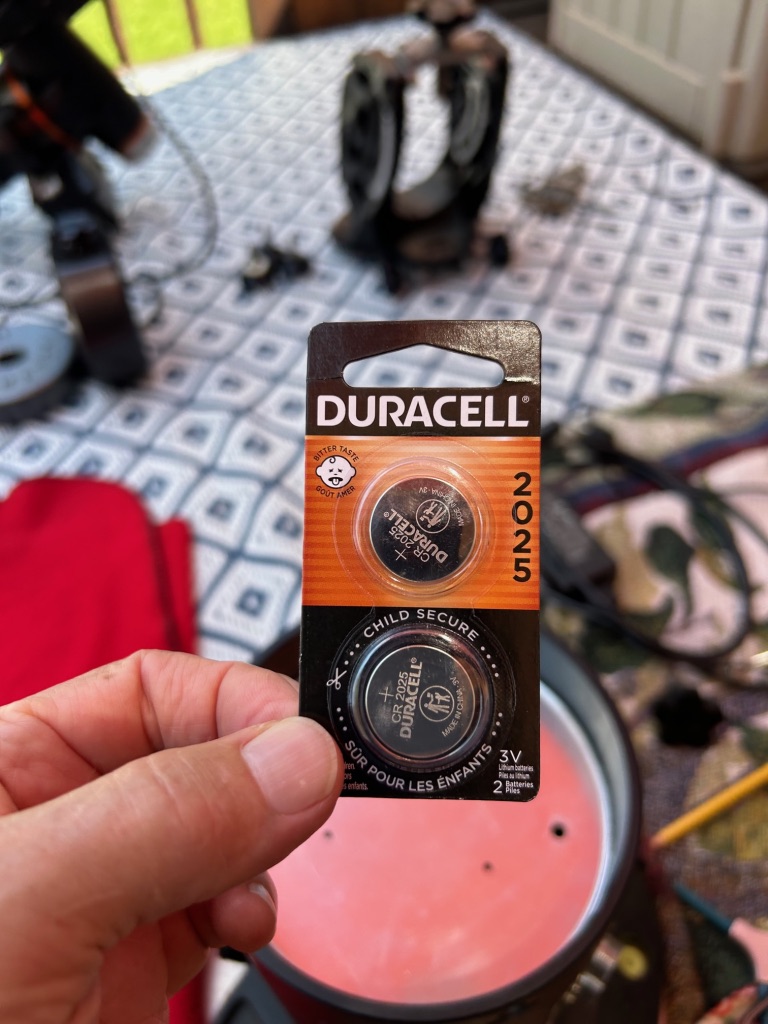
I’ve been having to reset the time or clock on my Celestron CGE-Pro equatorial mount before observing. I just recently found out from others, there is a CR2025 battery that requires changing from time to time.
Celestron calls for a CR2025 as a replacement battery.
Re: Replacing the internal battery in a Celestron CGE-Pro Equartorial Mountfrom Celestron online, as following:
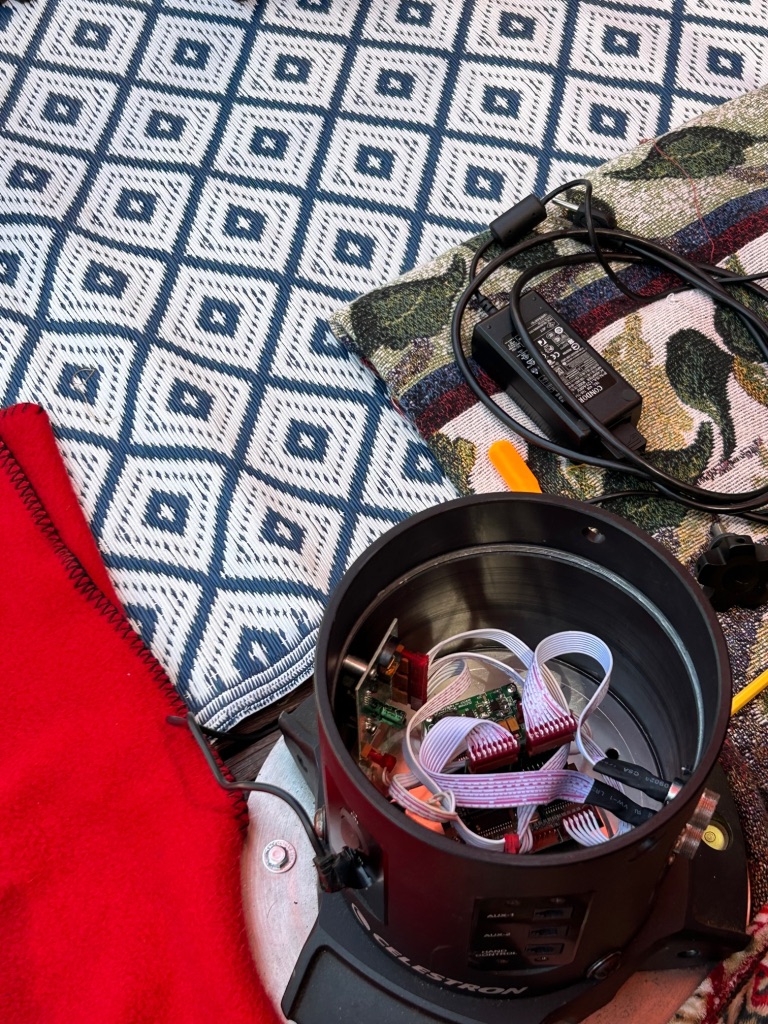
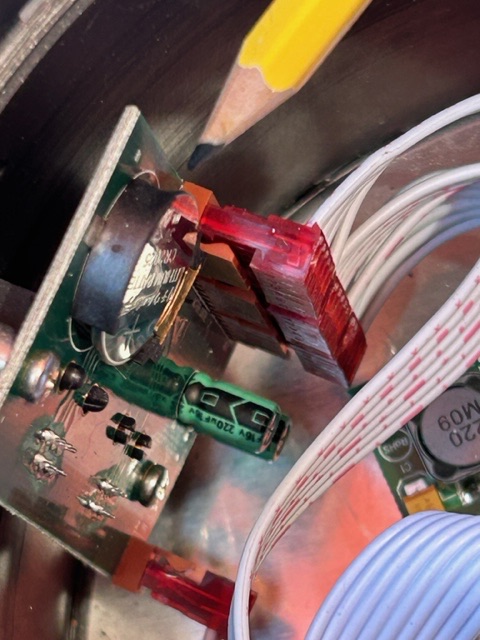
The battery is located under a clip on the PC > Autoguide > Power Cord board inside the pier. Replace with a 3-volt CR2025, available at many drug, photo, and hardware stores.
It’s actually a fairly straight forward process, but “can be” time consuming.
There are a lot of electronics surrounding this battery…so you don’t want to damage your mount electronics due to an inexpensive leaking battery.
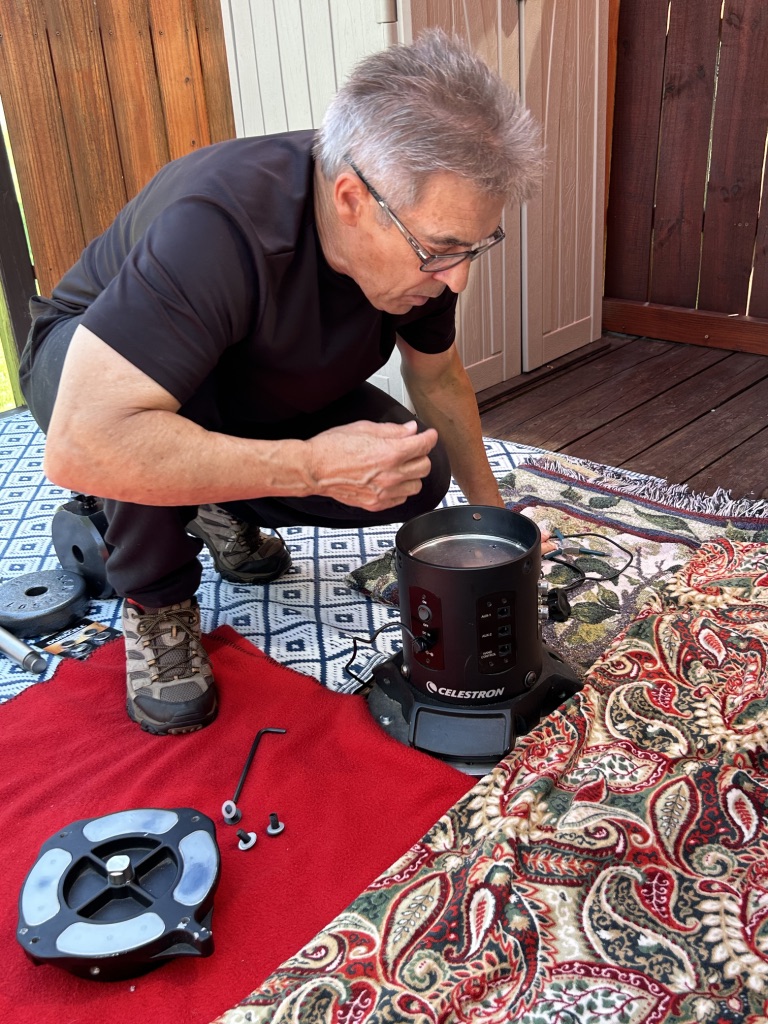
The bolts that hold this top cap are Allen heads requiring a 5.5 mm wrench.Seldom do I find any application, involving telescopes, high-end precision bicycles or other that require half sizes, but this is no problem.
The following plate was a bit difficult to remove. It was “stuck” and required attempting with several techniques before finally getting it out.It had drops of silicon in several places along the edge, which had to be removed and cleared before removing the aluminum plate.
I found that using Allen wrenches “to hook under the two larger holes” in conjunction, and then pulling upwas successful.
Use care as not to damage the plate, or some of the ribbon wires, located just underneath the plate.
When installing the new battery, I used “nitrile powder-free gloves” to avoid getting finger oil or grease on the battery.
Remove the old battery, insert the new one, and then reassemble the mount, connect the Dec and RA cables and you’re all finished.
However, everything related to time and dates will have to be changed via the hand controller.
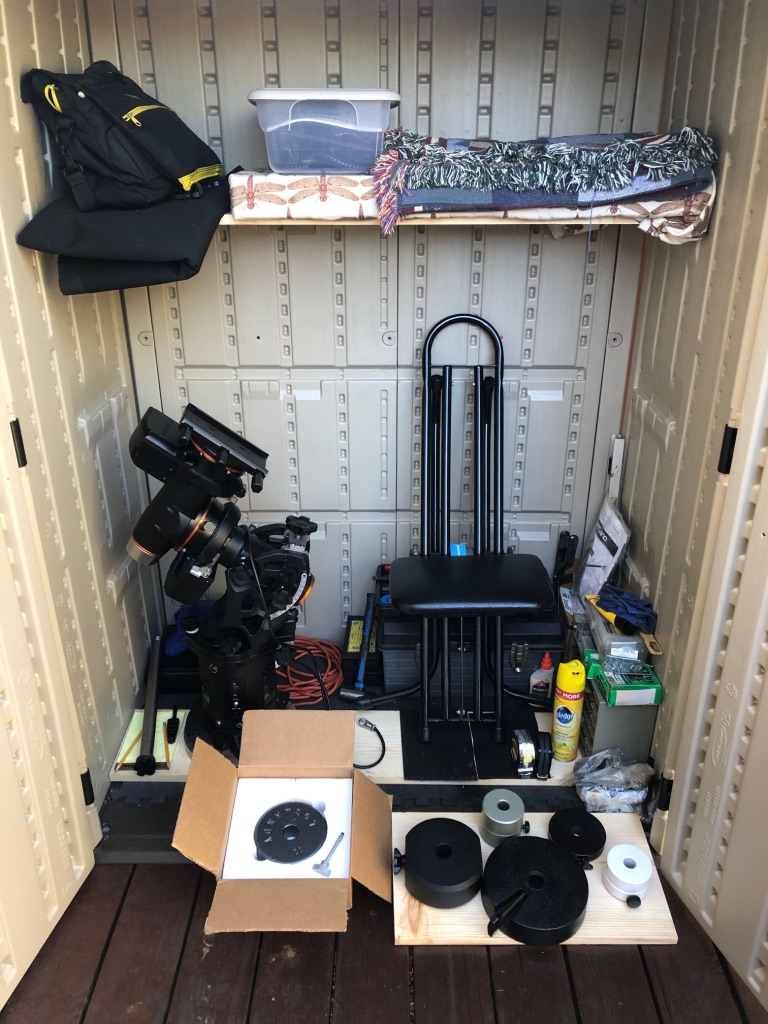
Storage:
I had set the clock, and checked all other specifications during this afternoon. However, last night when performing the alignment process, the mount couldn’t even find Vega, just overhead. And could not perform any two or three star alignment.
So finally, after at least an hour of frustration…I did a “complete factory reset” and reentered all necessary information which resolved the problem.
Note: After the battery change, the time is perfect, each and every time.
The story how a very small mountain town in western North Carolina became very important to the world of professional astronomy, with it’s contribution to the making of the first 200-inch Palomar Telescope Mirror. And most importantly, as of current all electronic devices use chips made from the ultra-pure quartz from Spruce Pine. Roger Ivester
I’m posting the following “brief excerpt” from a published article by David Biddix of Spruce Pine:
Description: Spruce Pine, North Carolina, a small town in the western part of the state, has a storied history related to astronomy instruments. The Spruce Pine Mining District, a geographical area that features significant deposits of mica, feldspar, and quartz, has played a significant role in astronomy for the past 80 years. The mirror in the 200 inch Hale Telescope at Palomar Mountain is made from quartz mined in the District in the 1930s. Today, all electronic devices including computers, televisions, cell phones, mp3 players, and other gadgets owe their existence to ultra-pure quartz mined near Spruce Pine. In this podcast, you’ll learn how this down-to-earth small town helps astronomers reach for the stars.
Bios: David Biddix is a local historian who has published two books in Arcadia Publishing’s Images of America series with co-author Chris Hollifield: one on Spruce Pine, North Carolina and one on Little Switzerland, North Carolina. He was born and currently lives in Spruce Pine. David’s interests include amateur radio, astronomy, and history.
Alex Glover…is the Director of Mining and Environment for Active Minerals International, LLC. He is a licensed professional geologist in nine southeastern states in the United States and has lived in the Spruce Pine area since 1997. He is interested both in the geology of the Spruce Pine Mining District and in its history, which goes back some 170 years.
….I’ve always wondered why ore from the Chestnut Flats Mine near Spruce Pine was chosen for the telescope’s mirror. Recently, I had a discussion with Alex Glover, a local geologist and mining historian who is very familiar with what is known as the Spruce Pine Mining District, a 10 mile-long, 5 mile-wide outcropping of rock from early in earth’s history that contains some of the purest minerals in the world and is the economic lifeblood of this region. This purity was the reason Corning Glass came to this region to find materials for the mirror. Alex speaks about what types of minerals are found in the district….
David Biddix: Spruce Pine, North Carolina
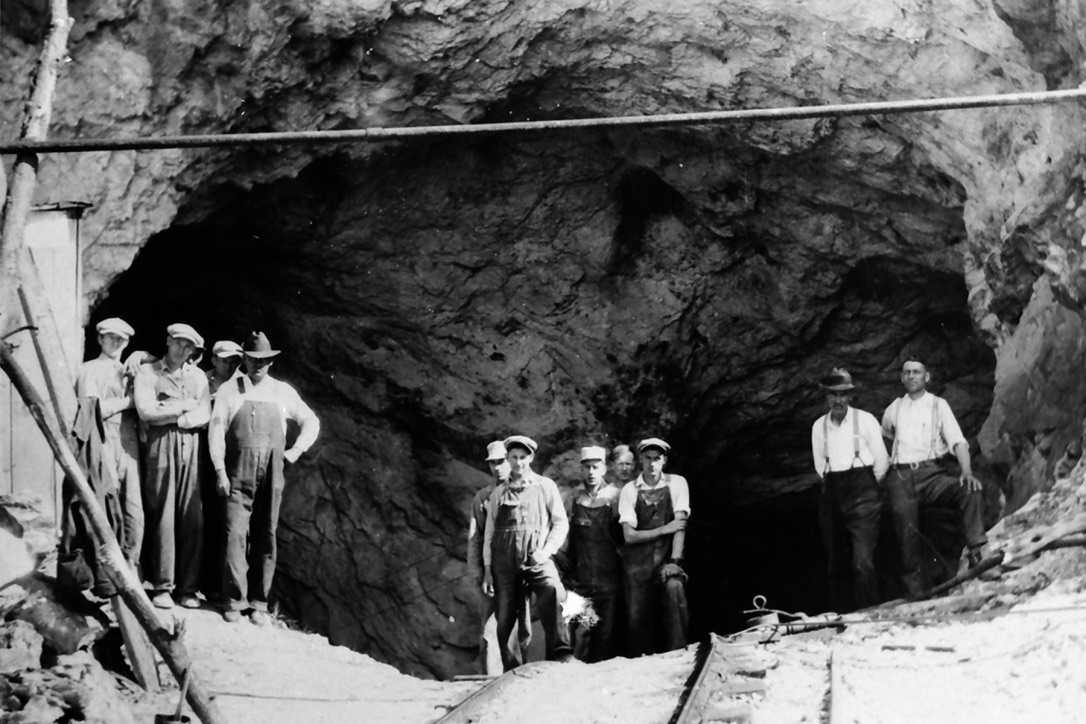
Note: The following photo of the (Chestnut Flats Mine) where the quartz for the 200-inch Palomar mirror was mined, is now closed and privately owned. Roger Ivester
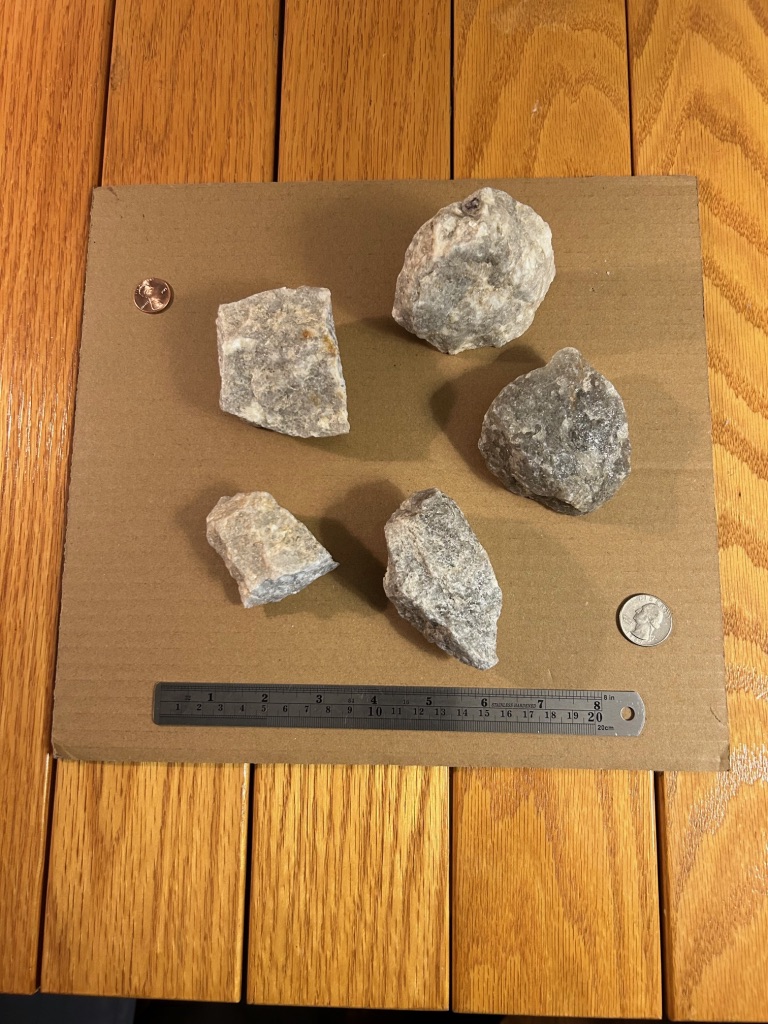
My personal quartz specimens as following from the Spruce Pine mining district:
Historic photo of the mine from days past. Photo credit: Mitchell County Historical Society
Comments:Comments Off on Spruce Pine, North Carolina: The Purist Quartz In The Entire World Comes From Spruce Pine And Used In The First 200-Inch Hale Telescope Mirror
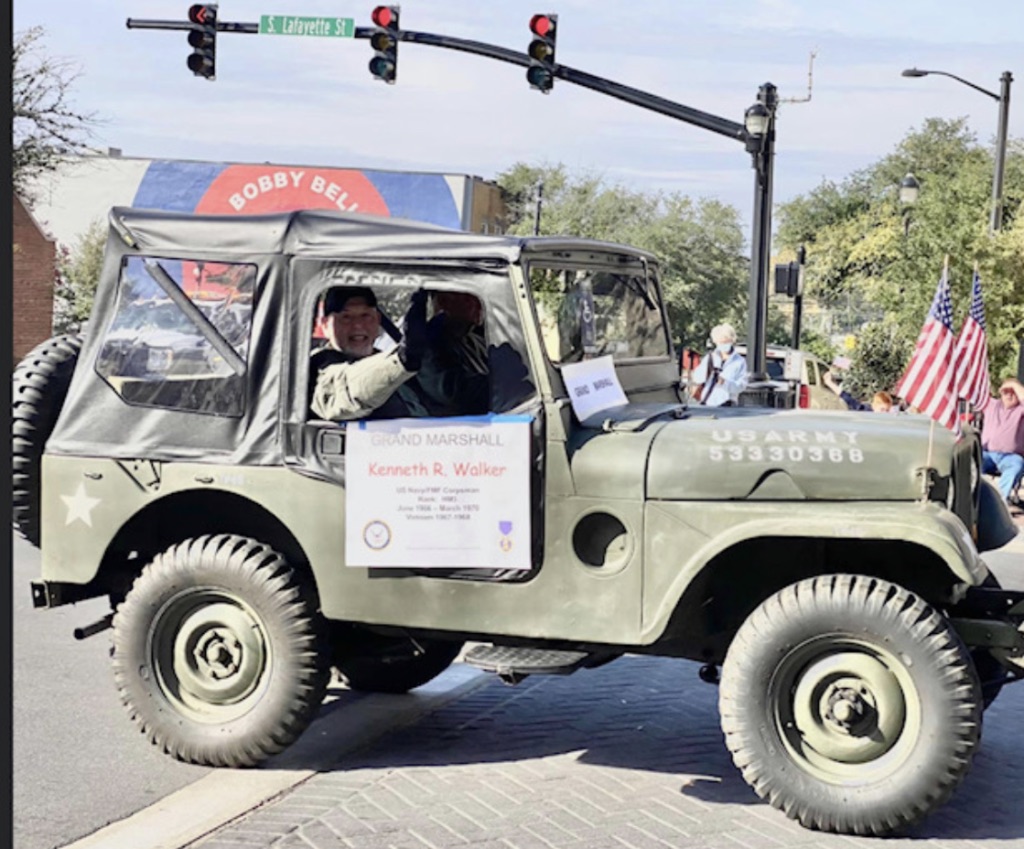
Kenneth was one of the most talented people I have ever known. He previously worked at the hospital as a pulmonary technologist, former music shop owner, a master carpenter and was a perfectionist in everything he did.
Ken could play musical instruments and write songs. He was a combat veteran in Vietnam, a battlefield medic…surviving explosions, bombs and bullets. He never told me what wounds he attended to, but I figured if he wanted me to know, he would have told me.
He will be missed by his family and all of his friends, and I’m so fortunate and privileged to have been able to call Ken, my friend.
We spent many Sunday’s in church together and afterwards shared lunch at KFC/Taco Bell, Ken & Mary’s, or Shelby Cafe with his wife, Bonnie and my wife, Debbie.
I’m also including a YouTube video of the Battle of Cam Lo, by Ken to honor Larry Maxam who was killed during this battle.
Kenneth wrote and sings the songin the following video.
Beginning in (2022) my oldest grandson, needed a project to show the movement of the sun over a period of time….if possible an entire year. However, despite living more than 200 plus miles apart, we both made similar “solar devices” to measure the suns shadow, beginning on the Vernal Equinox (March 20th 2022) and beyond.
The following photo:
The yellow tape mark on the right side of the scale shows the sun shadow on the 2022 Spring Equinox. (This was my first measurement)
The white tape was placed on the first day of summer (June 20th 2022) which shows the longest day of the year. Note: the sun is not directly overhead using this method, as the shadow indicates.
The blue mark was placed on the scale, on the shortest day of the year, December 21st 2022, which is the longest shadow of the year for 2022.
A second way to measure the suns shadow, by Tom English.
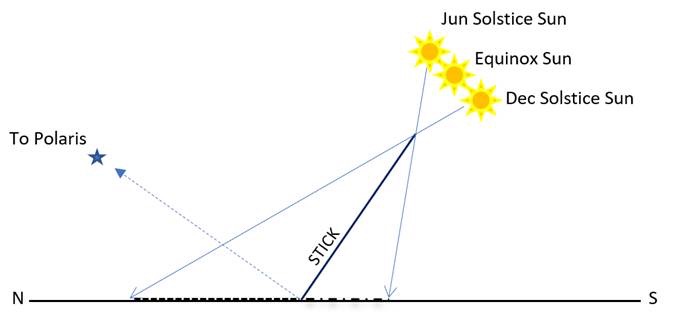
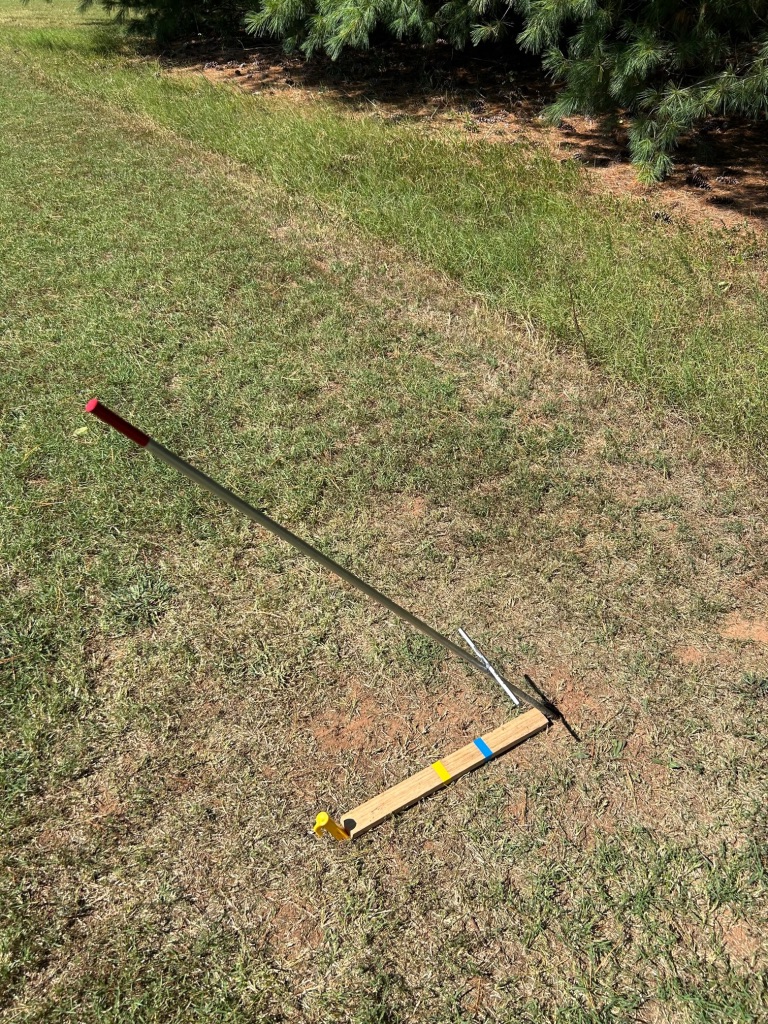
I thought of a variation that I might try someday: Put a straight pole into the ground, facing due south, and at an angle of 54 degrees (for you it would be 55 degrees)
Then on the two equinoxes it would cast no shadow at local noon.
On the June solstice the shadow will cast its greatest extent southward, and on the December solstice the shadow will cast at greatest extent northward of the stick.
Roger Ivester
My latitude is 35º 15′
(90º – 35º) = 55º
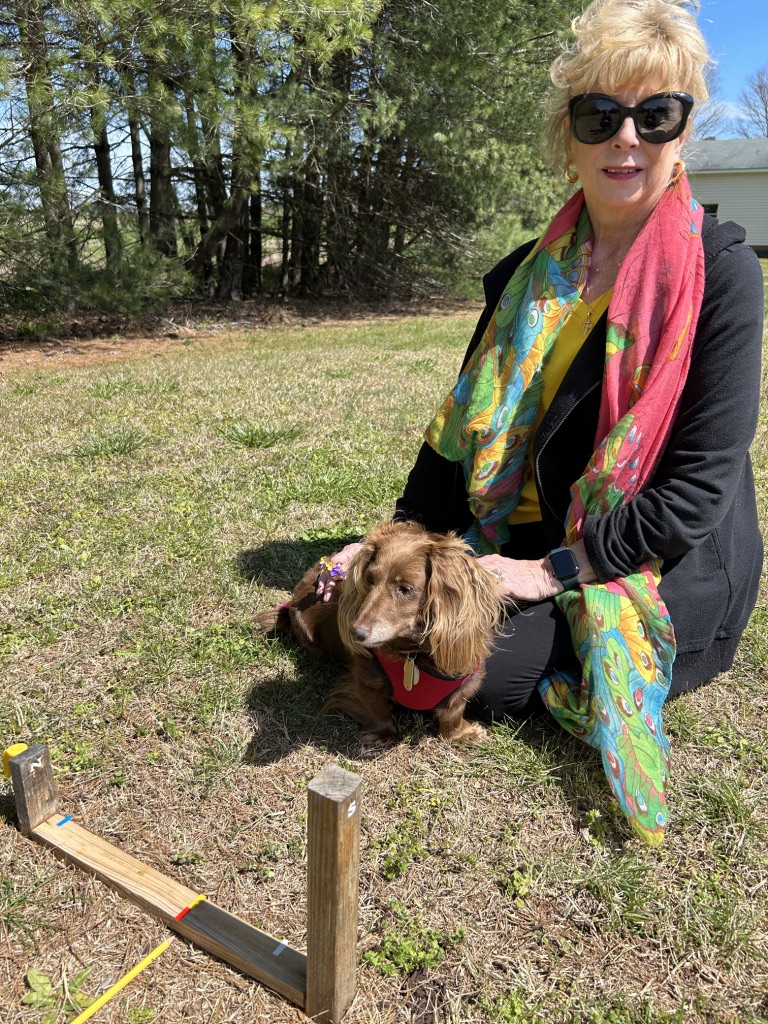
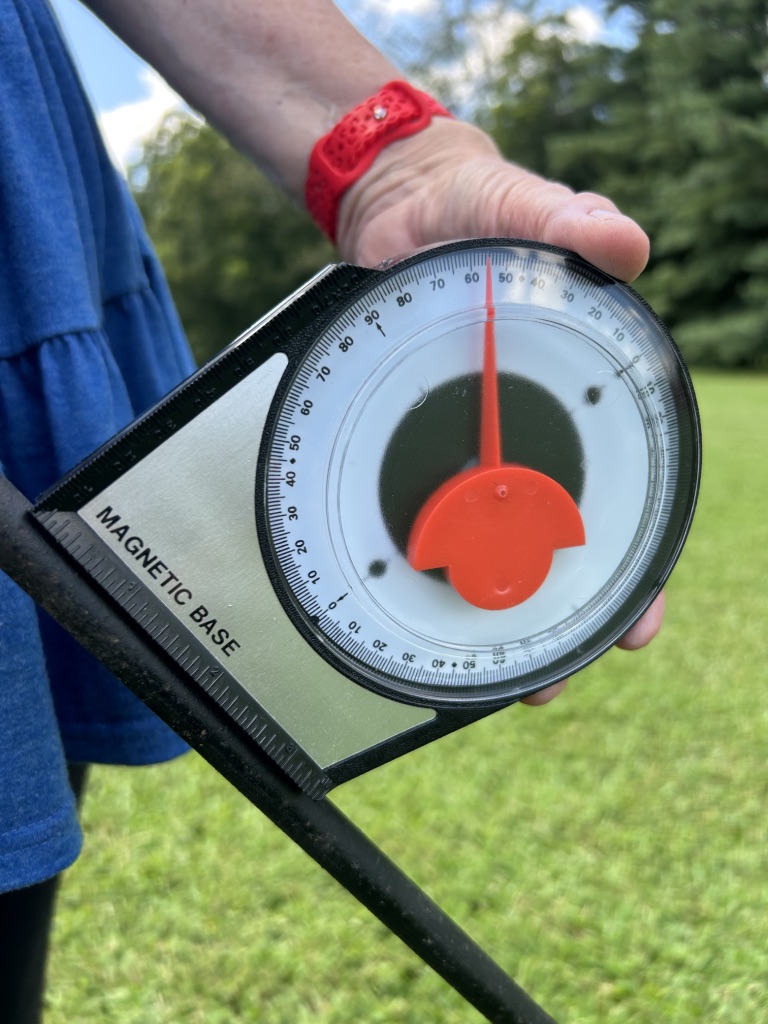
Debbie using an angle finder to insure the proper angle is at 55º.
The angle is toward the South at 55º
Point the steel rod toward North, but again the angle is toward the South.So draw a line, with the post, going South to North.
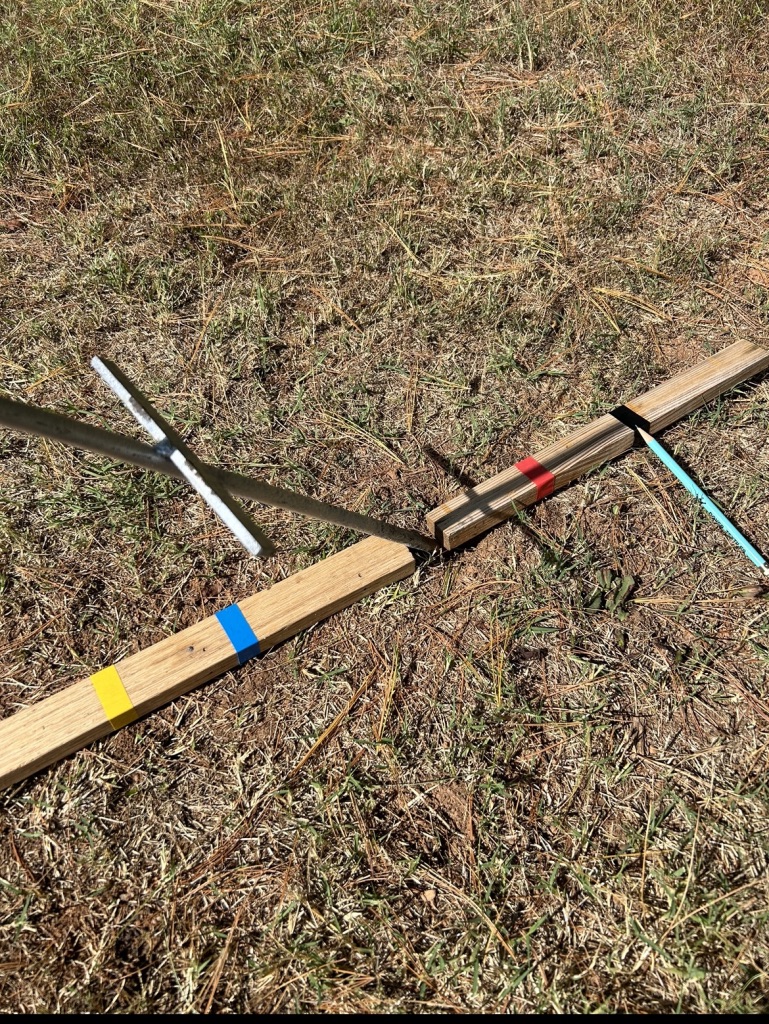
Note the shadow. It will be increasing each day to get shorter, until on September 22nd, there will be no shadow, as the sun will be “pointing down” the rod.
At 1:00 PM EDT, today (September 22nd) a photo was made, and indeed showing no shadow, as the sun was shining directly down the steel rod.
The previous marks (blue and yellow) on the scale indicate the positions of the suns shadow on different days, since August 24th.
The black mark shows the shadow on the first day of winter. The yellow mark was made on the longest day of the year….or the first day of summer.
Deep-sky observing can be enjoyed with a group or solitary, however for me, I much prefer the latter. I always have a planned agenda, with the object or objects that I’m interested in observing.
Deep-Sky observing (galaxies, nebula and star clusters) are very serious business for me, with no time for idle chatter or distractions! There are pencil sketches and notes to make! 🙂
However, I did have one observing partner that was with me on a regular basis for almost 17 years, but she passed away in February 2016. Its been ten years now as of 2026, and I still miss and think about her often.
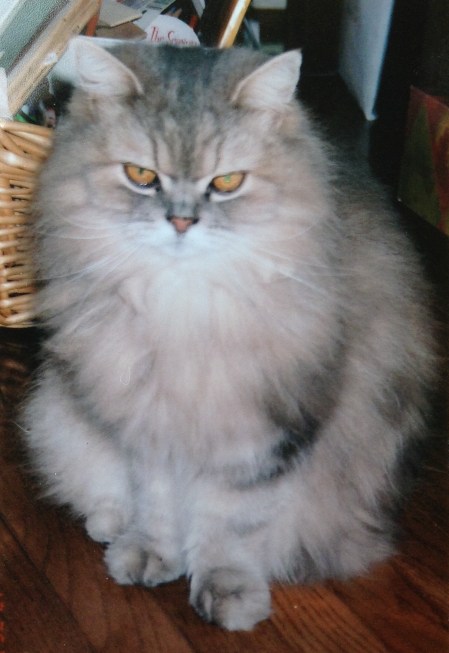
I can still see CJ, our Persian Cat, waiting anxiously at the back door, ready to go outside, while I’d be setting up my telescope on the deck or in the backyard.
When the door was finally opened, she would run out, fast as she could and so excited. She would walk around, climb the deck, play like she was catching something….pouncing and clawing the ground. However, after a short while, she’d end up on my lap, either due to being cold or to just feel safe.
CJ was going to stay with me for only a couple weeks and would then be moving to California, but that two weeks ended up being almost 17 years. I’m really glad the move didn’t work out.
Debbie and I held her in our arms from 11:30 AM till 8:15 PM. I had my hand on her chest when her little heart beat the last time, after 19 years. It was a very, very sad day.
CJ had a wonderful life. We treated her like a Princess.
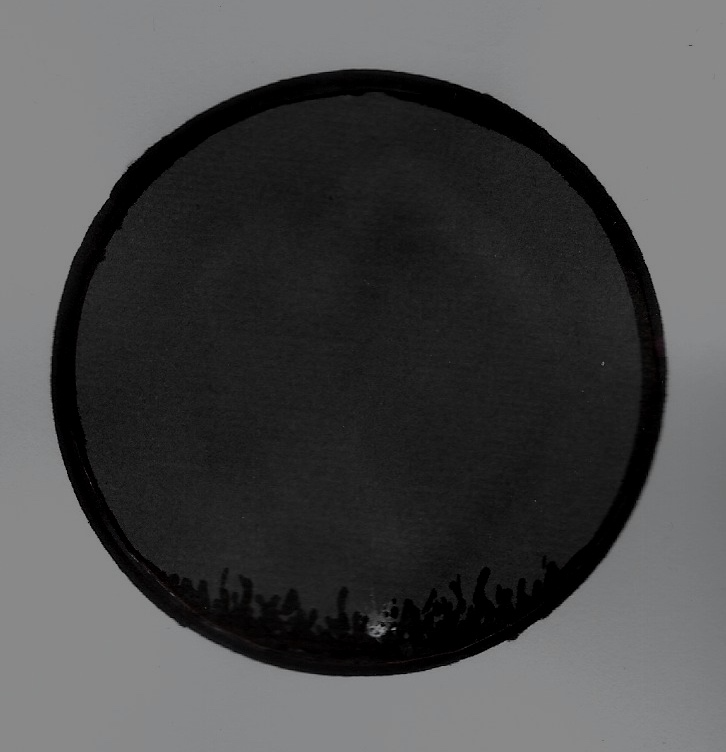
The following is a rough field sketch using chalk on “gray” cardstock, rather than “black” to better illustrate light pollution. Canopus is just visible in a distant tree line.
Canopus is located in the constellation Carina, and is the second brightest star in the sky. It has an absolute magnitude of -5.71and with the following coordinates:
Right ascension: 06h 23min declination -52º 41
In the early 90’s, amateur astronomer Tom English, promoted an event called “The Great Canopus Chase” in our local astronomy club. It was unknown at that time if Canopus could be seen from the area, and amateurs went far and wide looking for the perfect southern view.
Many observers saw the star, but most from different locations, within the local area. It was a fun event. When I first saw it, I was surprised, but have seen it many times since. It has actually become an annual event, so it will be again this year. (2025) Roger Ivester
From my (+35º 18′ ) in North Carolina, my theoretical south latitude 90º (-) 35º = ~ -55º.
Of course the terrain and light pollution can most often be the limiting factor for many in their limiting theoretical southern latitude.
I can see the star Canopus at the south declination of (-52º 42′) but in a distant tree-line, however, it shines brightly! It’s easy to see without optical aid, but I normally take my 7 x 21 mini-binoculars to assist, but once located, it’s very easy naked eye.
So, from my location, Canopus @ -52º 42′ is only ~ 2.5º above the horizon.
The following is my rough chalk sketch, on charcoal “colored” card stock. I made this “rough sketch” as viewed from the north end of Stadium Drive, at the stop sign (junction to the Boiling Springs/Cliffside highway)
Notes and image as following by Mario Motta:
Canopus near its peak which is 11º, here at about 10º above the horizon in Naples, Florida.
I received this note from Richard Shuford, this morning: March 2nd 2023
“Back in 1976, when I was an undergraduate physics major at Lenoir-Rhyne College in Hickory, NC, catching a glimpse of Canopus was celebrated by some of my friends who observed it from a high hilltop in Burke County.” Richard Shuford
(Note: Hickory is about one hour north from my location of seeing Canopus. I was very surprised when reading the above notes from Richard Shuford. I thought our group in Boiling Springs, in the early 90’s was the first time anyone in this area (+ 35º) NC was able to see Canopus.
Chuck Vaughn: Observer from California
Now what is the likelihood of me finding and seeing this in a 30 year old magazine? Especially since I just completed a Canopus post on my site?
I was casually thumbing through a December 1992 Sky & Telescope, and the word “Canopus” seemingly jumped out of page-712 and hit me, right in the eye! His (Chuck Vaughn’s) latitude is +37º 49′ which puts Canopus on the ~horizon, and being able to see it without optical aid!
The following is a brief of that article:
“Canopus, too! Chuck Vaughn of Fremont, California…..claims to have caught sight of the star without optical in November 1991, and three years earlier in December. Has anyone else seen it from such a northerly location?” CV
Note for reference: Richmond, Virginia has a latitude of +37º 53′ just about the same as Fremont, California.
I’m hoping someone reading, with a clear southern horizon, with a latitude of ~40º’s will attempt to see Canopus. This would put the star below the horizon! Is this even possible?
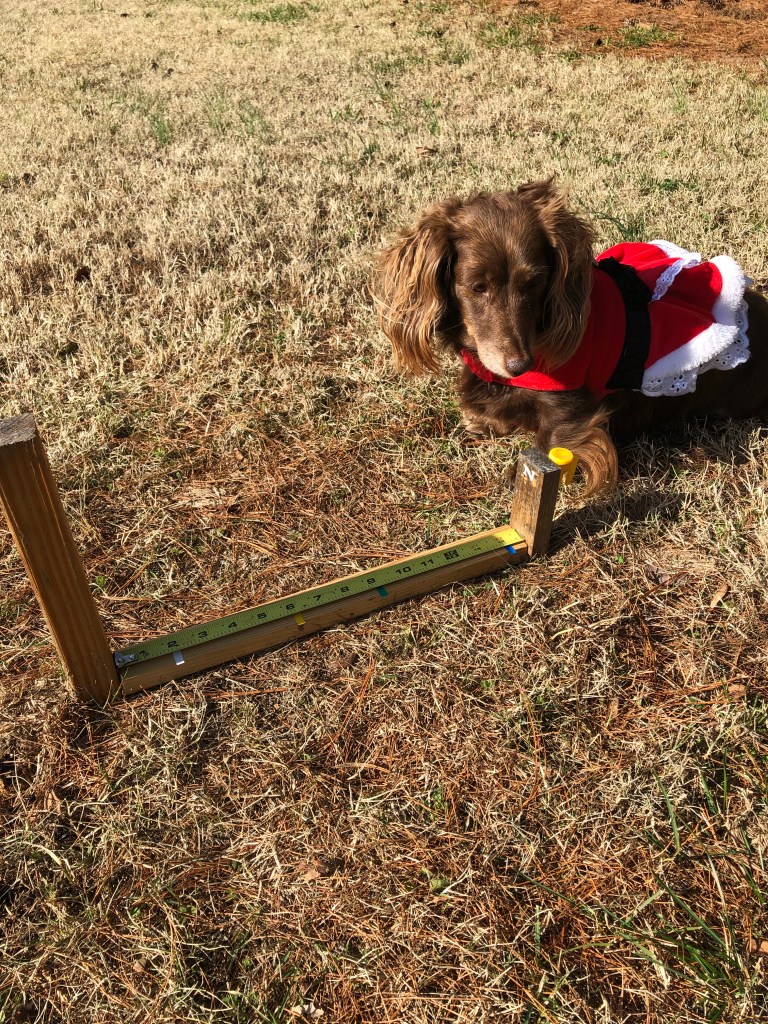
My oldest grandson needed a college project for showing the altitude of the Sun, via the shadow. I made a simple solar device in my back yard, and John-Winston fabricated a similar one in his yard at Myrtle Beach. We compared views fairly often and discussed our results.
We (Sophie, Debbie and myself) made the following photos today at 12:00 noon (December 21st 2022) EST.
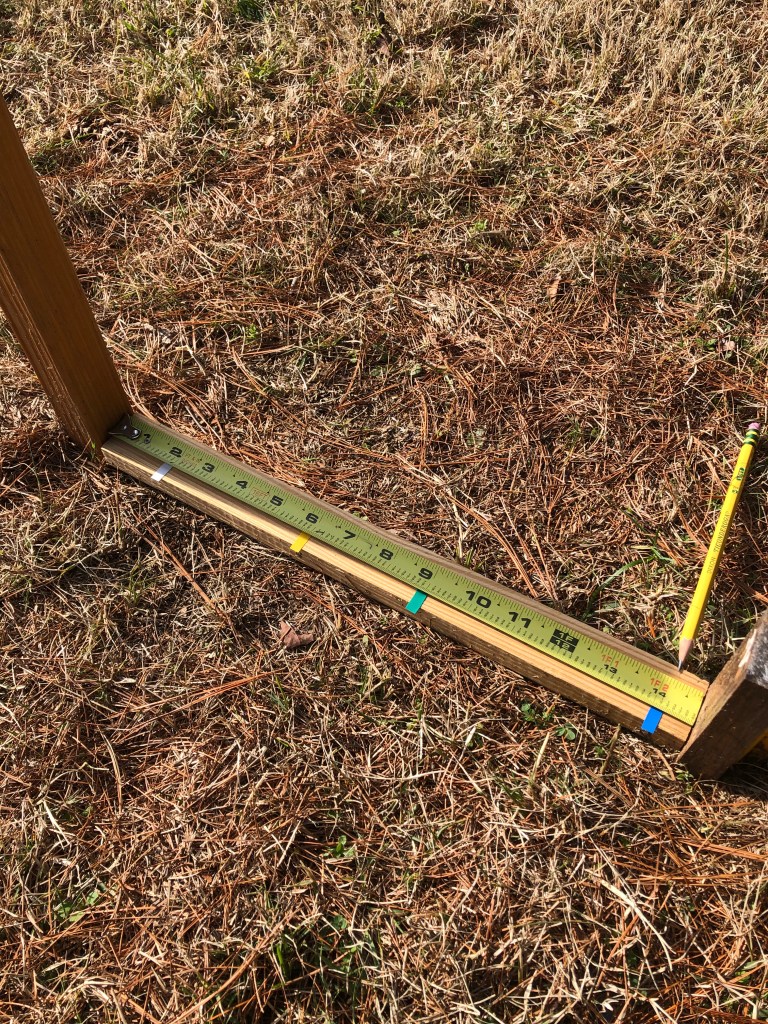
The (blue mark) represents the Sun Shadow (today) at “precisely” 12:00 Noon EST, December 21st. Note that the shadow is “almost” at the end of the scale. This shows or presents the shortest day of the year in the northern hemisphere, which is a very long shadow.
The (green mark) on the measuring tape at nine-inches…was made on the the first day of fall (September 22nd.)
The (white mark) presents the sun shadow on the first day of summer (June 21st) and the longest day of 2022, which shows a very short shadow!
This would “also conclude” that the sun is never “perfectly” overhead for our latitude which is +35º 18′ north.
The scale on the ground is perfectly level and aligned north-south. The shadow post of the solar device is at a vertical 90º.
Nova Sophia (Sophie) looking at the longest shadow with interest.
See photos below: Note the longest shadow, the blue mark, which was made on the first day of winter, the shortest day of the year.
During DST, the time of the measurements of the shadow should be made at 1:00 PM. During EST, the shadow measurement should be made at 12:00 Noon.
Comments:Comments Off on The Shortest Day Of The Year In The Northern Hemisphere Is The Winter Solstice Or The First Day Of Winter. Measuring And Watching The Sun Shadow For An Entire Year…
Brad and Zoe, at one time made frequent trips rom Las Vegas to Los Angeles, traveling through Baker, California, via I-15 which crosses the desert.
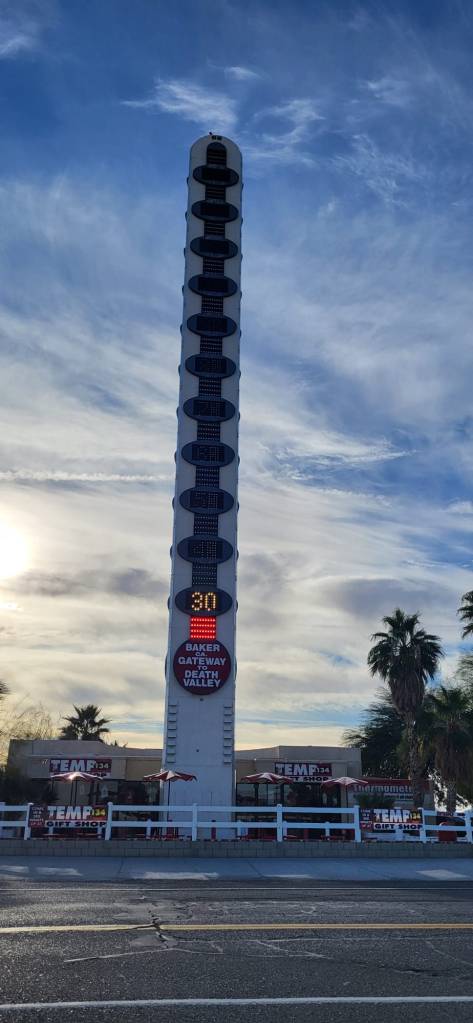
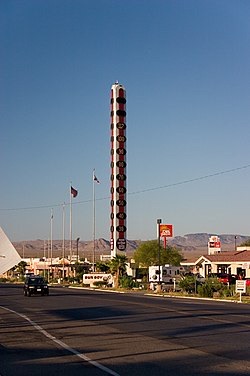
Baker is best known for having the tallest thermometer in the world at 134 feet, and considered the gateway to Death Valley.
The thermometer was built to commemorate the “official world record” setting temperature of 134º F, set in nearby Death Valley (Furnace Creek) on July 10, 1913. Yes, the “official” hottest temperature on the planet earth, and a record that stands to this day.
The following photo of the thermometer was during a trip on Tuesday, November 22, 2022. On that day the temperature was a cold 30 degrees, which is quite the change from the record setting temp.
Warren D. Ivester: (1913-1986) Ruby Whisnant Ivester (1919-2006)
My Daddy loved sports cars. The following blue convertible is a Fiat 124 and the orange one (second photo) is a very rare Datsun Fairlady.He also had a couple more European cars, which was another Fiat and a French Peugeot.
Warren Ivester: “Circa 1976” driving his 1965 Datsun Fairlady1500 Roadster. A very rare car with a high-performance 4-cylinder (1,488cc engine) twin-carburetors and a four-speed transmission.
My Dad had an engineering mind with an ability to improvise a mechanical fix when he didn’t have the necessary parts. This was especially true as related to cars which were always his passion. In the early days, I remember him cutting copper-shims and placing underneath engine bearings rather than using new bearings. However, this was a common practice during the early years and even into the 60’s.
Helping my Dad at our home garage:
The garage was a very humble building with a dirt floor and comprised of a conglomerate of salvaged materials with a small coal burning stove.
While my Dad was rebuilding an engine or doing some serious engine work, I would try to help. And one of my jobs was to grind valves and valve seats in head blocks, when necessary. I would use a tool with a suction stopper on one end, attached to a wooden handle, using a variety of abrasives.
Born in 1913, my Dad grew up on a farm in the foothills of North Carolina when most roads in the area were dirt and things were far different than today. Those were the days of Ford T’s and later A-Models.
When my Dad was born it was only 10 years after the Wright Brothers made their first flight in December 1903, lasting only 12 seconds. And one year after the Titanic sank on April 12th 1912.
Working on the family cotton farm:
He would later begin working as an auto-mechanic, and would work for himself at times and then at many different garages over the coming years.
The story of the Savannah River Nuclear Facility:
My Mom told me on numerous occasions….Dad had an offer to work at the Savannah River Nuclear Facility, but decided against it. This facility was being built in the early 50’s to produce and fabricate nuclear weapons, primarily tritium and plutonian-239. Some “seriously dangerous materials” for sure! I can’t remember or be sure as to why he didn’t take the job, but was not due to the plutonian-239.
However, if my Dad had taken this job, it would have for certain changed the trajectory of my family, and It could have been beneficial to the family finances for sure.
It could have been really good for me also: As I needed my own bicycle, a serious astronomical telescope, a Lionel electric train, and other essentials that kids needed in those days. 🙂
Moving the Cape Hatteras Lighthouse:
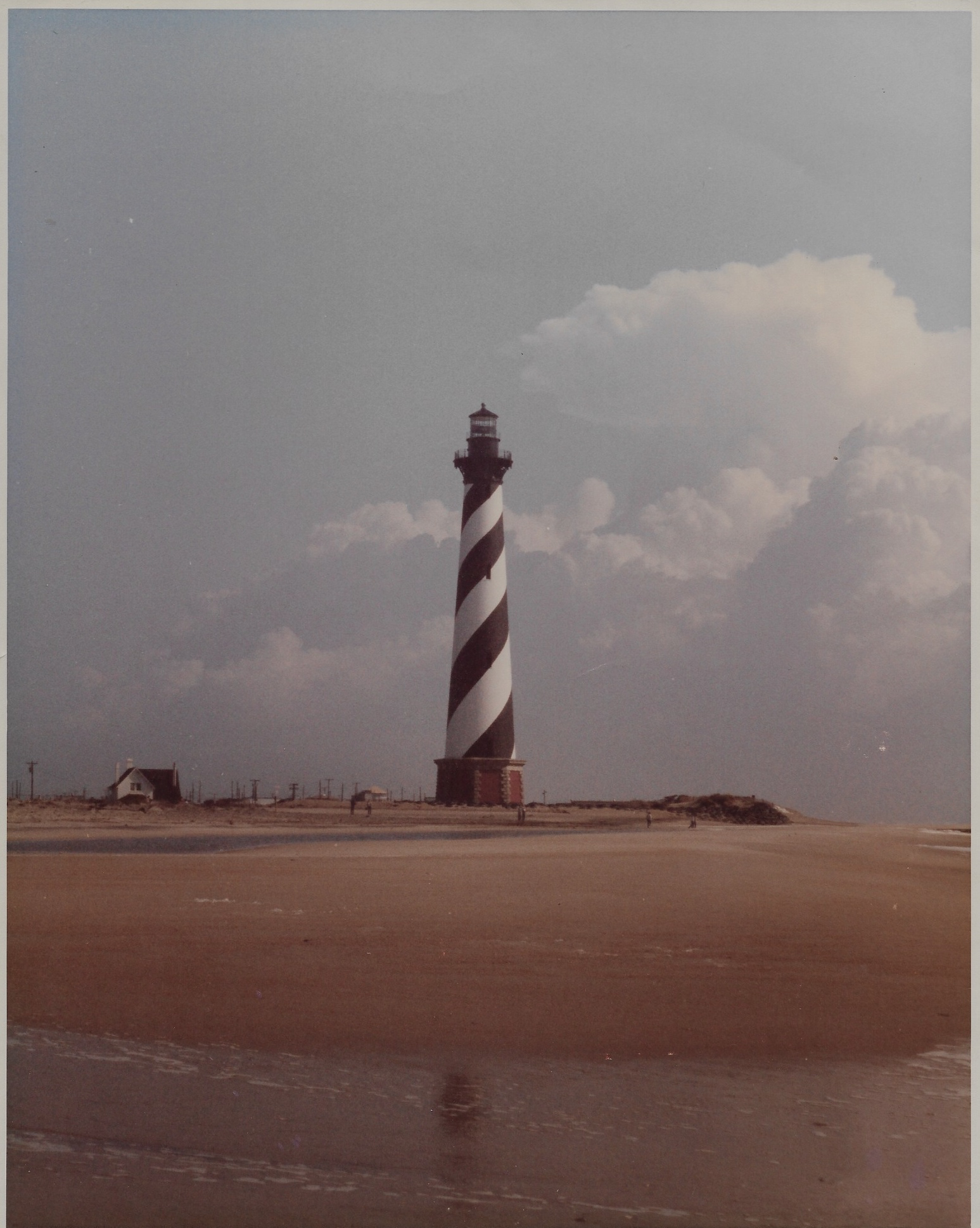
Earlier this morning while Debbie and Sophie were still asleep, I was trying to find my “original” 1982 photo of the Cape Hatteras lighthouse. A photo before it was moved further inland, away from the ocean.
Fortunately for me, I had scanned and saved an original 35 mm photo more than 20 years ago. I had also written an interesting story as a tribute to my Dad.
He taught me and my brothers how to repair cars, and all things mechanical. This would also include how to move a lighthouse!
When engineers from all over the country were trying to figure out how to move the Cape Hatteras Lighthouse further inland, my Dad already had it figured out. I remember him sharing the following on a number of occasions; and one time to me and Phillip under the maple tree beside our house.
“……it needs to be lifted up with hydraulics, using the same principle as moving a house. Then installing a massive rail-system underneath. The rails would extend the entire distance to be moved, or to its new and final resting location. The lighthouse would have to be moved very slowly, maybe only inches a day, which would allow very close monitoring of the process.”
This was pretty much the exact way the famous 210 foot high lighthouse was moved.
An amazing fact concerning the light house is the foundation: It sits on top of yellow pine lumber crisscrossing in the sand, in fresh water. The timbers were still in perfect condition when the lighthouse was moved. Yes, the light house had no foundation other than sitting on wooden beams! No concrete or steel!
I made the following photo in April 1982 of the lighthouse in its original (1870) location. Moving this massive structure was definitely an engineering marvel.
My Mom was the mother to six-boys and a wonderful mother she was.
She was very intelligent, excellent in math, very artistic, beautiful handwriting and well read in so many subjects. And this was many years before the internet. She would purchase one encyclopedia every month from the Shelby Winn-Dixie. We would get our groceries at Winn-Dixie, on either Friday nights or Saturday afternoons and most of the time I’d go. Our house was about 15 miles from Shelby, and we called this…going to town.
We received the National Geographic magazine, for about ten years, from about 1960 to 1968. With the addition of our grocery store encyclopedia’s, what more could we possibly need to learn about everything? My Uncle Boyd and Aunt Shelley who lived in Virginia gave the National Geographic magazines, to me and my brothers, in those early years. I remember being excited when the magazine came to our FFA (Future Farmers of America) concrete pedestal mailbox, each and every month. One of my brothers made the mailbox at Polkville School, and brought it home on the school bus.
How my Mom saved me from going to prison when I was 9 years old!
I sent off for a free stamp coin collection, or maybe it was all for a dime I’d sent them. Then I started receiving more and more (worthless) international stamps and more and more books.The company was located in Garden City, New Jersey. I then received a bill for $35. But, what to do? I just ignored the letter, but a month or so later they sent me a serious legal letter.
They advised me to seek legal counsel, as they would be sending their attorney to meet with me and my attorney in Shelby, NC, within the month. But my stamps/coins and books were suppose to be free…or covered by the dime I’d included in the envelope!
I showed the letter to my mom, and it scared her to death!
She quickly looked in our “savings” drawer and counted out $35 and put in an envelope. I’ll never forget the both of us cramming the stamps and books into a box with the money. Yes…cash in an envelope and sending to a bunch of shysters in New Jersey!
Relief! My life was saved!My Mom just couldn’t let her her youngest son go to prison for $35. The real criminals were the folks at the stamp and coin mail order company. (Note: Many years later, a law was passed by Congress, that allowed people to keep anything they didn’t order.) And I didn’t order boxes of books stamps, cheap aluminum coints and worthless books! Considering inflation, the $35 would be equivalent of $366 as of 2025. And my family needed this money!
When I was in about the 1st-4th grades (~1960-1963) she would work at a sewing company in Cherryville, and would ride with some of her friends in the area, who also worked there. My Mom would never have a drivers license. During periods when she was not working, she loved to watch soap operas, which she called “the stories.” She would talk with a few of her local friends on the telephone about the stories as if they were real. One thing for certain….she loved her family.
My mom also taught me so much about the Bible when I was really young, which inspired me to read the Bible, and my belief in Jesus Christ. I would begin to read the Bible on a regular basis, and had a couple that were given to me by my church. However, my favorite was a small Bible given to me at Polkville School, by the Gideons. Somehow at 11 or 12 years old, I managed to memorize the entire 34th Psalm. This is an amazing Psalm that says so much.
I remember so well, my Mom reading to me: Luke 16:19-31 KJV: She talked with me about Hell and eternity and said: “Can you imagine, constant torment that never ends?” Even at a very young age, this for sure caught my attention!
My Dad standing in the backyard during the summer of 1984:
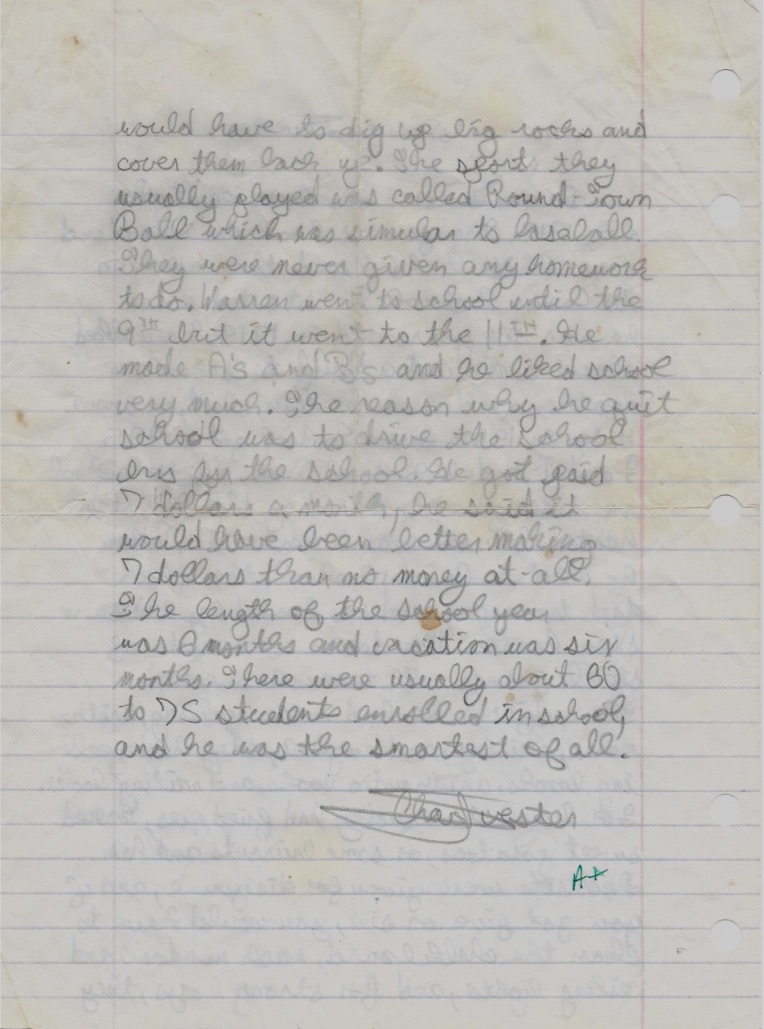
An interview and documentation as following by Chadwick Ivester: His elementary school assignment (4th grade, nine-years old in 1981) was to interview an older person that was significant in their life. Chad chose his grandfather.
Page 2:
The following is the story for easier reading. Only a few spelling changes were made and paragraphs for easier reading.
I would consider this an historical document: Roger
Warren Ivester was born on Feb. 4th, 1913. The first school he attended was White School and then went on to Casar School. He started when he was six years old in 1919. He walked about a mile and a half to school in weather conditions as rain, sleet, or snow.
Later in 1926 Casar School got a 1925 Ford T-Model Bus. White School was a single room building that was stem heated. It used coal to heat. Then when he went to Casar School, the school had two rooms and was heated by the same stem heater. The desk were made of steel frames with tarnished wood.
The subjects he had were spelling, arithmetic, writing, and english, they had spelling books, arithmetic books, and writing books. For lunch he usually had fried pies, baked sweet potatoes, or some biscuits and ham.
Demerits were given for disipline, and if you got five or six, you would have to clean the chalkboard, wash windows and ceiling lights, and for strong boys, they would have to dig up big rocks and cover them back up.
The sports they played usually played was called Round-Town Ball which was simular to baseball. They were never given any homework to do. Warren went to school until the 9th but it went to the 11th. He made A’s and B’s and he liked school very much. The reason why he quit school was to drive the school bus for the school. He got paid 7 dollars a month, he said it would have been better making 7 dollars than no money at all.
The length of the school year was 6 months and vacation was six months. There were usually about 60 to 75 students enrolled in school and he was the smartest of all.
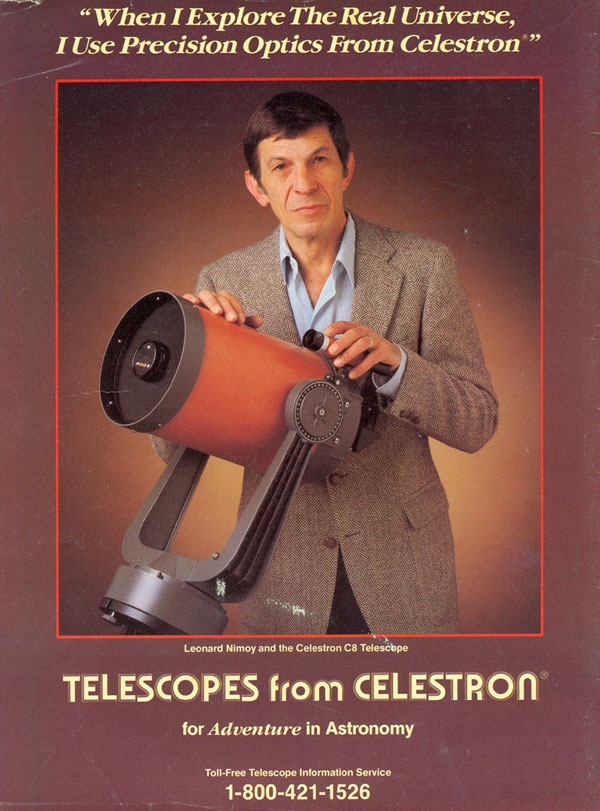
I pulled the following photo of (Leonard Nimoy) “Spock” and his “Orange-Tube” 8-inch Celestron Schmidt-Cassegrain telescope, from Phil Harrington’s vintage telescope advertisement post.
This is the telescope, that changed the world of amateur astronomy, with its introduction in 1970.
Amateurs wanted a more compact and portable telescope, and the 8-inch Schmidt-Cassegrain f/10 fit the bill. I’ve owned two SC scopes over the years, but for me, I still like the simplicity of a Newtonian Reflector, despite the bulk and weight.And should a problem present itself, there is always an “easy fix” maybe not so much so with a Schmidt-Cassegrain or Maksutov-Cassegrain.
However, the Schmidt-Cassegrain telescope is the choice of telescope for many amateurs, for their own personal reasons. I’d suggest mostly for portability, and astrophotography.
Newtonian Reflectors:
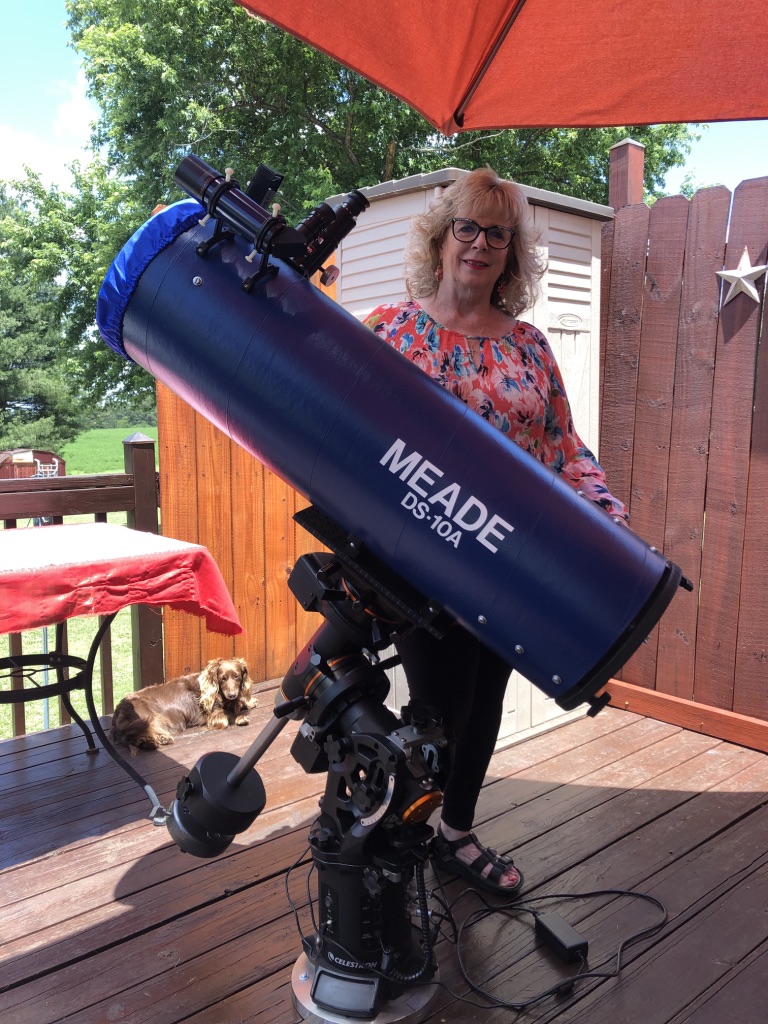
It’s my opinion, a 10-inch “equatorially mounted” (solid tube) reflector, is the largest reflector that can/could be considered portable. And that’s a stretch, as I have a very heavy 10-inch EQ reflector (solid tube) so this is based on my experience.
However, this is not the case for a Dobsonian design, as many take 20 to 25-inch Newtonian’s, and sometimes “even” larger to star parties on a regular basis. But for me, I was always happy for someone else to bring such a large telescope. 🙂
My experience with a 20-inch Dobsonian:
I’ll never forget being at a star party near Blowing Rock/Boone, North Carolina, and climbing a “really” tall ladder, to observe through a 20-inch Dobsonian. To make things worse there was a 15 to 20 mph wind, and “of course” in total darkness. I couldn’t wait to get back on ground, and decided my 10-inch reflector was all I needed! I just never thought astronomy should be a hazardous hobby, even greater than road cycling!
I’ve always preferred the simplicity of both a Newtonian and refractors:
For me, growing up looking at big Cave Newtonian’s (advertisements) and other brands, with massive German design equatorial mounts, was what an astronomical telescope should look like.
We can never escape our early years, and thoughts.
Roger Ivester
The following is an excerpt from Wikipedia, concerning Tom Johnson and Celestron telescopes.
…..Johnson, who had a strong interest in amateur astronomy, originally created Celestron as the “Astro-Optical” division of Valor Electronics in 1960.[2][3] Around 1960, Johnson had been looking for a telescope which could be used by his two sons, but found no such child-friendly models on the market at the time.[2] Johnson built a new telescope, a 6-inch reflector telescope, by himself, in 1960.[2] He was visiting his brother in Costa Mesa, California when he came upon his nephew, Roger, trying to grind the 6 inch diameter lens he purchased from the clearance table at a local hobby shop. Roger was tired of the project and offered the lens-grinding kit to his uncle. Thomas Jasper took the kit home and after several days of hand grinding, he invented a machine that would grind the lens for him. Thus, by accepting the lens grinding kit from his nephew, Roger L. Johnson, “TJ” (as the family called him) created that first lens of many.
Johnson’s interest in telescopes soon became a full-fledged business.[2] Johnson’s new company, Celestron, which descended from the “Astro-Optical” division of Valor Electronics, soon began selling more sophisticated Schmidt–Cassegrain telescopes in models ranging from just 4 inches to 22 inches.[2] However, the Schmidt–Cassegrain telescope proved difficult to mass-produce because the models needed Schmidt corrector plate, an advanced aspheric lens, which could be hard to manufacture.[2] To solve this production problem, Johnson and the company’s engineers invented a new type of telescope, the Celestron 8, in 1970.[2] The Celestron 8 was more compact, affordable and easier to manufacture than traditional telescopes, like the Schmidt–Cassegrain.[2] Johnson’s new telescope proved very popular in the amateur astronomy and educational industries, allowing the hobby to rapidly expand and reach more consumers.[2]










Recent Comments