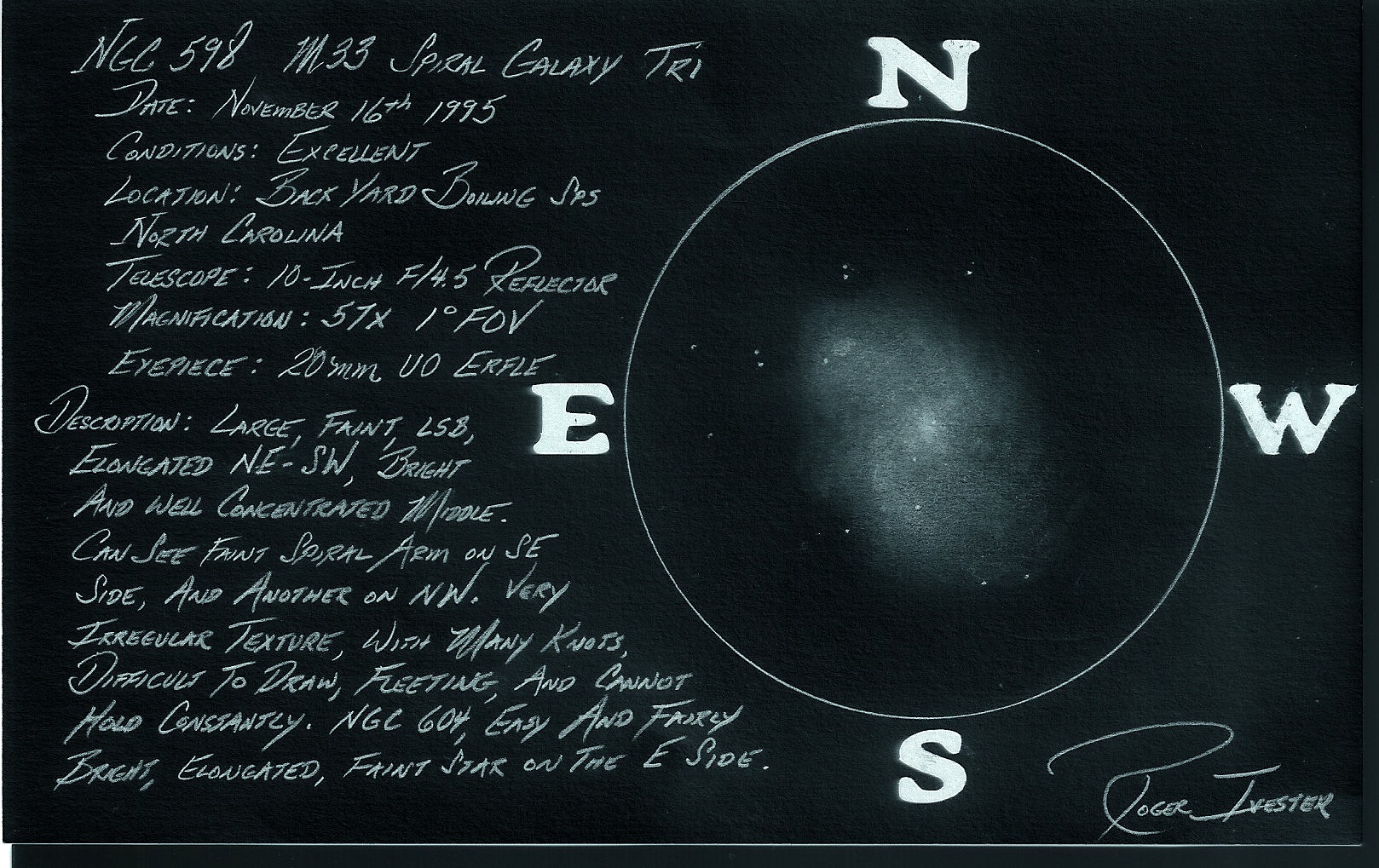
So during the months of October and November 2023, three observing sessions and more than six-hours at the eyepiece, I was finally successful in seeing this galaxy.
So by own authority as an amateur astronomer, which is no authority, I’m naming this galaxy: “The Invisible Galaxy.”
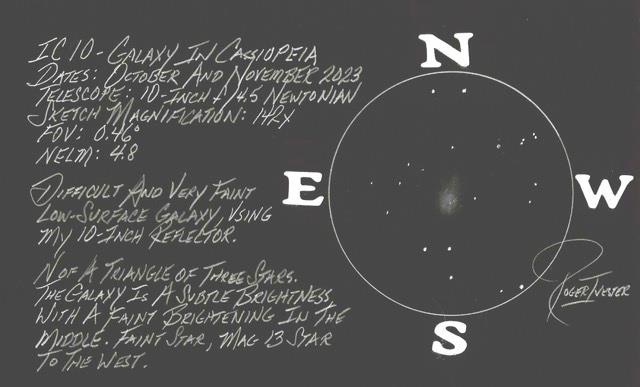
A difficult and very faint low-surface brightness galaxy, using my 10-inch Newtonian. After three nights with poor transparency, and more than six-hours of observing I was finally about to make my final sketch, as following.
The first thing to look for is a triangle of three mag. 9 stars, with the galaxy being just to the N.
The galaxy appears as a mere brightening in the sky, but upon careful observing over the three nights, the glow of the galaxy halo became enlarged, and elongated NNW-SSE.
There is an extremely faint, and very subtle brightening in the middle. A faint star is visible near the center and a mag. 13 star is fairly easy to see just to the W.
In the following sketch, note the pair of faint and close double stars in the NW edge of the field.
Comments:Comments Off on Galaxy IC 10 Cassiopeia: “The Invisible Galaxy” November 2023 Observer’s Challenge Report #178
Posted November 11, 2023 by rogerivester Categories:Roger's Articles
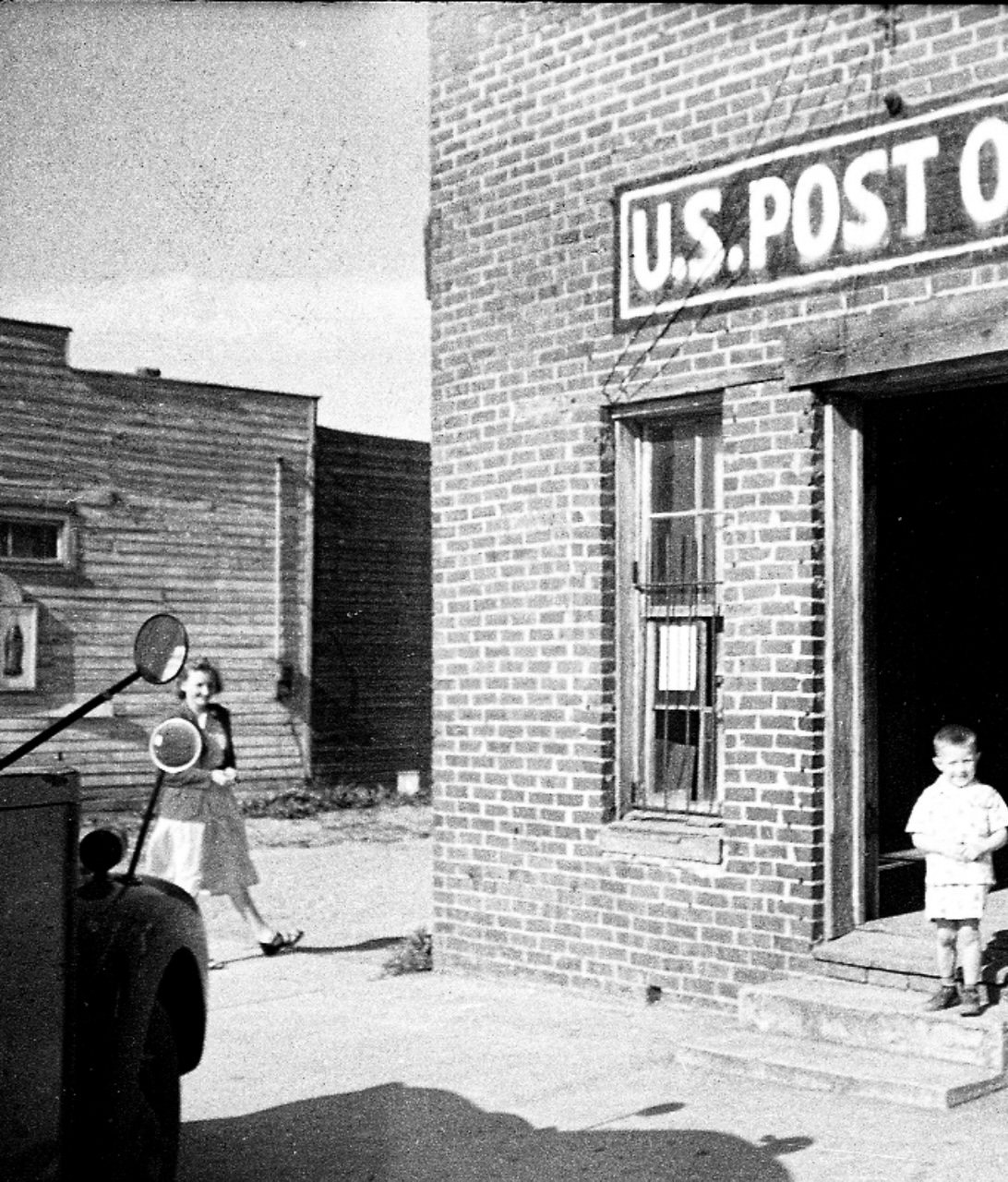
Early 50’s: Photo credit Tommy Greene
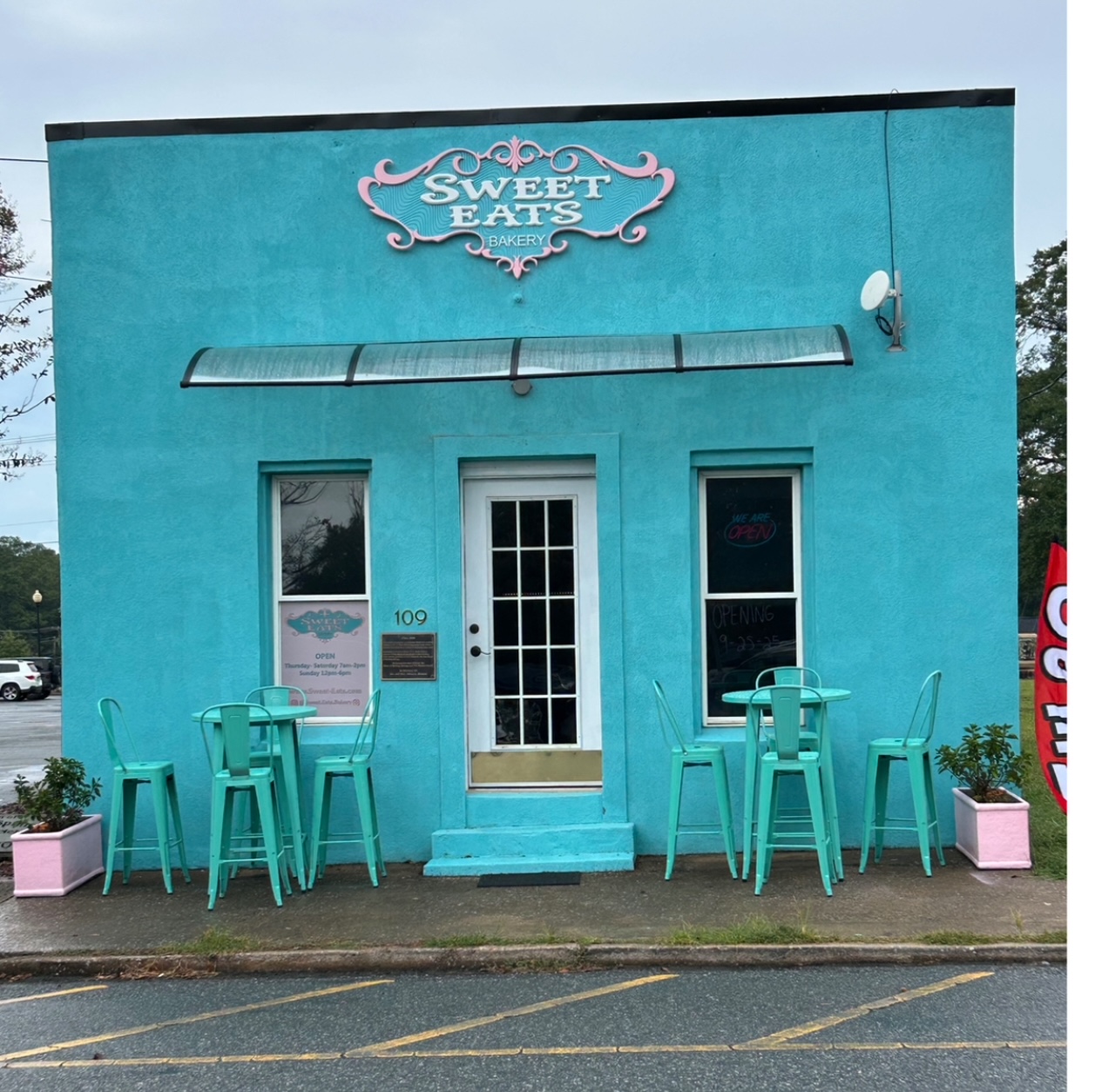
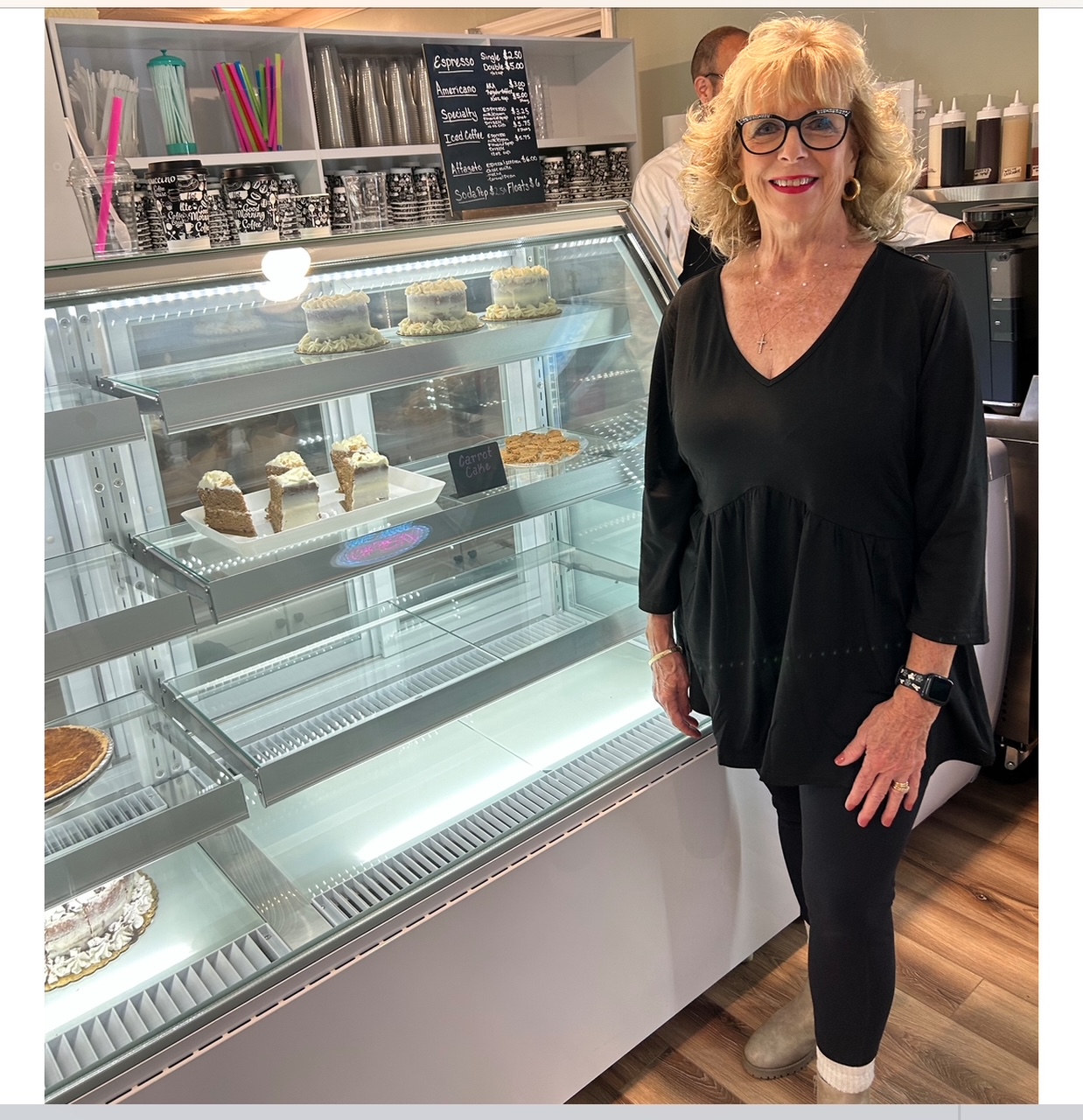
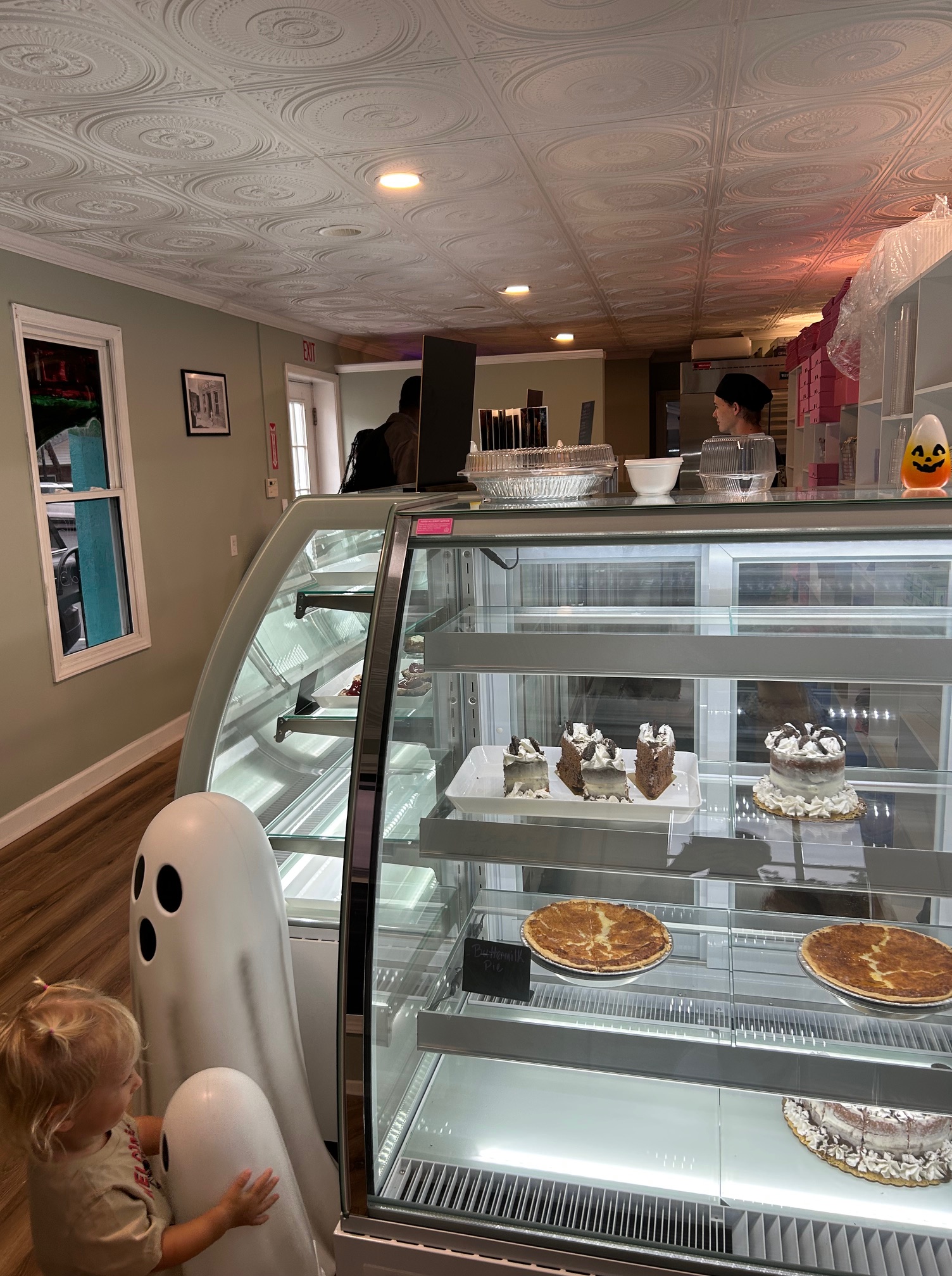
We visited the coffee shop earlier today (Thursday, September 25th 2025)
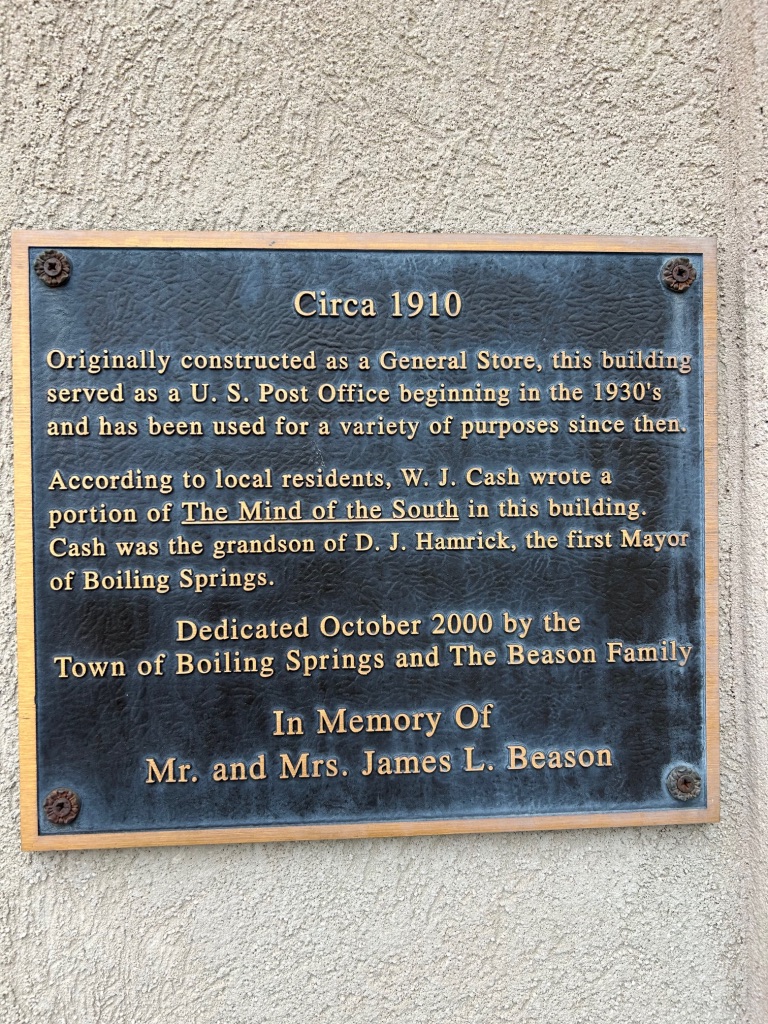
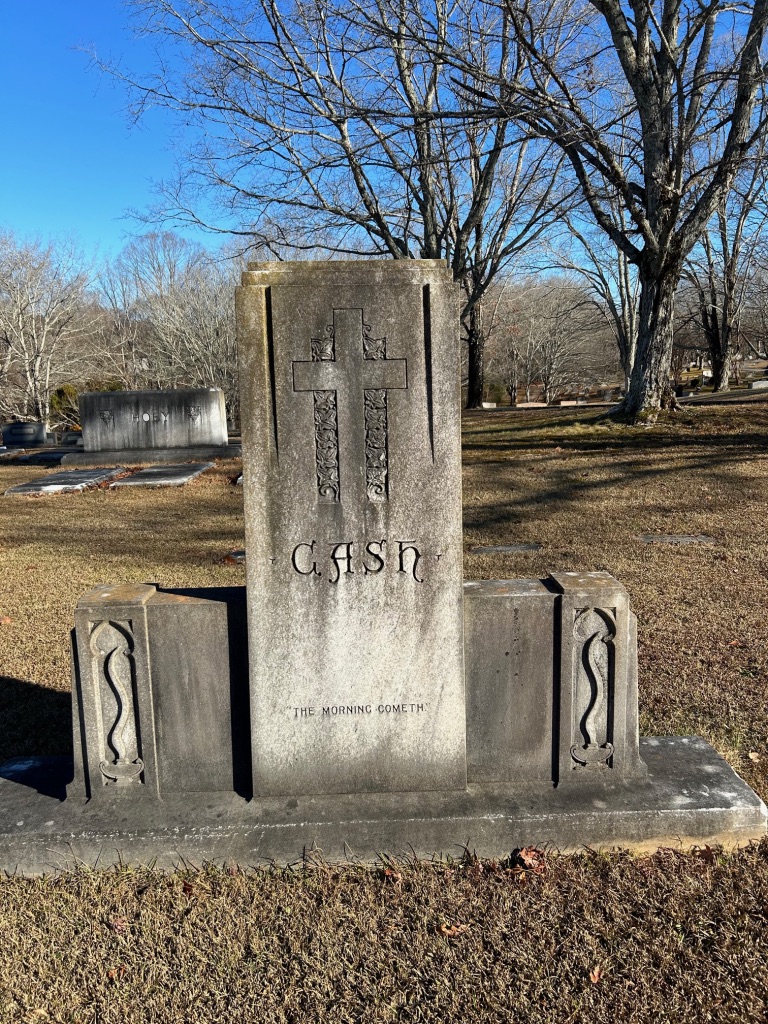
Debbie and I thought it would be good (a year or so ago) to document a little history concerning the building, and some information about W.J. Cash from wikipedia: So Read on...
Excerpts and photo as following from Wikipedia: The article is very long, so I tried to take out as much as possible, but leaving what I thought was the most important.
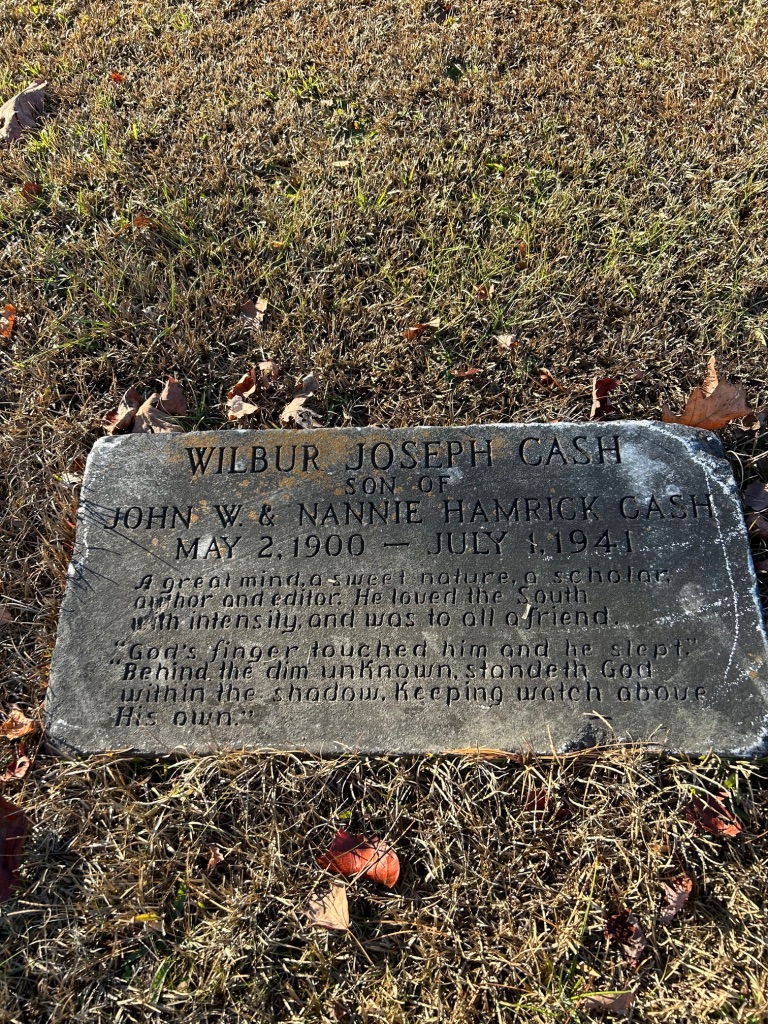
Wilbur Joseph “Jack” Cash (May 2, 1900 – July 1, 1941) was an American journalist known for writing The Mind of the South
Early life and education
Cash, known as “Jack” throughout his life, was born as “Joseph Wilbur Cash” – he later reversed the order of his given names, and normally used only the initials – and grew up in the mill village of Gaffney, South Carolina. He had three brothers and a sister, of whom he was the eldest. He was educated at the local public school until he was 12, when his family moved to Boiling Springs, North Carolina, 14 miles away across the state border – his mother’s home town – so that his father could become a partner with Cash’s maternal grandfather in a general store there.
…..In 1918 and 1919, at his father’s wish, Cash attended Wofford College, a Methodist school, but left because he objected to the school’s narrow provincialism. He then enrolled in Valparaiso University, a Lutheran college in Valparaiso, Indiana, dropping out around Christmas 1919. In 1920, again at his father’s urging, he entered the Baptist school Wake Forest College, despite it being what he considered to be a “preacher college.”[2]
In the summer, he worked at the hosiery mill at which his father was then the superintendent. Cash graduated in 1922 with an A.B., and then attended law school there for a year, before deciding not to pursue a legal career.[2] Cash later declared that he left law school because it “required too much mendacity.”
…..Cash taught English at Georgetown College in Georgetown, Kentucky, and at a high school in North Carolina, before experiencing a nervous collapse. Throughout his life, Cash suffered from manic depression or affective disorder, which manifested itself in breakdowns, periods of depression, fear of sexual impotency, and physical ailments such as not being able to swallow or choking when he spoke. He also suffered from a hyperthyroid condition, occasional alcoholism and excessive smoking. Cash usually referred to his condition as “neurasthenia“.[7]
From 1926 to 1928, Cash held several newspaper jobs: a year in Chicago writing for the now-defunct Chicago Evening Post; several months with The Charlotte News during which he wrote a wistful philosophical column titled “The Moving Row”; and a four-month stint during the fall of 1928 as the chief editor of a small semi-weekly newspaper, the Cleveland (County) Press, in Shelby, North Carolina.
…..Afterwards, Cash moved back into his parents’ house in Boiling Springs – where he lived with his extended family, including his two brothers and their pregnant wives. He contributed to H. L. Mencken‘s The American Mercury magazine, and received encouragement from Mencken. From 1929 to 1935, Cash wrote eight articles about various aspects of the South,[a] including one in October 1929 called “The Mind of the South”, which would become the basis for the later book.[b]
During the period of primary writing on The Mind of the South (1929 to 1937), Cash continued to live with his parents in Boiling Springs.[9] When his contributions to The American Mercury ended after Lawrence Spivak took over ownership of the magazine, Cash supported himself with freelance weekly book reviews to The Charlotte News from 1935 to 1939, for each of which he received a payment of $3, equivalent to about $60-$65 in 2023.
Cash’s seminal article, “The Mind of the South”, was published in The American Mercury in October
In 1932, however, he began to write seriously again, using the unheated back room of the Boiling Springs Post Office, where his aunt was the postmistress.
After Cash had some success at The Charlotte News, he finally had the personal and professional confidence he had previously lacked, and his work there helped him to develop his unique style of writing. He also met and fell in love with Mary Bagley Ross Northrup (later known as Mary Maury), a divorced woman who also wrote for the paper, and who helped him to complete the book through his periods of depression, and his continued focus on events in Europe. During this period, Cash would listen to the news on the radio about the Anschluss with Austria, the invasion of Poland, or the fall of France and would pace around the room, biting his nails, hands, and wrists, leaving marks. He would become so upset that he would leave the house and walk the streets at night.[14]
Finally, on July 27, 1940, the last pages of the manuscript were finished and sent to New York. Five months later, on Christmas Eve, Cash and Northrup were married by a justice of the peace in York, South Carolina.[11][2]
On February 10, 1941, The Mind of the South was published by Knopf. The book, an intuitive socio-historical exploration of Southern culture, received wide critical acclaim at the time and garnered for Cash praise from such sources as Time, The New York Times,The Saturday Review of Literature, and most Southern newspapers of note, although criticism came from the Agrarian group out of Vanderbilt University in Nashville. Cash also received the thanks of Walter White, the director of the NAACP, for the book’s liberalism in regard to race and its exposure of the bigotry of the South.[15]Time said of The Mind of the South “Anything written about the South henceforth must start where [Cash] leaves off.”
Cash and his wife chose Mexico to spend their year on the Fellowship because it was cheap to live there, and they would have to watch every penny; they embarked on their trip to Mexico City on May 30 1941.[2] Cash had been invited by University of Texas president Homer Rainey to provide the main commencement address to the 1941 graduating class on June 2 in Austin, Texas.
While in Mexico City, Cash came under an apparent psychotic delusion. On June 30, he told his wife that he heard Nazi assassins whispering in the next room, plotting to kill him. The next day, when he was calmer, she went to get help. On her return with a correspondent they had met earlier, Cash was not in the room.
Hours later, he was located in another hotel, the Hotel Reforma, where he had hanged himself with his tie from the bathroom door.[17][d] An autopsy failed to find evidence of a brain tumor. Cash’s remains were cremated, and a funeral service was held in the First Baptist Church in Shelby. The ashes were later envaulted in Sunset Cemetery in Shelby.[2]
Comments:Comments Off on Historic Building In Boiling Springs: Beginning As General Store Circa 1910, Then As A Post Office In The 1930’s. A New Coffee And Bakery (Sweet Eats) Will Open Thursday September 25th 2025.
Posted October 31, 2023 by rogerivester Categories:Roger's Articles
Now is the perfect time “to attempt” Sirius B: It might be easier than you think. (?)
Why an off-axis stop-down mask?
“Often the effects of poor sky stability can be countered to a certain degree. Larger aperture scopes are adversely affected by atmospheric turbulence more than smaller scopes. The cylinder of light of parallel light rays collected by an 8-inch object is subject to a larger cross section of the atmosphere than is that of a 3-inch. The greater the amplitude of of variation in air parcel boundary layers perceived by the system, the more this refractive aberration manifests itself as image wavering. “For certain deep-sky objects (notably double stars) one needs to trade light gathering ability for turbulence reduction. The aperture of the telescope can be reduced by employing a mask over the light gathering end…..” by TL
Tom Lorenzin “1000+ The Amateur Astronomer’s Field Guide to Deep-Sky Observing”
I’ve never tried or attempted to see Sirius B with a Newtonian. I was anxious to give it a try with my 10-inch f/4.5 using an off-axis stop-down mask with an effective aperture of 5.25-inches.
November 2nd 2023:
Beginning at 5:30 AM with a 3rd quarter moon and really bright. I concluded my session at 7:20; approximately 30 minutes before sunrise. I was still able to see Sirius B!
Surprisingly, I could still see the companion just as well at 7:20 AM in very “dim daylight” and still with a fairly bright moon, as when I began almost two hours earlier.This would show and prove that double stars can be enjoyed with a moon and light pollution.
I used a small plastic protractor to help me determine the position angle of Sirius B, and where to look.
My first time seeing Sirius B occurred in 2016, using a 102 mm f/8 FS fluorite Takahashi refractor in March 2016, from Lost Arrow Ranch. My good friend, Don Brooks of many years owns this telescope.
It was actually very easy with this telescope using direct vision. A group of six amateurs took the test:
Using the face of a clock, and all without sharing their perceived position of the companion until everyone had the opportunity to observe. When the last person completed their observation, all correctly identified the position of Sirius B.
Some were very skilled observers, but a couple or more were not, however, all could easily locate and see the companion.
Roger, thanks so much for the off-axis mask idea….wonderful.
Sirius B:
After several or should say “many” attempts I spotted Sirius B in May 2020, using averted vision. My eyes were tearing, cloth over my head and let Sirius pass through the eyepiece. However, after 45 minutes of struggle, I saw the companion.
To-Date: I have now found and seen the companion, also known as Sirius B several times, but it’s still never an easy. It is important to have a stable and clear sky, and good seeing is “absolutely critical” if you are considering taking on this task.
Interesting; I found if Sirius is in the west and after sunrise, seeing Sirius B is actually easier, which might be surprising to many.Roger Ivester, mentioned the same in his report.Magda
Comments:Comments Off on Seeing Sirius B With A 10-inch f/4.5 Newtonian Using A 5 1/4-Inch Effective Aperture And Also With A 102mm FS Takahashi Refractor
Posted October 21, 2023 by rogerivester Categories:Roger's Articles
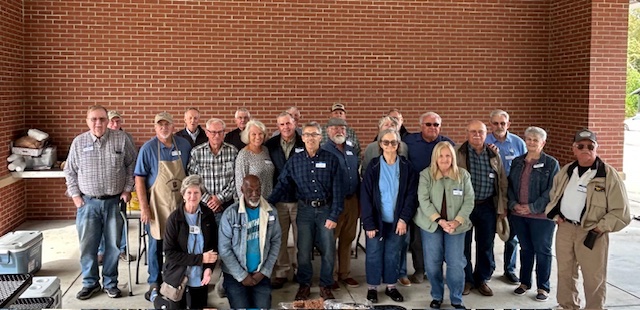
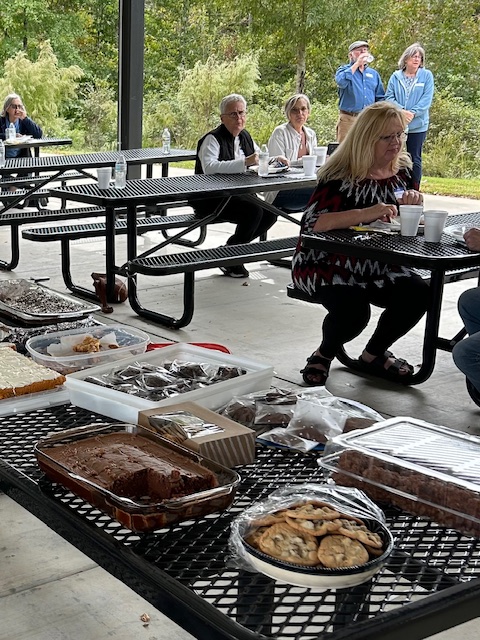
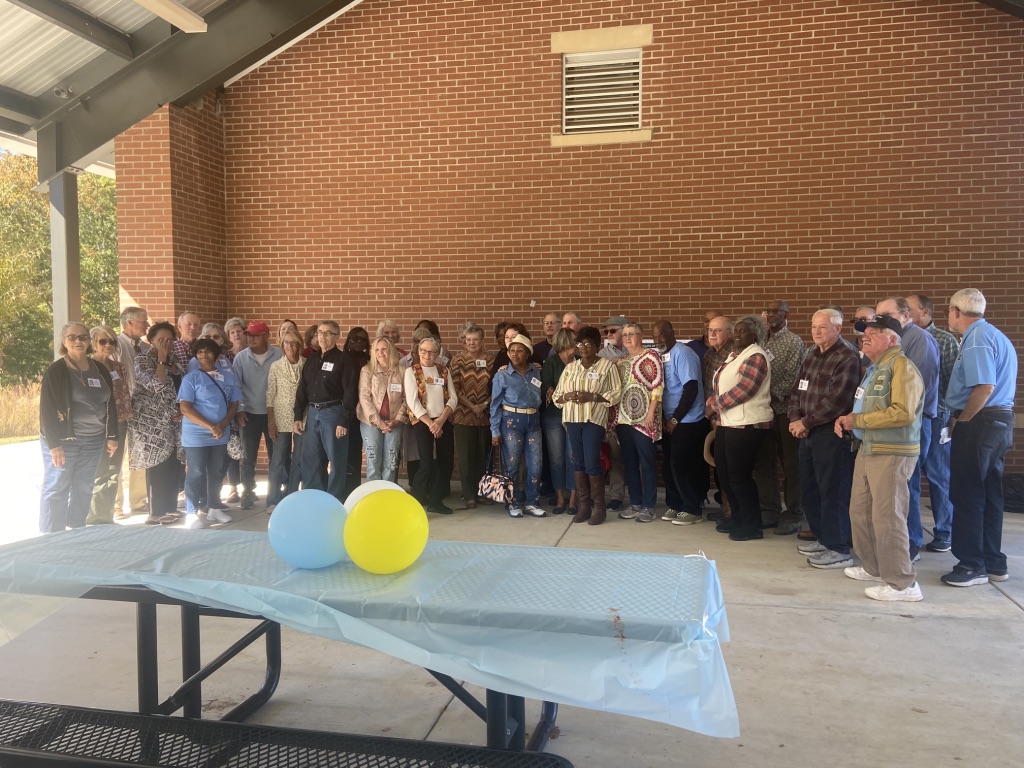
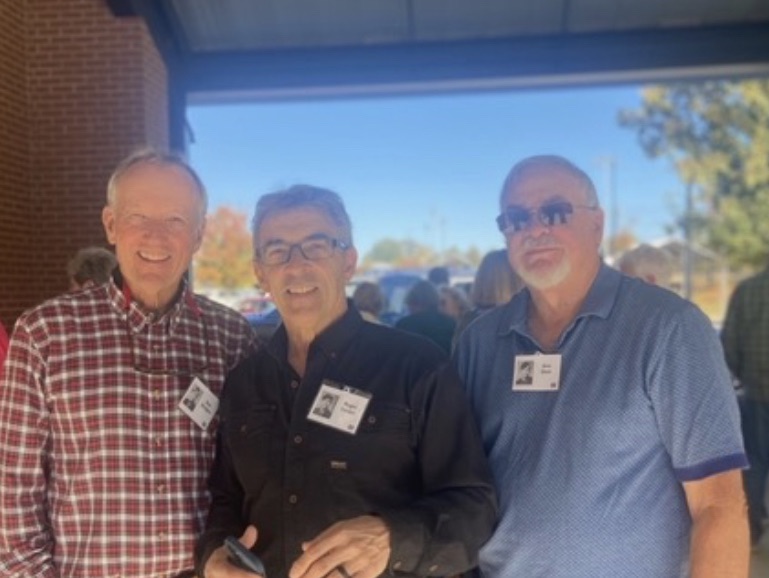
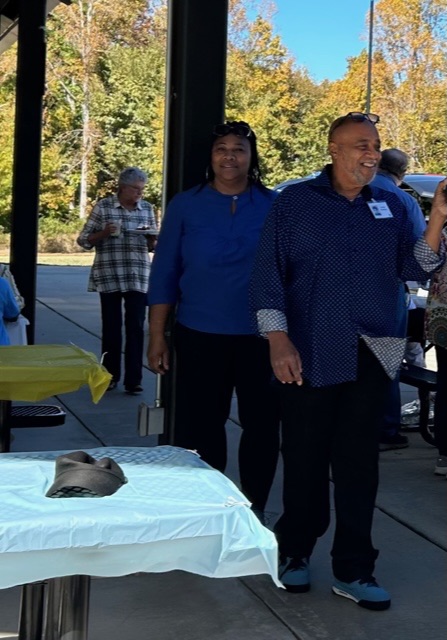
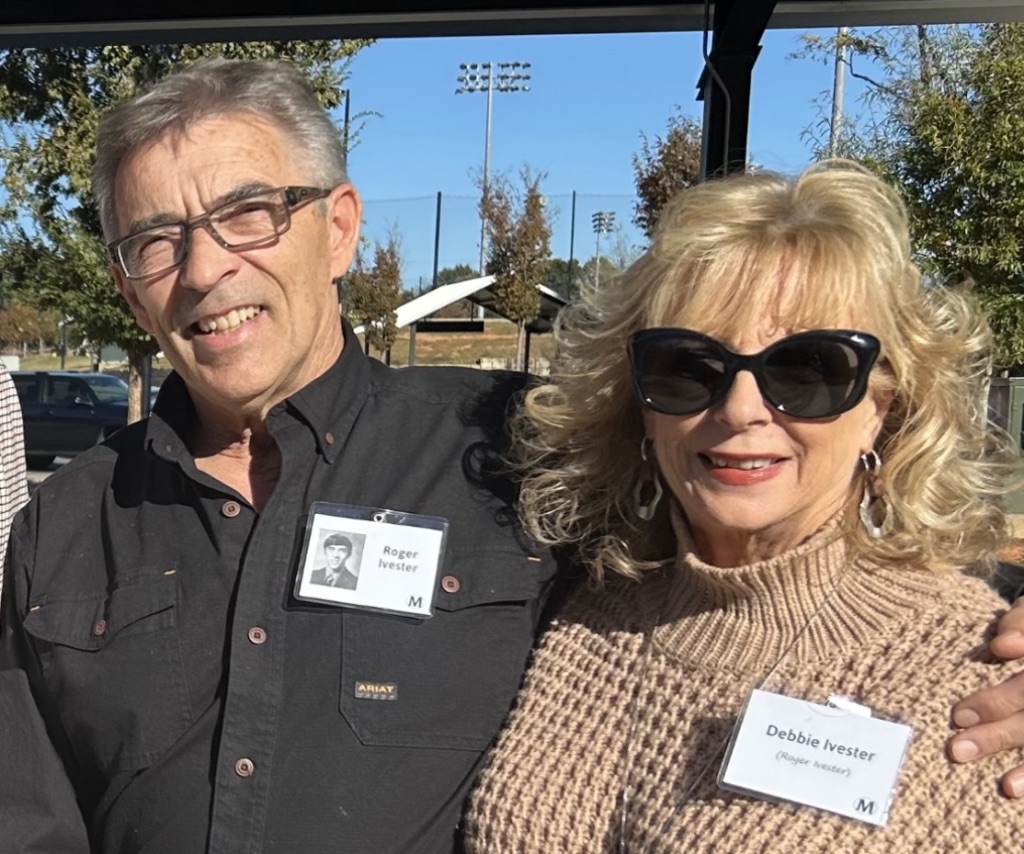
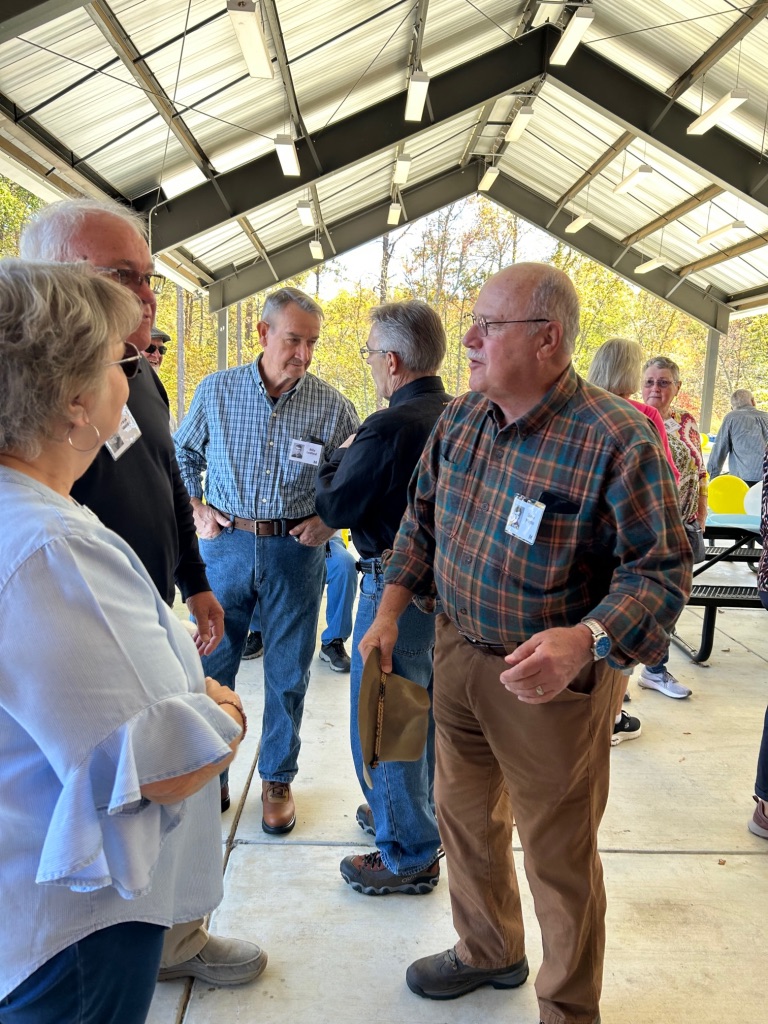
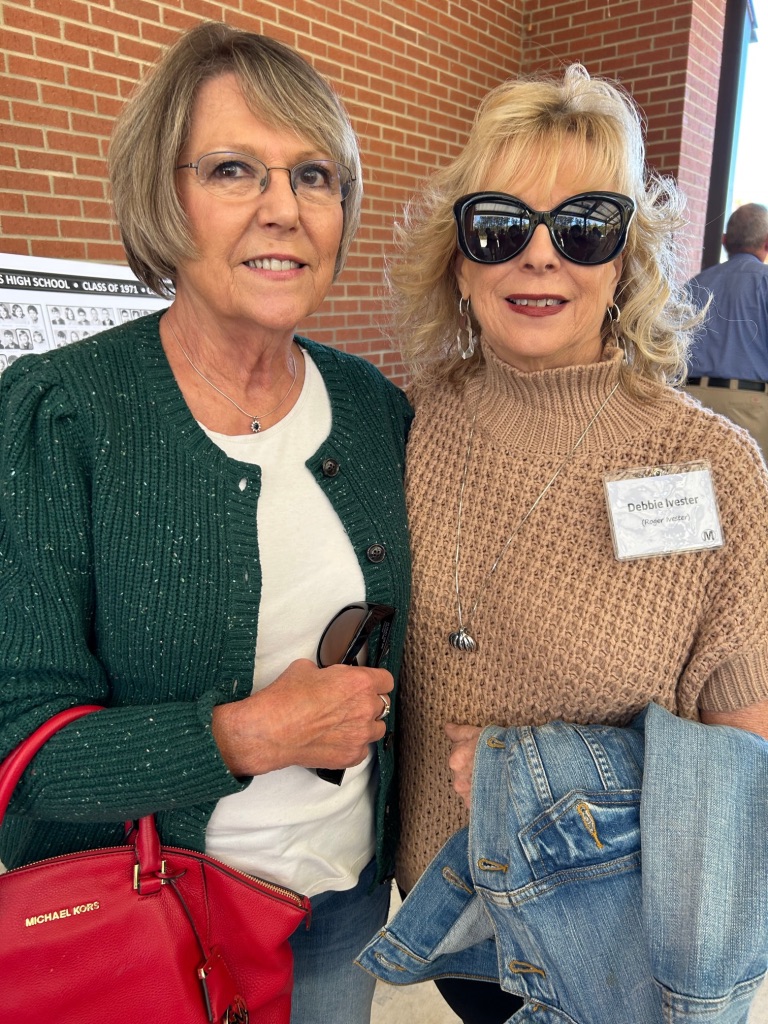
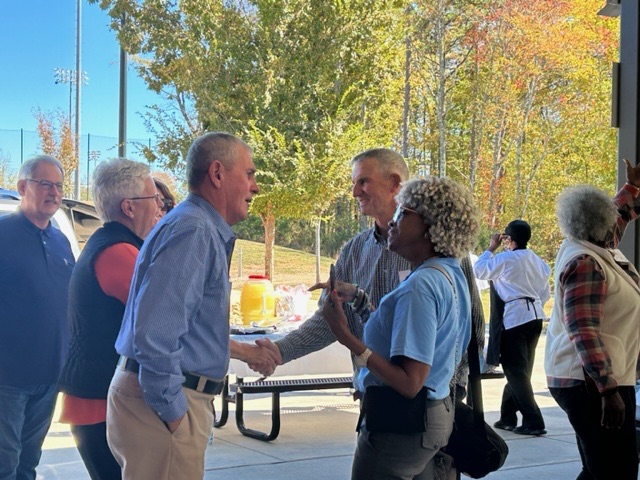
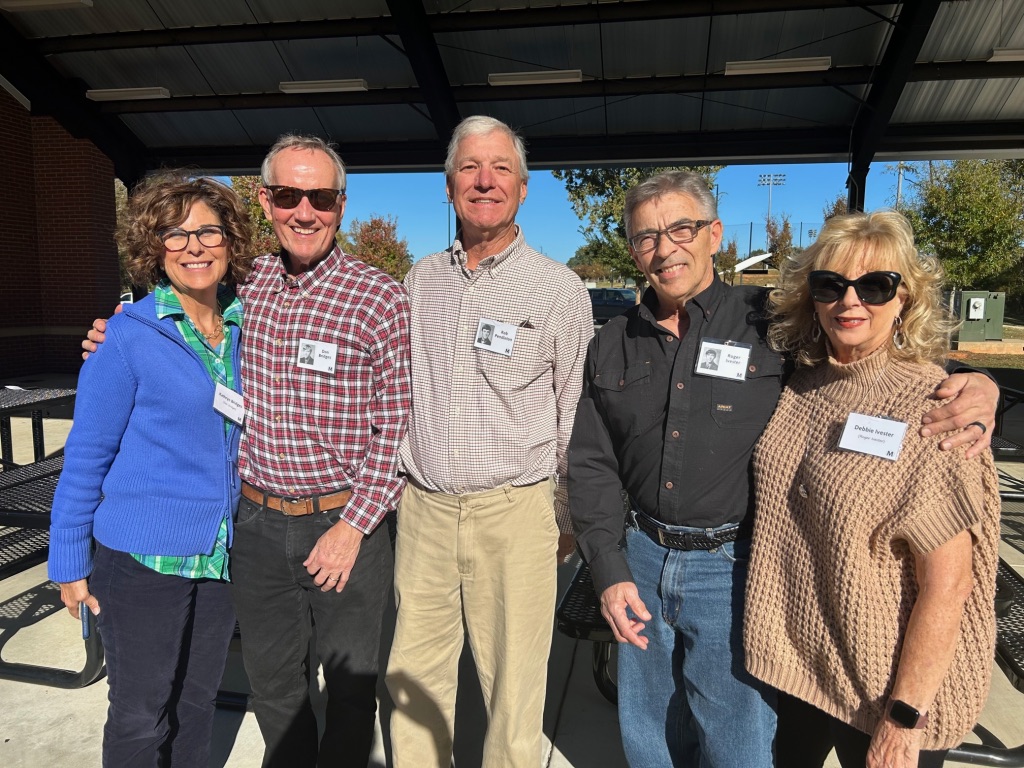
1971 class reunion: October 11th 2025: And a great time was had by all! It was a breezy (windy) and really cool Saturday afternoon.
The 2023 event follows 2025….just keeping scanning down.
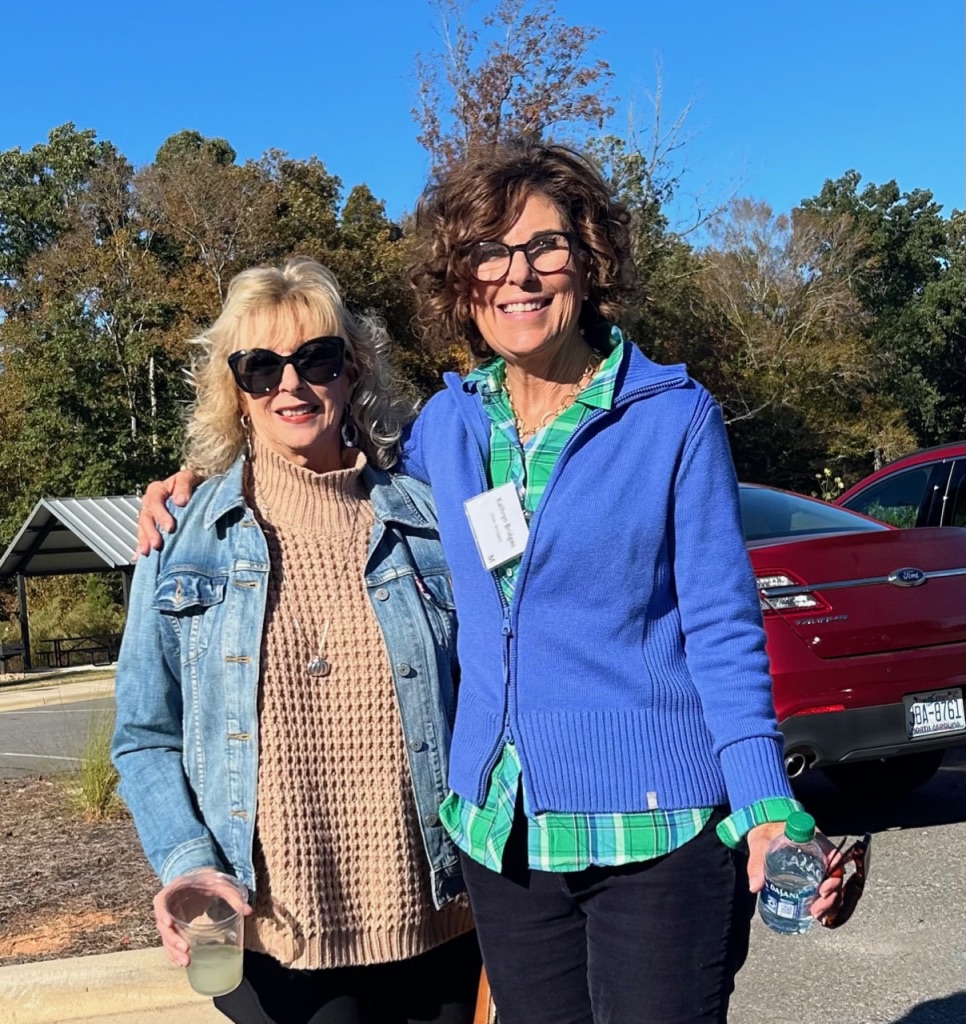
I missed getting a “face-on” picture of Debbie. How was that possible? So, I thought I’d just share a photo of Debbie and Sophie from May 2025.
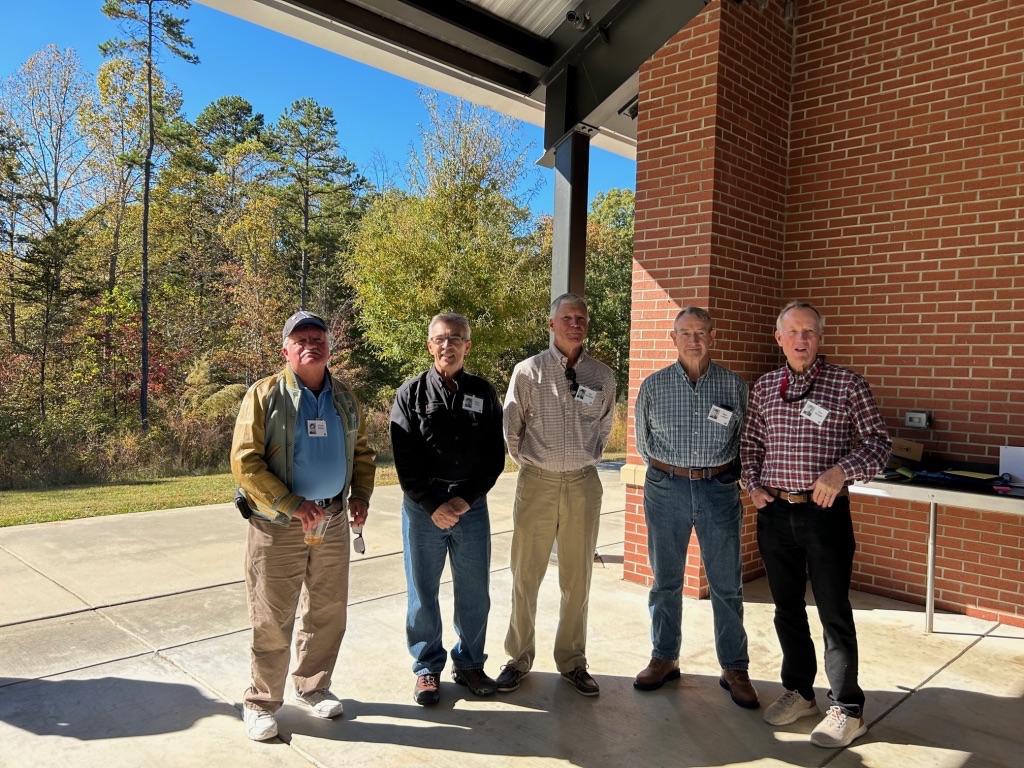
Photos of the 2023 Burns High School class reunion are as following: Much appreciation to Charlotte Sinclaire for taking the lead in organizing this fabulous event. Everything was perfect! A memorable class reunion for sure.
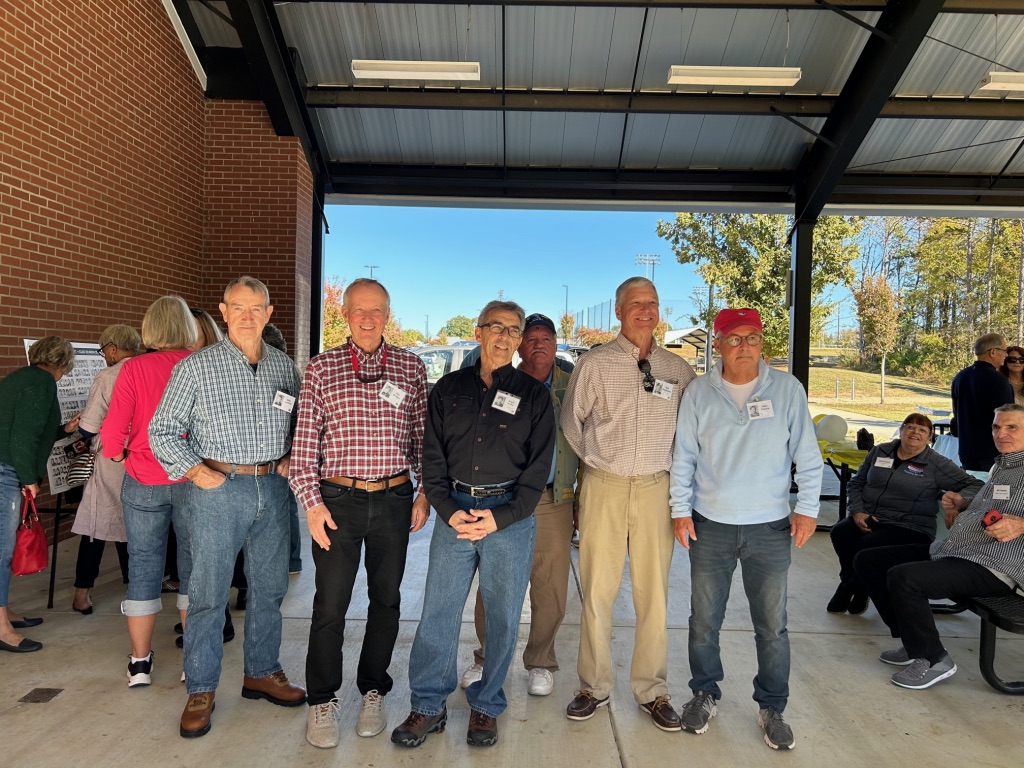
In the following photo…Five guys began 1st grade at Polkville in August 1959, and graduated together at Burns. We were the first class at the new school, and went all four years.
However, after the 5th grade, some of us parted ways for three years, some went to Casar and some went to Piedmont…but back together again at the new Burns High School in the fall of 1967.
Left to right: Charles Melton, Roger Ivester, Rob Pendleton, Bill Ledford and Don Bridges.
Comments:Comments Off on 1971 Burns High Class Reunion: Saturday October 11th 2025 At Hanna Park In Shelby, NC. The 2023 Event Is Also Included: Just Keep Scanning Down
Posted October 19, 2023 by rogerivester Categories:Roger's Articles
Bortle Dark Sky Scale:
The Bortle Dark Sky Scale was developed by John Bortle “based on nearly 50 years of observing experience,” to describe the amount of light pollution in a night sky. It was first published in a 2001 Sky & Telescope article.
Depending on the device you are using, it may be necessary to slide the chart to the right to see in its entirety.
Number Code
Map Color Code
Label
Sky Mag.
Naked Eye Limit Mag.
320mm Limit Mag.
M33 visible?
M31 visible?
Central Galaxy visible?
Zodiacal light visible?
Light Pollution
Clouds
Ground Objects
1
excellent dark sky
22.00–21.99
≥ 7.5
> 17
obvious
.
casts shadows
striking
airglow apparent
.
visible only as silhouettes
2
average dark sky
21.99–21.89
7.0–7.49
16.5
easy with direct vision
.
appears highly structured
bright, faint yellow color
airglow faint
dark everywhere
large near objects vague
3
rural sky
21.89–21.69
6.5–6.99
16.0
easy with averted vision
.
complex structure
obvious
LP on horizon
dark overhead
large distant objects vague
4
rural/suburban transition
21.69–20.49
6.0–6.49
15.5
difficult with averted vision
obvious
only large structures
halfway to zenith
low LP
lit in distance
distant large objects distinct
5
suburban
20.49–19.50
5.5–5.99
14.5–15.0
.
easy with direct vision
washed out
faint
encircling LP
brighter than sky
6
bright suburban
19.50–18.94
5.0–5.49
14.0–14.5
.
easy with averted vision
visible only near zenith
.
LP to 35°
fairly bright
small close objects distinct
7
suburban/urban transition
18.94–18.38
4.5–4.99
14.0
.
difficult with averted vision
invisible
.
LP to zenith
brilliantly lit
.
8
city sky
< 18.38
4.0–4.49
13
.
.
.
.
bright to 35°
.
headlines legible
9
inner city sky
.
≤ 4.0
.
.
.
.
bright at zenith
.
.
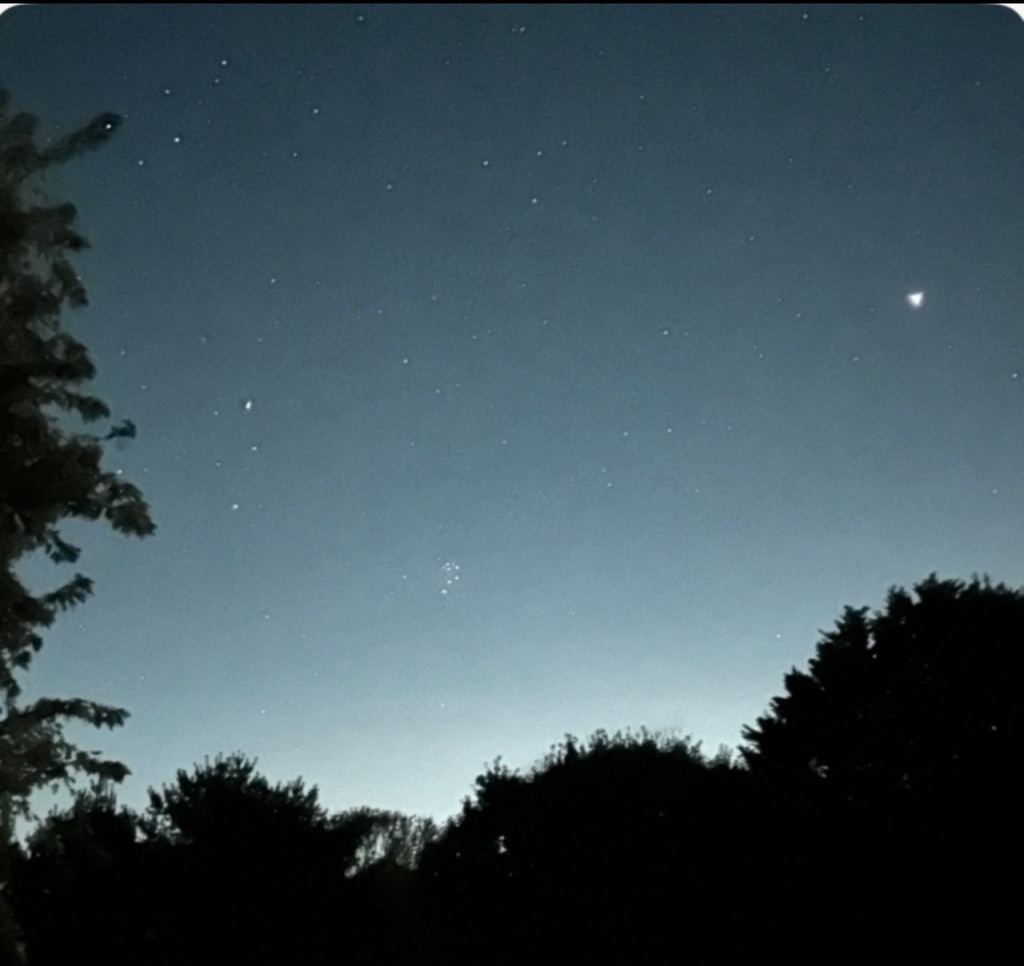
My view to the east (last night @ 9:15 PM, November 18, 2023 from my back deck) showing the light pollution at about 15º above the treetops.
I always try to observe deep-sky objects at least one hour or two from the meridian.
It is difficult to see the Pleiades “visually” at this low altitude. I was using an iPhone 14 “handheld” to make a photo for illustrative purposes.
The Pleiades was my first deep-sky object when I was 12 years old. I remember so well, walking out in my front yard in about mid-November and seeing this cluster rising above the treetops.
At that time, I had no clue as to what this group of stars were.
A year or so later I found out it was the Pleiades, M45 and my interest in amateur astronomy began, which continues to this day. Interesting to note: This was Leslie Peltier’s first deep-sky object also, as probably so many others.
The following photo:
Andromeda is difficult for me visually, and requires averted vision.At the meridian, it can be fairly easy, but averted vision still works best.
The following photo using my phone, presents the galaxy quite a bit brighter than naked-eye.
So, I estimate the Bortle Scale from my backyard to be ~6.5. I think we can all agree, the Bortle scale is not a definitive number, but using this criteria can describe an observing site pretty accurately. I’d say John Bortle developed an excellent, simple and objective measurement system for judging different observing sites, and for comparison with others.
Comments:Comments Off on Light Pollution Is Increasing Everywhere. What Is The Bortle Scale? Use The Following Chart To Determine How Dark Your Observing Site Is
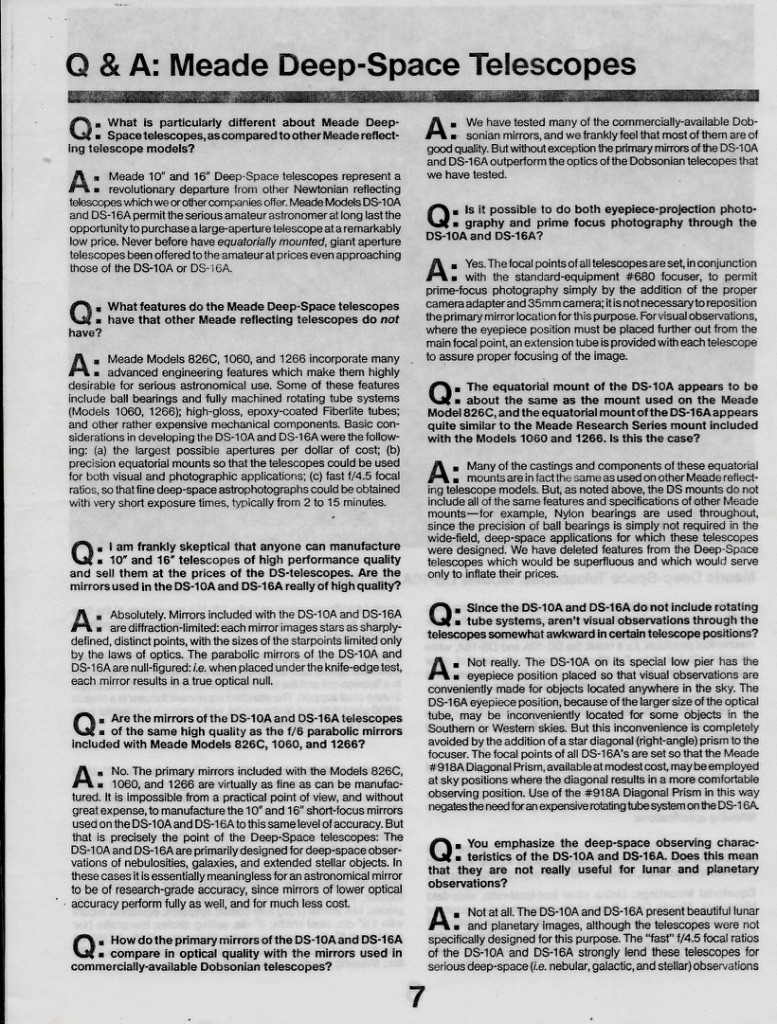
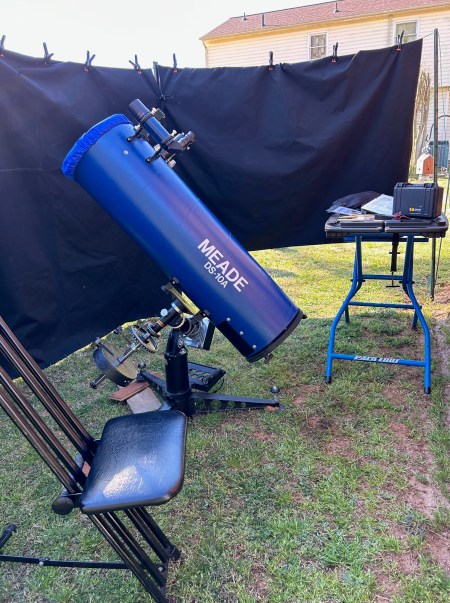
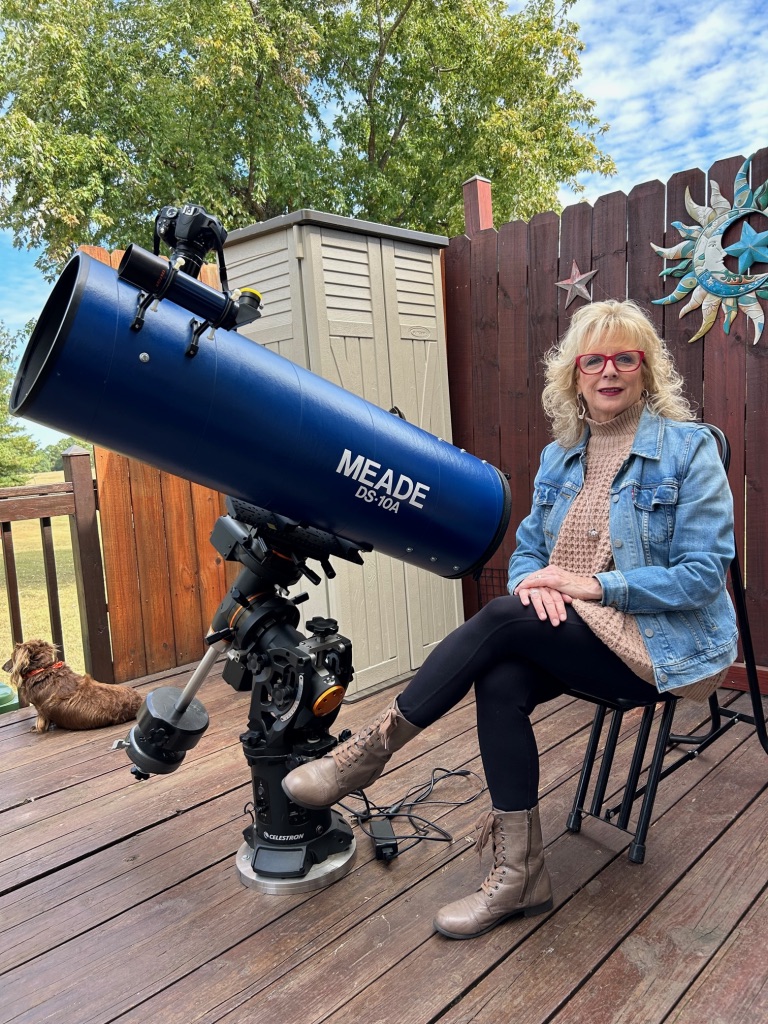
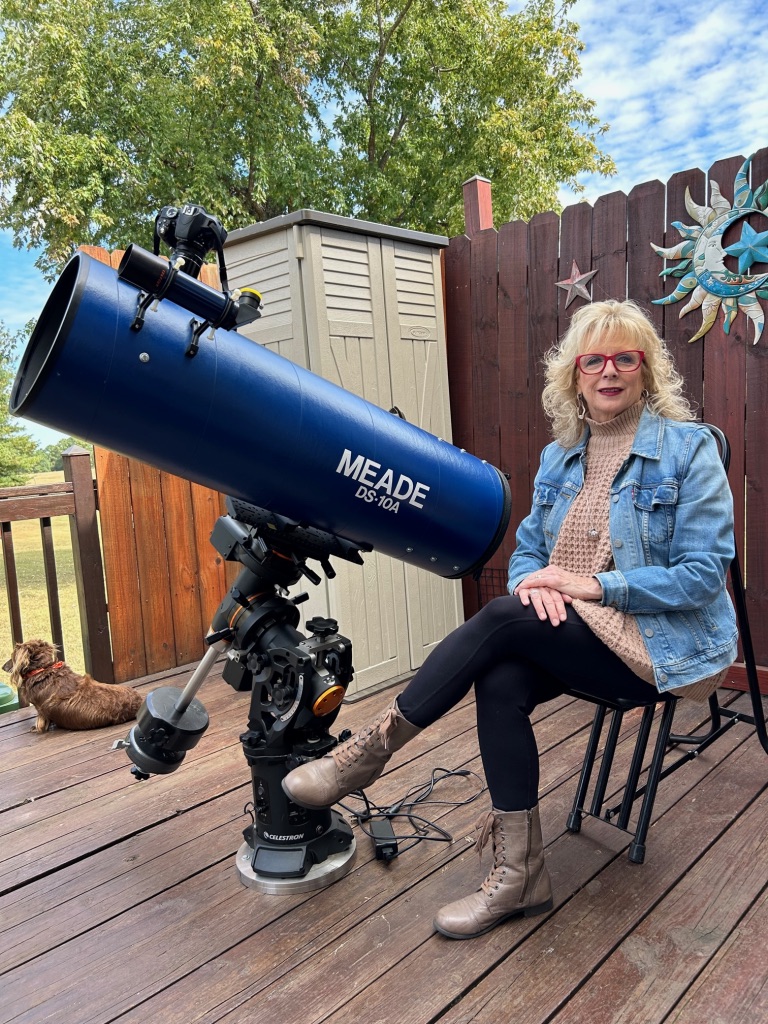
Meade introduced their Deep-Space telescopes in about the early 1980’s which caught my attention in magazine advertisements.
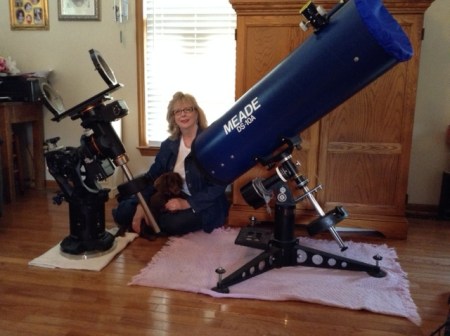
In about 1991, I was began looking for something larger than my 4.5-inch reflector which I was using at that time. The Meade Deep-Space series Newtonian’s consisted of two telescopes: A 10-inch and 16-inch f/4.5 telescopes with equatorial mounts.
This was at a time when Meade was building their serious Newtonian’s in their Costa Mesa, facility, which included grinding and polishing mirrors. All of the hardware, bolts and allen heads on these telescopes and mounts are SAE. (Society of Automotive Engineers)
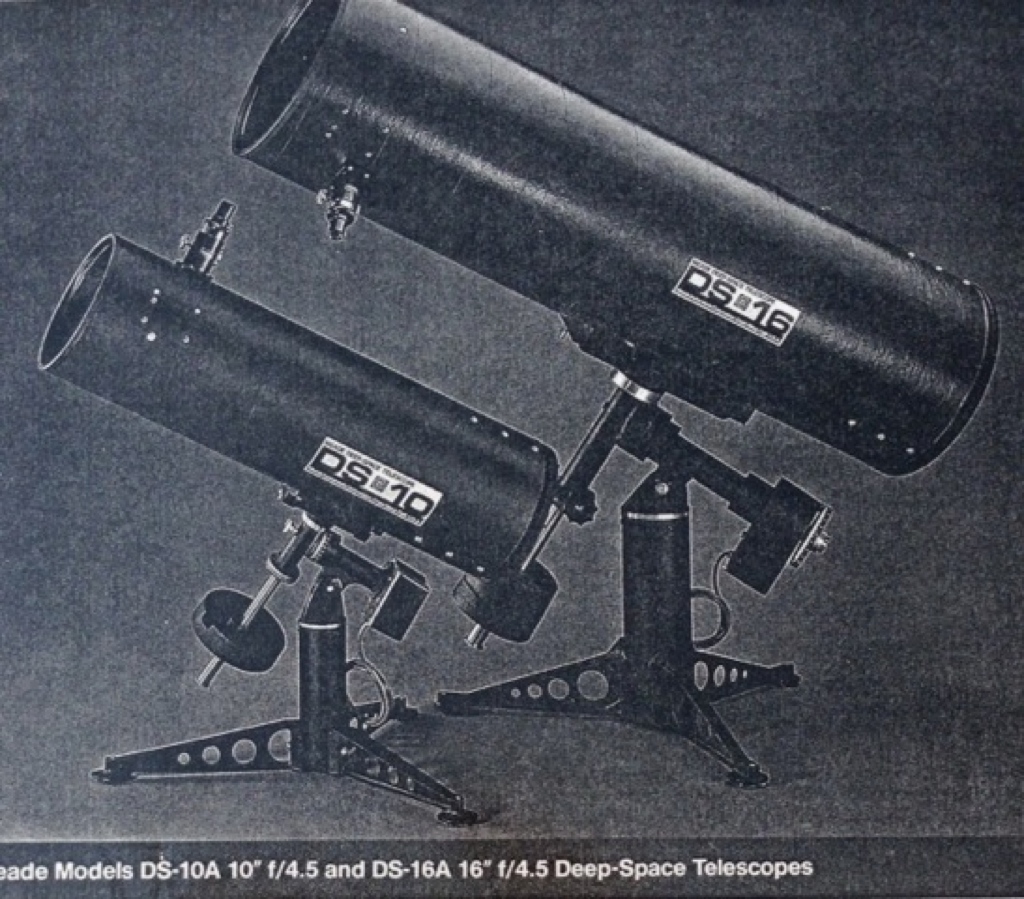
The following is a Meade Deep-Space magazine advertisement from the 1980’s:
My local astronomy club (at that time) had a DS-16 which was a two-person job to set up. I could take the 16-inch and use at any time. However, this thing was a monster, and where would I store this behemoth of a telescope? I didn’t and still don’t have a permanent observatory, and how would I set it up by myself? The 16-inch was definitely not for me! The 10-inch seemed to be the perfect larger aperture telescope and with an equatorial mount. I had always liked the simplicity of a Newtonian, and an equatorial mount was a must.
Astronomy Magazine test and evaluation:
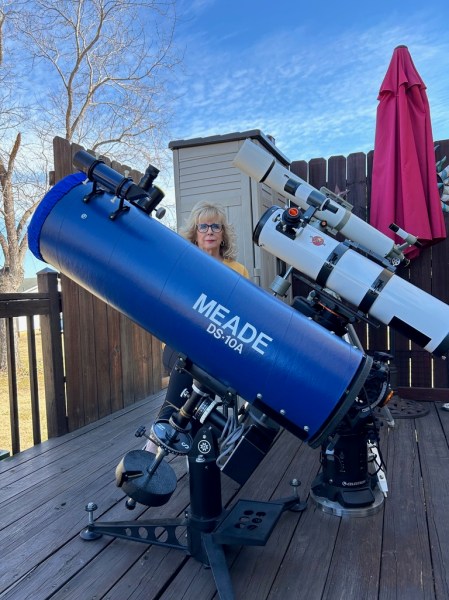
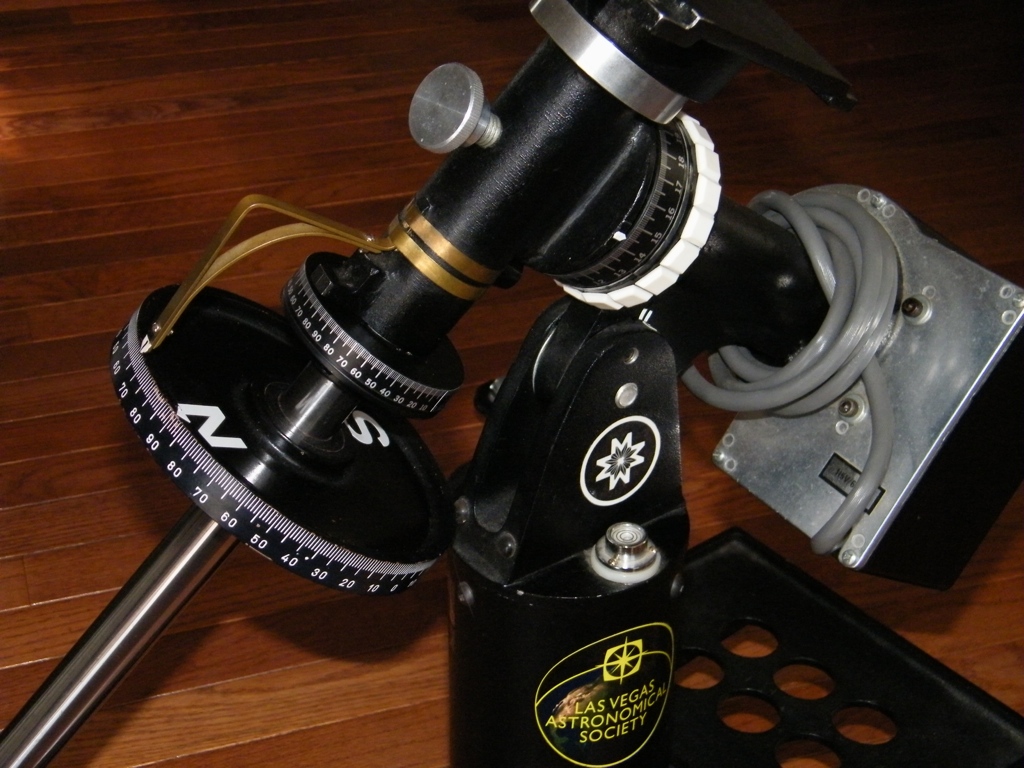
Astronomy Magazine tested a 10-inch DS-10A (The 10A was an updated version with a 2-inch focuser, setting circles and RA drive) with the magazine giving the test mirror a rating of a B+.
So, in February 1992, I purchased the 10-inch from Pauli’s Wholesale Optics, in Danbury Connecticut. It was Fred (the owner of Pauli’s) that recommended this telescope. And after more than 1,500 deep-sky pencil sketches and thousands of observing notes…obviously I picked the perfect telescope.
The low pedestal mount is ideal for use with an astro-chair, when making observing notes and pencil sketches at the eyepiece. As for me, it’s impossible to observe and sketch while standing.
Note: This is the telescope I used for most all of the ~250 deep-sky objects, as featured in the 185 months of the observer’s Challenge report. And for the last five years I co-authored the report with Sue French who gained astronomy notoriety and fame with S&T and her “Deep-Sky Wonders.” After more than 15 years…the last report was issued in June 2024…
I fabricated the brass declination index-pointer (without making any permanent modifications) to use with the 6-inch Parks circle. With a reasonable polar alignment, the setting circles are very accurate, and perfect for locating deep-sky objects from a light-polluted suburban backyard.
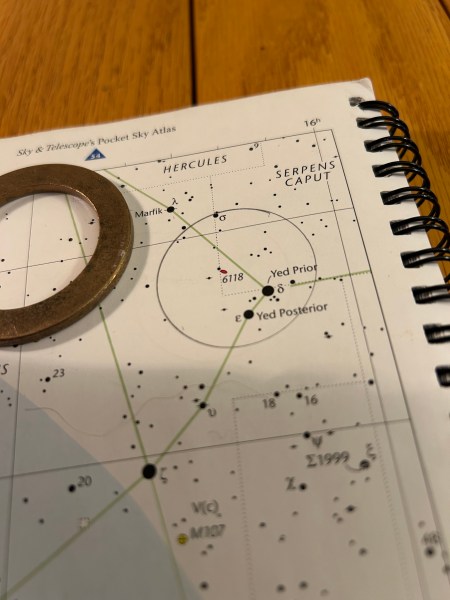
For the faintest of deep-sky objects, I assist the setting circles with a star atlas:
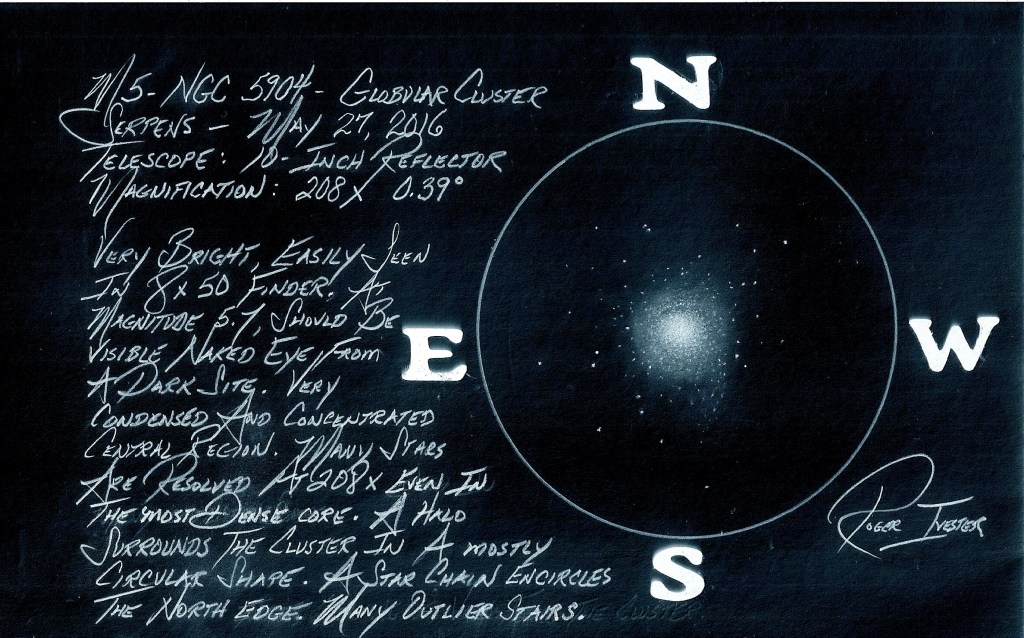
A sample of my sketches, using only a pencil, and a 5 x 8 blank notecard. My “humble sketches” are all raw sketches, as they appear to me through the eyepiece, without any computer enhancements. I try to make my sketches as accurate as possible, without any embellishments.
IC 5146 “The Cocoon Nebula” In Cygnus:
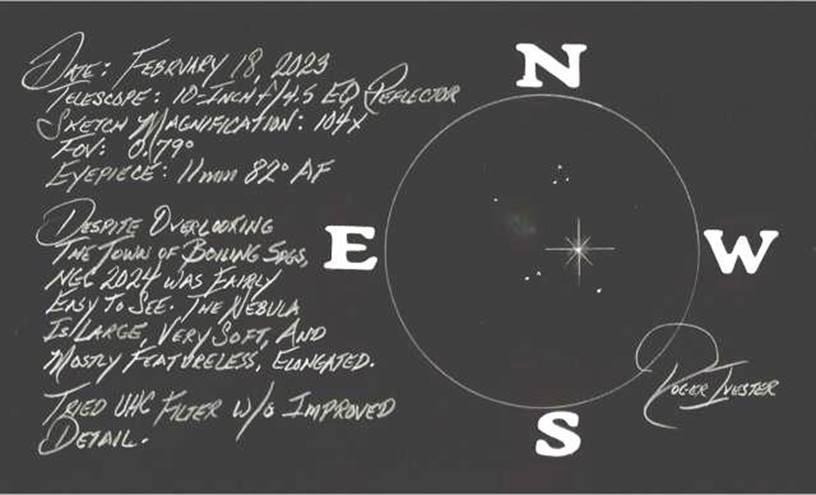
NGC 2024 Nebula in Orion
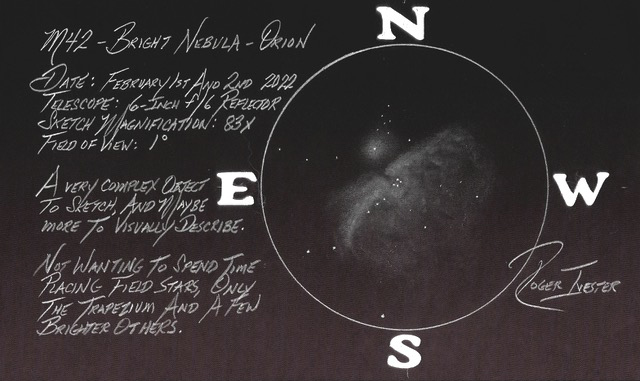
M42: Orion Nebula Complex
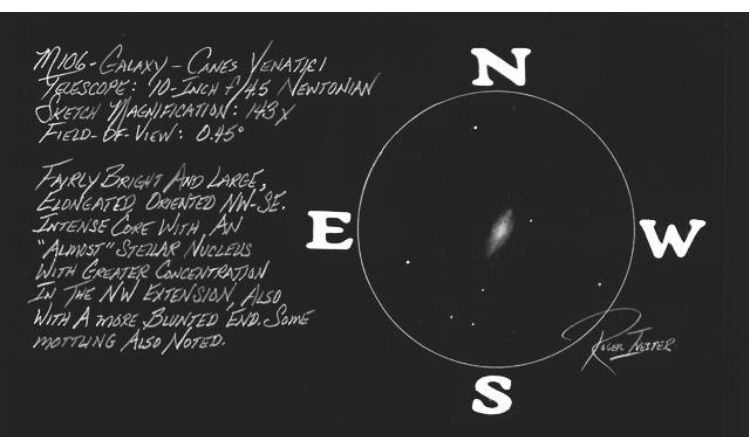
M106 Galaxy in Canes Venatici
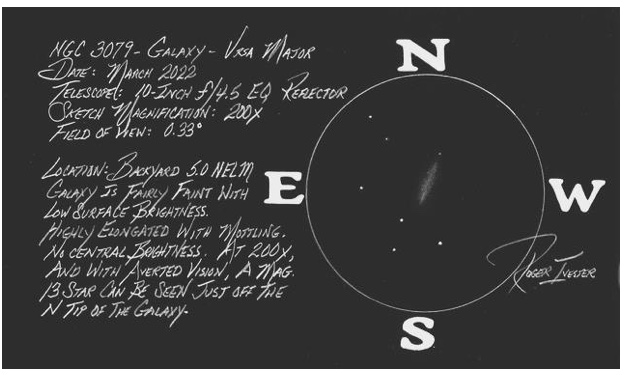
NGC 3079 Galaxy in Ursa Major
Messier 85 and NGC 4394
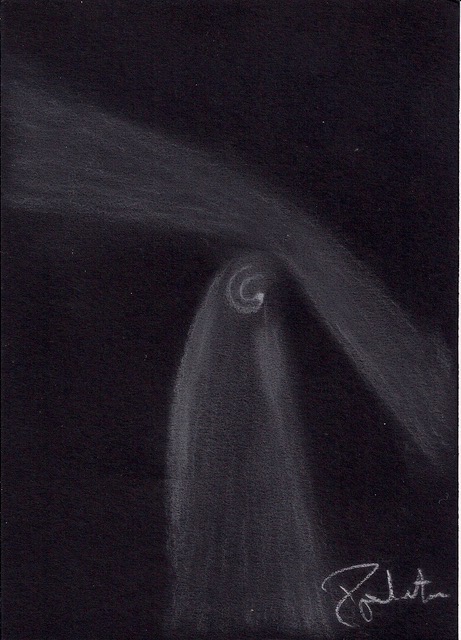
Comet Hale-Bopp: Charcoal pencil on black card stock, showing all three-tales; the gas tail, dust and anti-tail.April 1997
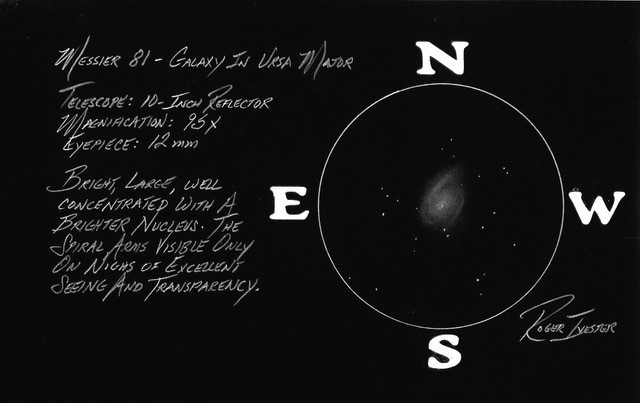
Messier 81 with spiral arms
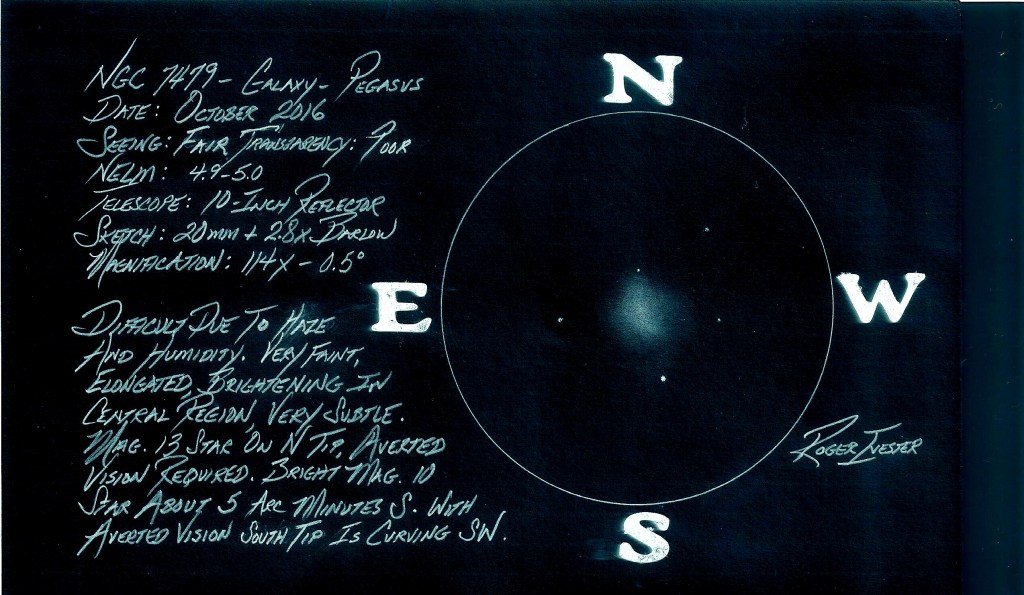
NGC 7479 Galaxy in Pegasus
The Rosette Nebula
Messier 33
Comments:Comments Off on Meade Deep-Space Telescopes Manufactured From The 80’s Through The Early 1990’s
Posted October 12, 2023 by rogerivester Categories:Roger's Articles
I continue to ride, but “absolutely certain” I’ll not be able to ride another 100,000 miles. My rides in recent years are quite a bit shorter and much slower, but more fun.
Comments:Comments Off on October 11, 2023: 15 Years Ago I Achieved My 100,000 Miles With A Celebration Following At The Broad River Coffee Shop. I Appreciated Debbie Putting It Together…
Posted October 9, 2023 by rogerivester Categories:Roger's Articles
Date: October 9th 2023:
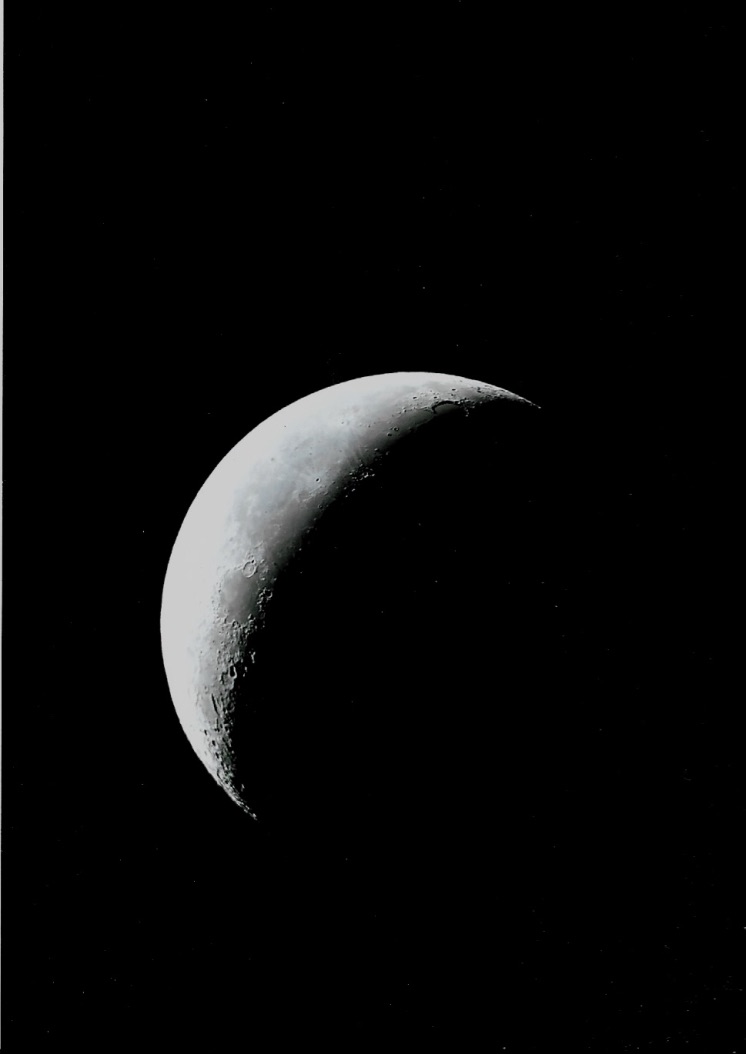
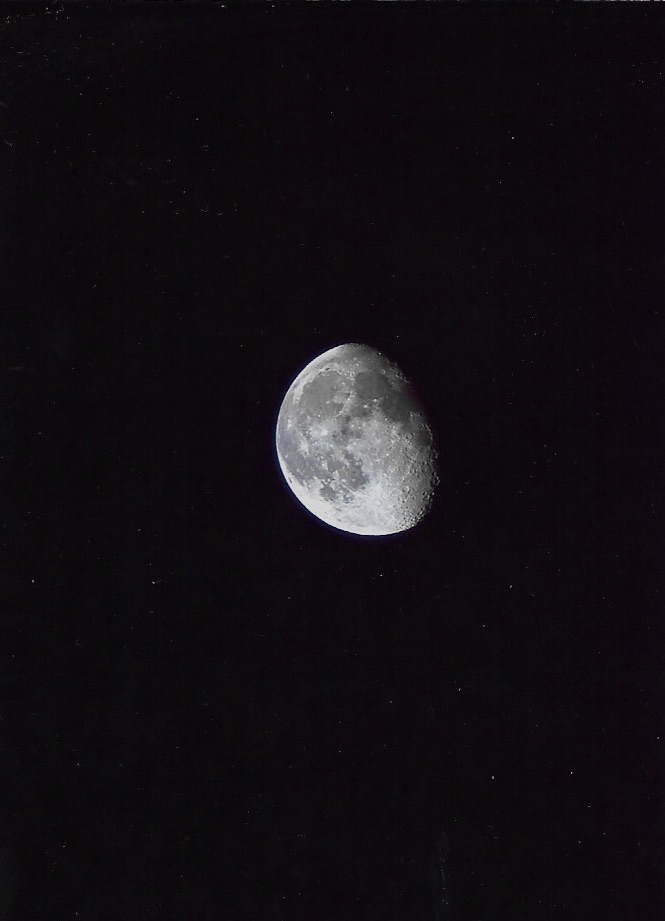
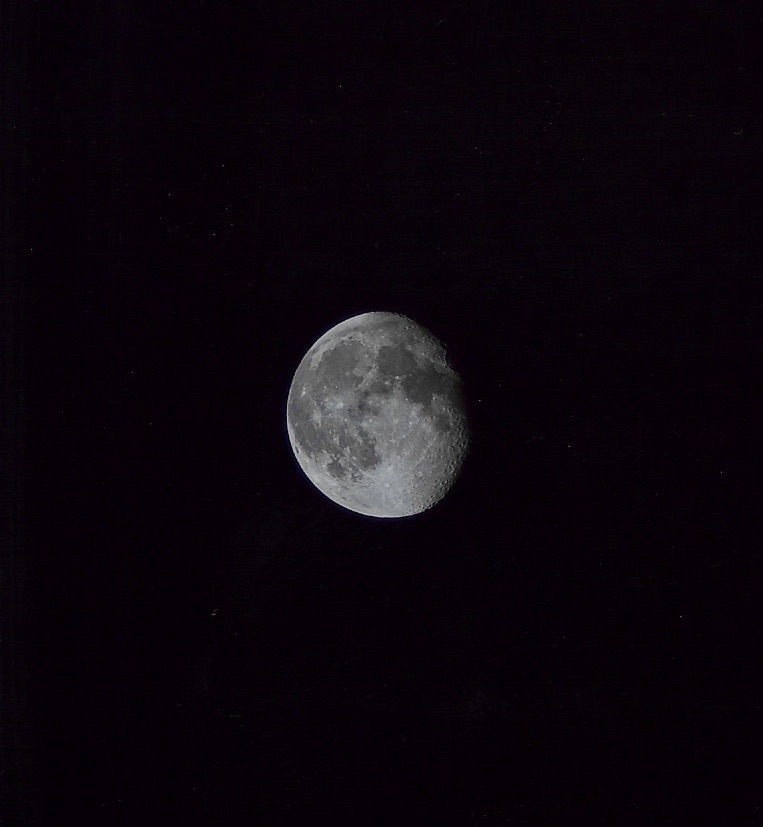
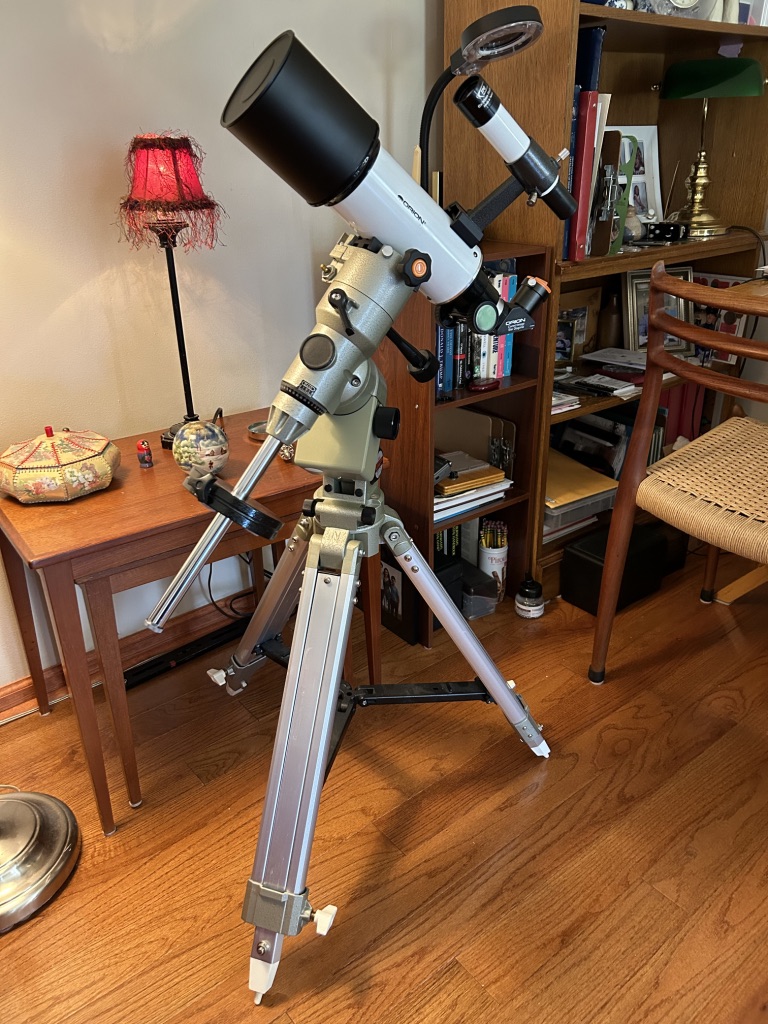
I’ve went from an 80mm f/5 refractor to this 10-inch Newtonian in just a matter of days. So, I’m proud of the progress I’ve make, from never using a camera with a telescope, to “at least” an image of the moon. And all within a week!
I changed some settings on my camera, something I’d never done before. It had been set on ISO 100, for my everyday snapshots, and changed to ISO 400this morningfor this moon shot.I was amazed how much brighter the moon was when focusing through the camera using this 10-inch versus the 80mm refractor.
For sure a lot easier to focus with the brighter view due to the size of the telescope.
The field using this telescope is really narrow and small as this photo shows. Now I’ve got to figure out how to set the “exposure time” for some small and bright deep-sky objects.
I’m actually amazed that I could do this...and hopefully more and better to come. Debbie
Comments:Comments Off on Another First For Me: Using A 10-inch Newtonian f/4.5 For A Photo Of The Waning Crescent Moon At 6:00 AM This Morning: By Debbie Ivester
Posted October 5, 2023 by rogerivester Categories:Roger's Articles
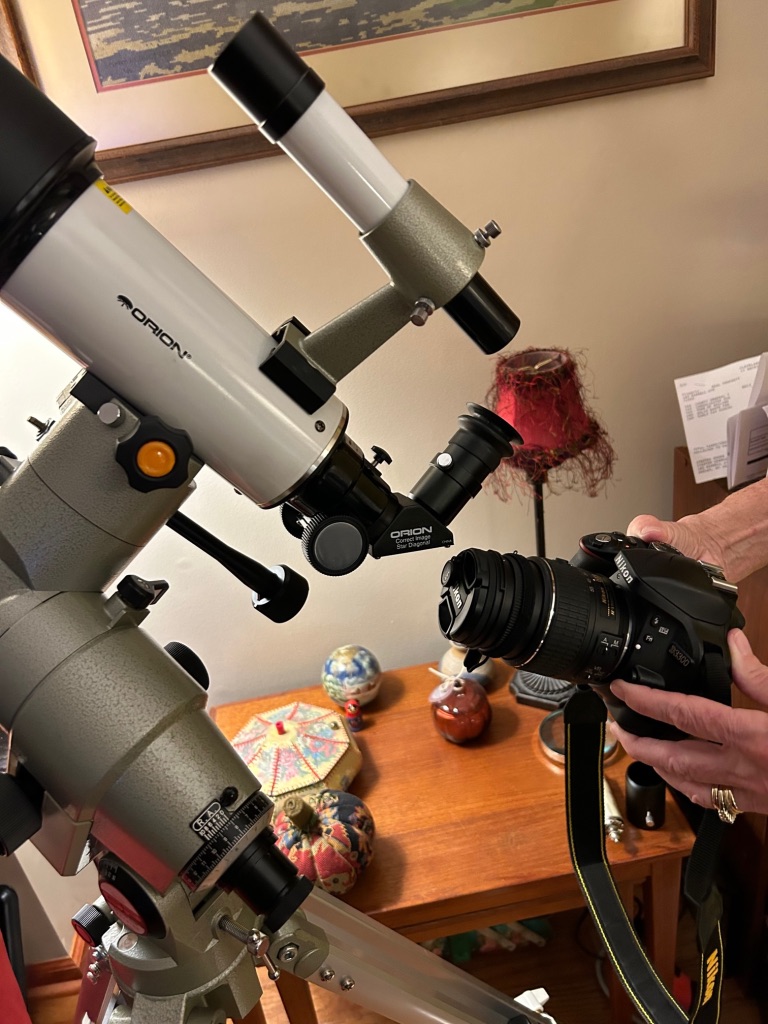
Telescope: 80mm: 400mm Focal Length: f/5
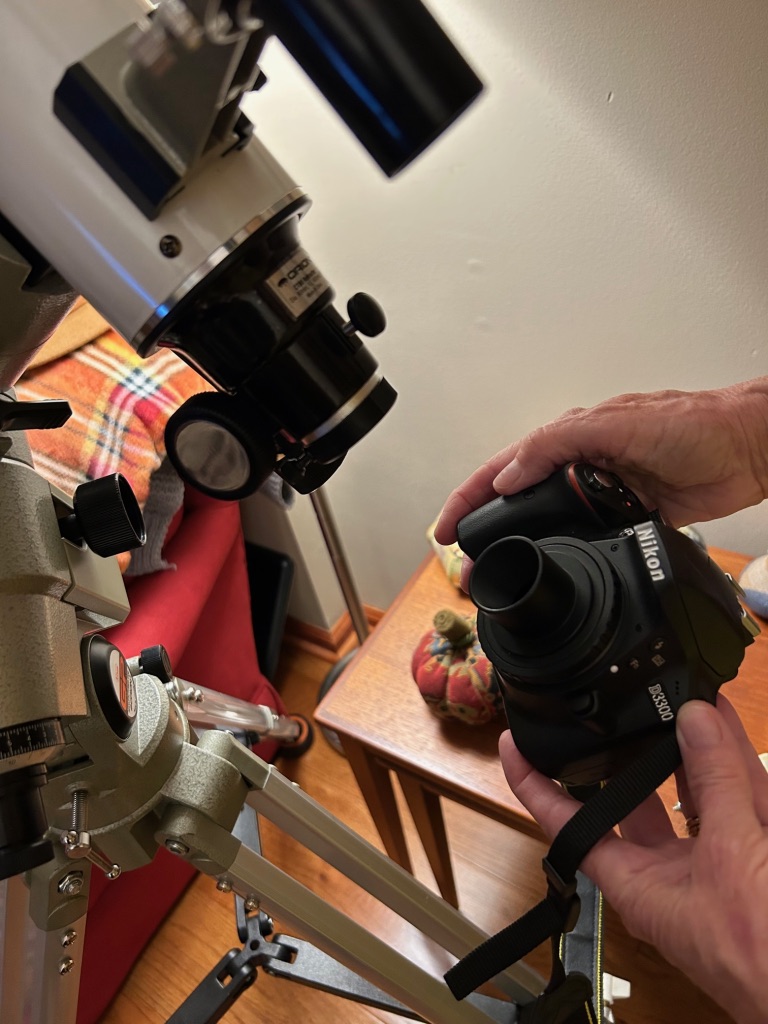
Camera: Nikon D3300
Nikon T-Adaptor
Camera Setting: Manual
Vixen GP Equatorial Mount
The following photo was made after sunrise
Nikon T-Adaptor
I also made a photo as following using a 10-inch f/4.5 EQ telescope. Roger had using this telescope during an early morning 4:00 AM observing session of a galaxy. So, before bringing it back into the house, he suggested I try a moon photo with this telescope. This is my photo.
Comments:Comments Off on My First Moon Photos Using A DSLR Camera, And How I Made Them: By Debbie Ivester
Posted September 23, 2023 by rogerivester Categories:Roger's Articles
The following solar project wassuggested by Tom English:
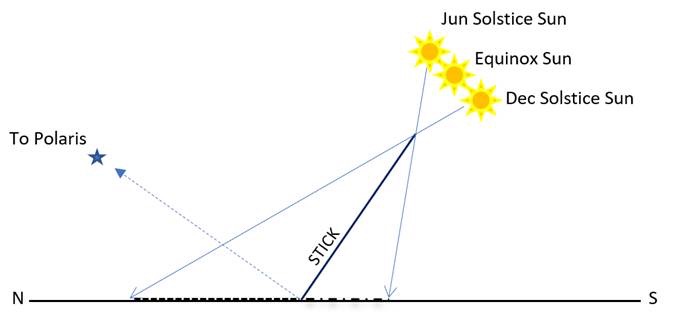
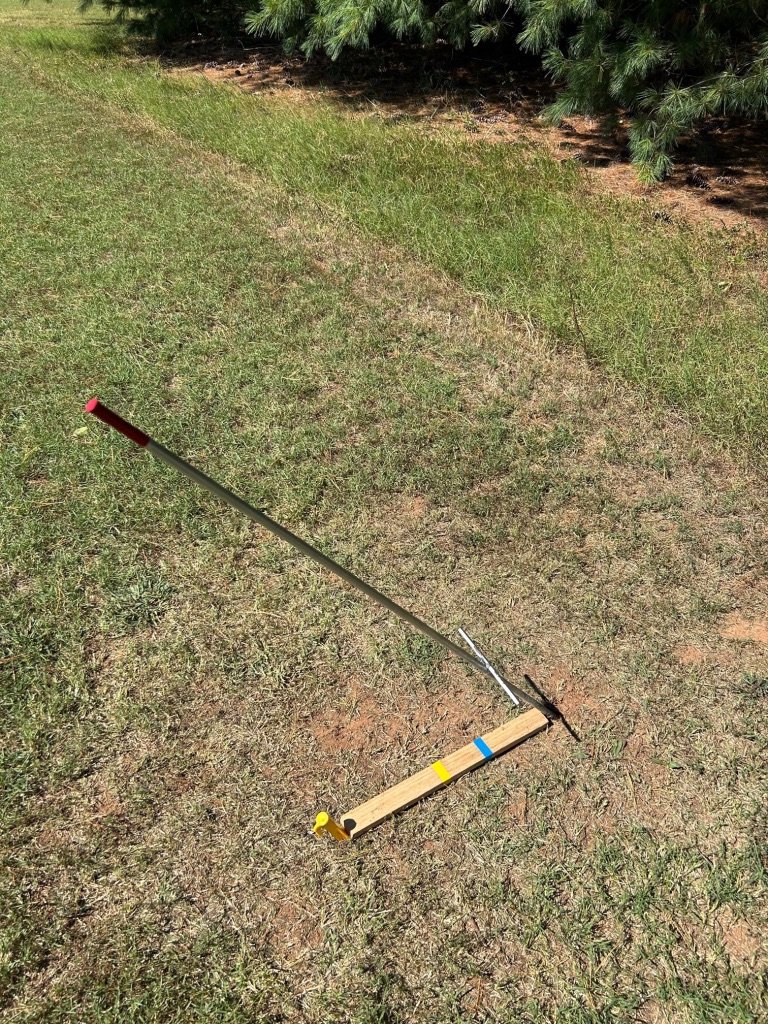
Place a straight pole into the ground, facing due south, and at an angle of 55 degrees:
Then on the two equinoxes (the first day of spring, and the first day of fall) the sun will cast no shadow, as the sun will be shining directly down the steel rod.
Note: Tom was formerly an astronomy and physics professor at Gardner-Webb University for many years, but now teaches in Greensboro. However, we still stay in touch.
During more than a decade, we spent many nights in my backyard with telescopes, enjoying observing galaxies, nebulae and star clusters. Tom would often bring an 8-inch Celestron Orange-Tube SC telescope, and we’d compare views with my 10-inch Newtonian.
So, on June 21st, 2023 (Summer Solstice) the shadow will cast its greatest extent southward, and on the Winter Solstice (December 22nd 2023) the shadow will cast its greatest extent northward on the stick.
My latitude in North Carolina: The Latitude is 35º 15 mins
So a simple calculation to determine the angle of the rod.
(90º – 35º) = 55º
Debbie using an angle finder to determine 55º.
The angle of the rod is toward the South at 55º. So draw a line, with the post, going South to North.
Note the shadow: It will be increasing, each day, and getting shorter, until September 23rd, when there will be no shadow, as the sun will be “pointing directly down” the rod.
At 1:00 PM EDT, today (September 22nd) a photo was made, and indeed showing no shadow, as the sun was shining directly down the steel rod.September 22nd or 23rd…close enough.
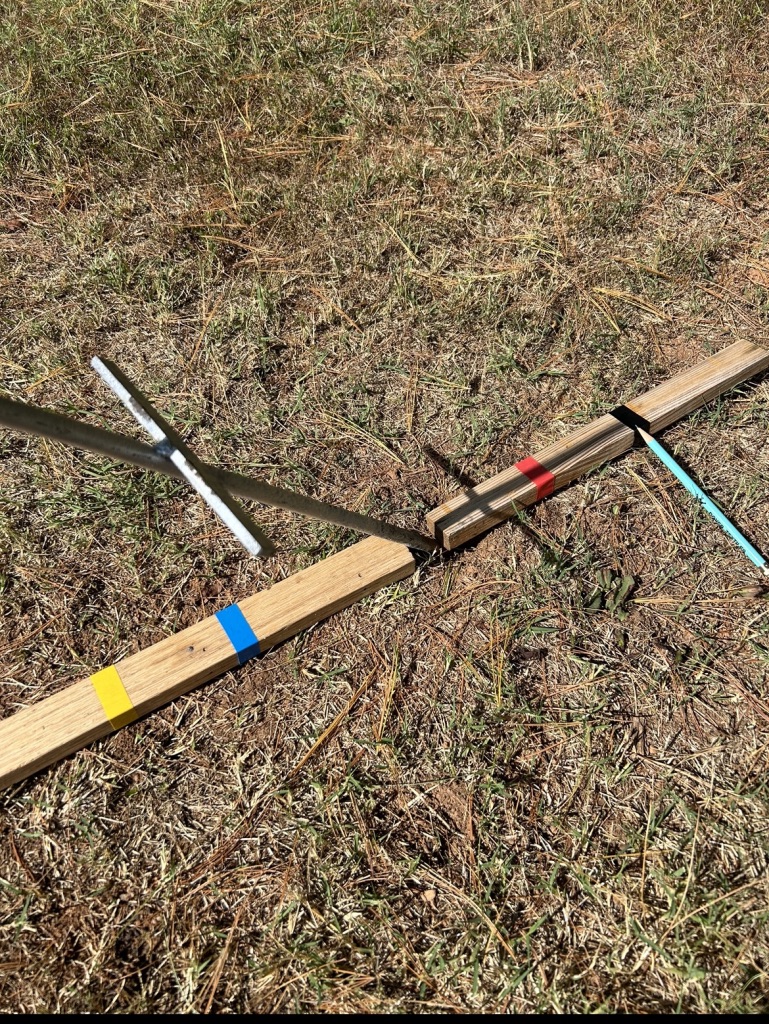
The following photo:
The yellow mark indicated the sun shadow on August 24th, and the position of the sun shadows on different days following.
The red mark was made on October 4th.
The black mark was made on October 13th 2023.Note the rapid movement of the sun heading south in less than two weeks!
Note: The crossbar on the rod is for pushing in the ground with my foot, and nothing more.
Comments:Comments Off on The First Day Of Fall, But What Does It Mean? On September 23rd, 2023 The Sun Begins Its Annual Trek Back Toward The Southern Hemisphere. This Changes The Angle Of The Sun, Cooling The Northern Hemisphere, Leaving Summer, Bringing Cooler Weather And Then Winter.
Recent Comments