The 2017 Total Solar Eclipse from Laurens, South Carolina A Great And Memorable Day

Posted August 26, 2017 by rogerivester
Categories: Roger's Articles

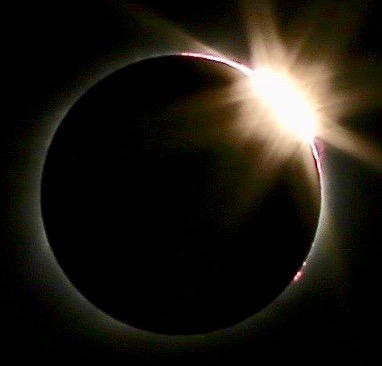
Image of the eclipse, the diamond ring, and Bailey’s beads provided by Barre Spencer and Patrick White using a Canon Rebel with a 200 mm zoom lens.  Location of photo:  Columbia, SC 

(s) Diamond / Baily's Beads 9

A group of folks from various places met outside of an Italian restaurant to enjoy the solar eclipse together.  We were all surprised how few came to this quaint little town to observe this historic event.  The totality duration was ~ 2 mins  34 seconds, and with perfect weather!    

Very comfortable weather, with very low humidity.  Yes…a perfect day, and only 40 miles away from our house.  We drove some back roads, and crossed over I-85, that was bumper-to-bumper.  It actually looked like a parking lot for as far as the eye could see.

The I-85 event reminded me of the day that Deb and I tried to get on the Santa Monica Freeway, in California.  We actually had to pull an illegal turn at the top of the ramp!  

During totality the sky darkened to a surprising level, but not as dark as a clear full moon night. Venus appeared very bright in the western sky and Jupiter in the southeast.  I could not see any stars….naked eye.  

Both Debbie and I were amazed at the sudden flash of the diamond ring.  (See the image above) 

The temperature drop was very significant.  A weather bureau report from Newberry, SC, only 30 miles away, also in the line of totality, had a temperature drop of 11º Fahrenheit .  

I had always wondered what the temperature drop could be during a total solar eclipse, so now I know.

When the sun began to reemerge, we noticed a shimmering of light waves on the pavement under our feet and all around us, known as shadow bands.  A very interesting phenomenon, that I was hoping we’d see, and we did! 

I’m just sorry that I didn’t video a few seconds of the shadow bands, however, they are forever  stored in my mind.  I can just see them now! 

We drove back through country roads and were home in less than 45 minutes.  What an incredible and memorable day.  

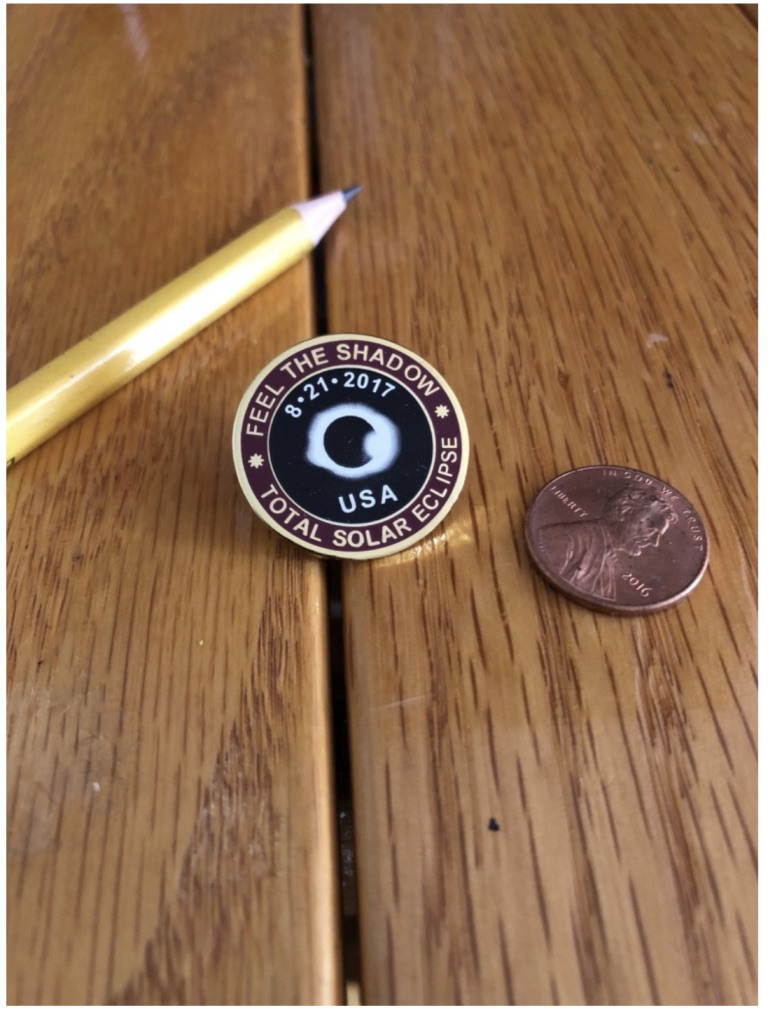
And thanks to John Goss, President of the Astronomical League at that time, sent both Debbie and myself, a very nice and high quality lapel pin.  I wear it often to this day. 

Regarding the 2017 Total Solar Eclipse:  We enjoyed the moment, and the events taking place all around us.

IMG_8976

2017 Astronomical League Total Solar Eclipse Lapel Pin:

Note my 2017 eclipse pin only recently.

Remembering Comet Hale-Bopp March 1997:

Posted August 14, 2017 by rogerivester
Categories: Roger's Articles


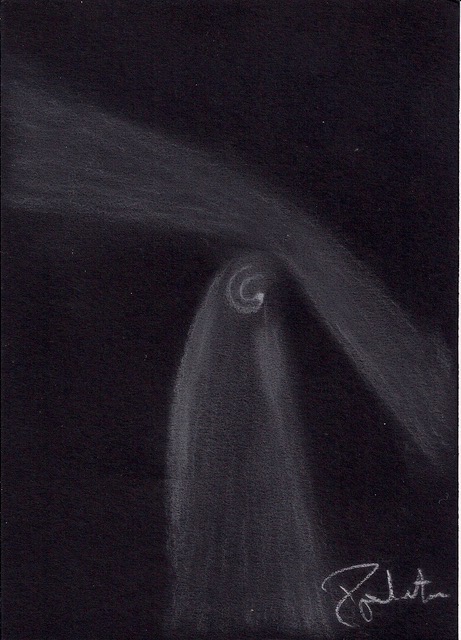
Comet Hale-Bopp  
March 1997
10-Inch Newtonian Reflector
Magnification: 160x
FOV: 0.38º

White charcoal pencil sketch as following on black card stock.  The three tails are visible:  The anti-tail, the ion or gas tail and the dust tail are clearly visible.   Roger Ivester (North Carolina)  

 
Image


The following sketch by Sue French:  New York  

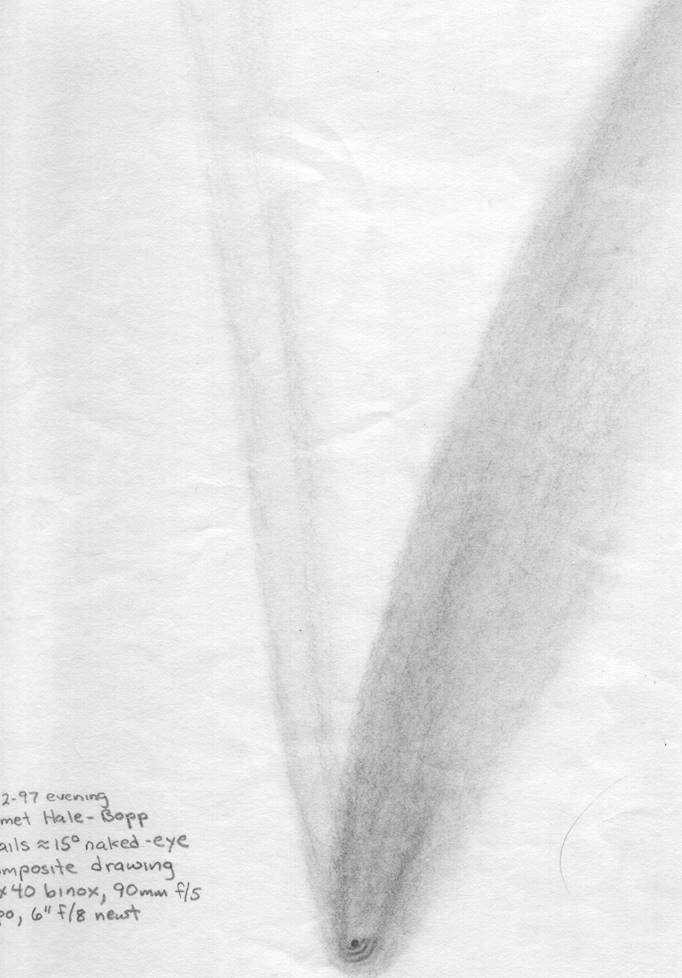
Unfortunately, the sketch is actually larger than our scanner can copy, so some of the comet is cut off.  The sketch was made on 4/2/1997.  The tail was about 15° long to the naked eye.  To get the tail and the core detail in the same sketch, I used three different instruments: 8×40 binoculars, a 90mm refractor, and a 6-inch reflector. 


After 17 years, my observing partner passed away. Her name was CJ, and Astronomy from my backyard will never be the same.

Posted March 14, 2017 by rogerivester
Categories: Roger's Articles

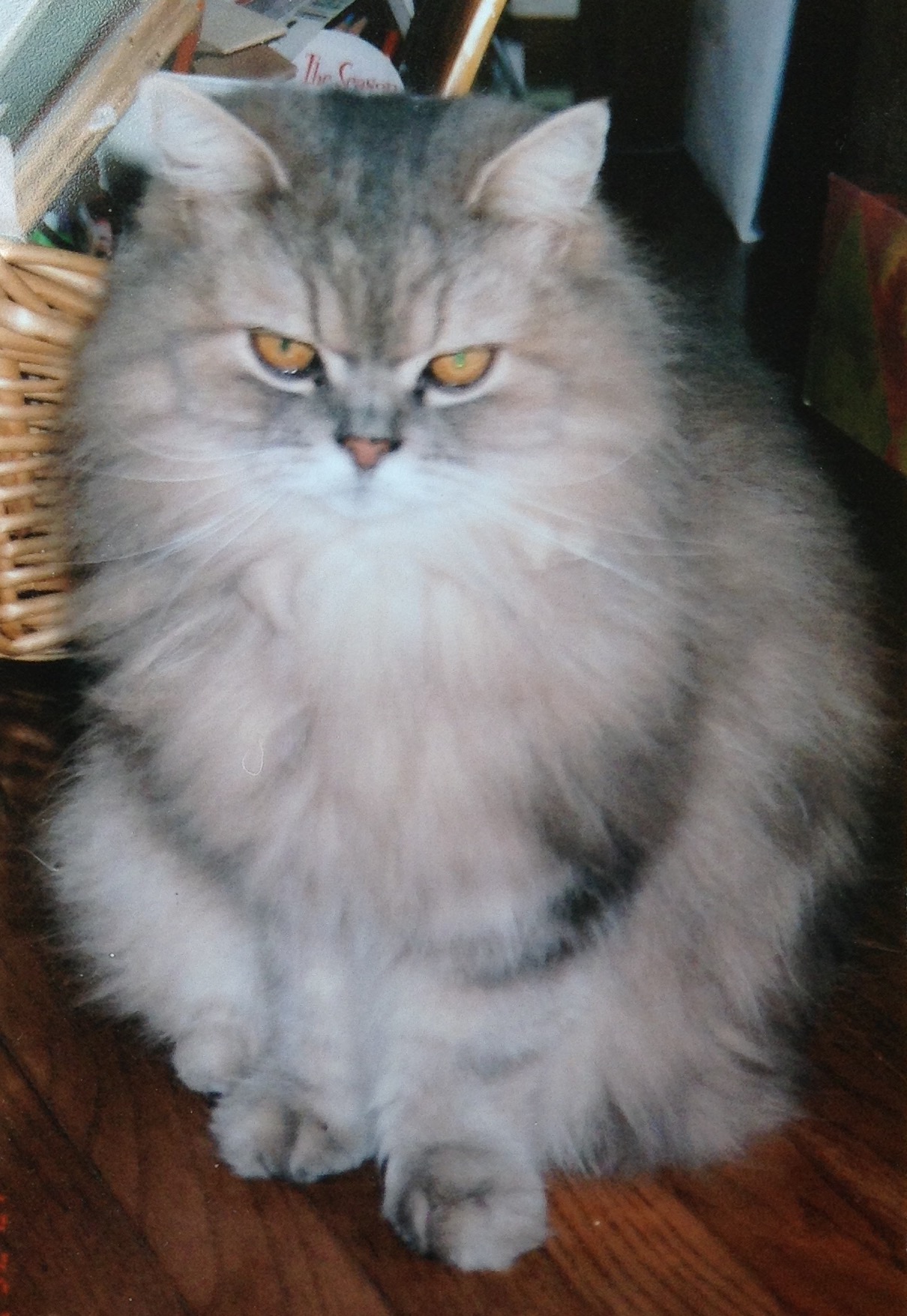
I can still see CJ, our Persian Cat, waiting anxiously at the back door to go outside, while I’d be setting up my telescope on the deck or in the backyard. 

She would walk around, climb the deck, play like she was catching something….pouncing and clawing the ground. However, after a short while, she’d end up on my lap, either due to being cold, or to just feel safe.  

CJ was going to stay with me for only a couple weeks, and then would be moving to California, but that two weeks ended up being almost 17 years.  I’m really glad the move didn’t work out.   

Astronomy from my backyard will never be the same.  

Debbie and I held her in our arms from 11:30 AM till 8:15 PM.  I had my hand on her chest when her little heart beat the last time, after 19 years.  It was a very sad day.  

CJ had a wonderful life.  We treated her like a Princess!    

FullSizeRender

DSCF5111

January 1965: A Very Cold Month With Snow And Lots Of School Days Missed

Posted March 12, 2017 by rogerivester
Categories: Roger's Articles

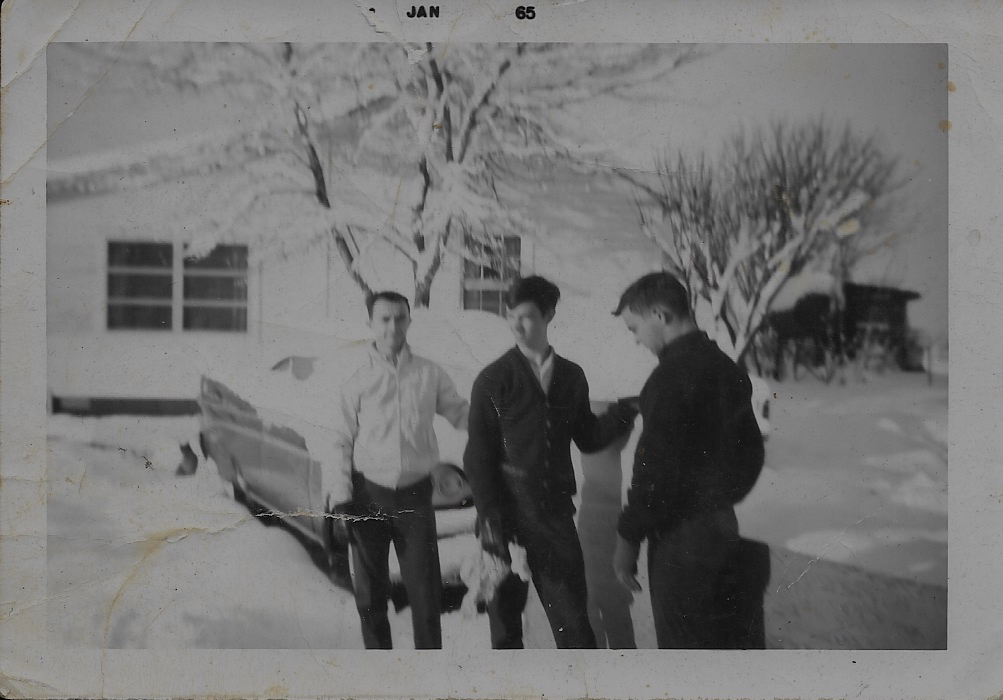
A cold month with a lot of snow and school days missed. During this particular snow, there was more than 12-inches of snow on the ground at one time with extremely low temperatures.

Temperatures dropped into single digits for several days, which caused havoc on plumbing for many, and to make matters worse, deep-snow and ice persisted.

During January of this year, the First Broad River froze solid, something I’d never seen before or since.

This was just one of several snow falls that would occur….extending into the months of February and March of 1965.

In the following photo, L-R, are three of my brothers: Ronny, Phillip and Jimmy who are clearing snow with a 4 x 8 sheet of plywood.

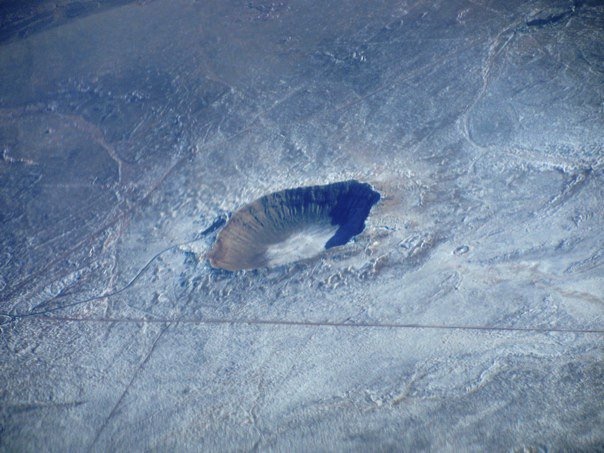
Aerial View Of Meteor Crater Compliments of James Yeager, Pilot American Airlines

Posted December 6, 2016 by rogerivester
Categories: Roger's Articles

“Snow in Meteor Crater for an ice effect as the sun was starting to set.”  James Yeager 

image3

Mount Potosi, Nevada With Ties To Boiling Springs And Lincolnton, North Carolina: Aerial Photos By James Yeager, Pilot-American Airlines – Article Excerpts From Astronomy Magazine, And Also The Plane Crash In 1942.

Posted December 4, 2016 by rogerivester
Categories: Mount Potosi Observing Complex In Southern Nevada

Mount Potosi: The infamous mountain with ties to Boiling Springs and Lincolnton, North Carolina.

The following paragraph from wikipedia tells the story of the TWA plane crash on January 6th 1942 that killed actress Carole Lombard, with a total of 22 souls being lost. Remnants of the plane are still located on the mountain, even to this day. Due to deep snow on the mountain and difficult terrain, all of the bodies were not able to be recovered. Roger Ivester

TWA Flight 3 was a twin-engine Douglas DC-3-382propliner, registration NC1946, operated by Transcontinental and Western Air (TWA) as a scheduled domestic passenger flight from New YorkNew York, to BurbankCalifornia, in the United States, via several stopovers including Las VegasNevada.[1] On January 16, 1942 at 19:20 PST, fifteen minutes after takeoff from Las Vegas Airport (now Nellis Air Force Base) bound for Burbank, the aircraft was destroyed when it crashed into a sheer cliff on Potosi Mountain, 32 miles (51 km) southwest of the airport, at an elevation of 7,770 ft (2,370 m) above sea level.[2] All 22 people on board, including movie star Carole Lombard, her mother, and three crew members, died in the crash. The Civil Aeronautics Board (CAB) investigated the accident and determined that the cause was a navigation error by the captain.[1]

The following aerial photos of Mount Potosi and information by AA Pilot, James Yeager: 

img_4745

The above aerial photos from an American Airlines Airbus at 13,000 feet:  

“When flying from Los Angeles into Las Vegas, air traffic control will usually give an arrival called KEPEC3, to set you up for a landing on 25L.  Yesterday morning, they vectored us off the arrival and gave us a heading to fly….that allowed me to get a view of a very cool piece of property on Mount Potosi.”  James Yeager, Pilot, American Airlines.

Cockpit view of Mount Potosi in the distance from McCarran International Airport, Las Vegas, Nevada. 

image1

img_2078

The Dr. James Hermann, MD. (14-inch RC Telescope and mount from North Carolina.) 

img_2077

Some brief excerpts from the Astronomy Magazine article, February 2016, pages 54-57, complete with photos of the telescope, domes, pictures of the building process, and other.  By Raymond Shubinski 

fullsizerender

“BE PREPARED. The Boy Scout motto is familiar to everyone, and excellent advice for all. Being prepared requires planning and vision, and this observatory project on a Boy Scout camp southwest of Las Vegas, Nevada, shows both.” 

“A beautiful Officinal Stellare telescope now sits housed at an elevation of 5,680 feet on Mount Potosi, 25 miles from the world famous and incredibly bright…Las Vegas strip.”  

“Jim Gianoulakis is the prime mover behind the efforts to bring this level of astronomical experience to Southern Nevada.  He has been involved in the LVAS for more than 10 years.  His passion for amateur astronomy, coupled with that of the current president of the LVAS, Rob Lambert, has made this project bloom on a desert mountain.”

The flame is lit:

“The catalyst of the project came in August 2012.  Gianoulakis, then president of the LVAS, received a message from Roger Ivester, an LVAS member living in Boiling Springs, North Carolina.  Ivester knew of an individual looking to gift a scope and mount to a group with a good use for it.”

“Gianoulakis and Lambert collaborated on the proposal, which was accepted, and the project was off and running.  James Hermann, a North Carolina resident donated the scope, a 14-inch Officinal Stellare Pro RC-360.  The gift also included an Astro Systeme Austrian equatorial mount.  The value of this donation is $50,000.”  

Note:  James Hermann, MD is an emergency room physician.  Roger Ivester

Other facts:

“…members started looking for donations.  An initial gift of $2,500 came from the LVAS  membership.  Then the club raised an additional $10,000 from Las Vegas individuals and businesses.  

“Dan Johanneck at Explora-Dome in Litchfield Minnesota promised 11.5-foot dome and 8-foot domes for the Project.”

“Now where to put the observatory?  The Las Vegas Area (Scout) Reservation southwest of the city. Located on the reservation is Camp Potosi where scouts can camp and work on many of their merit badges.  With an elevation of more than a mile and shielded from the direct glare of the strip, Mount Potosi was an excellent candidate for a future observatory.  So, the LVAS entered into discussions with the council.  It was a win-win arrangement.  The LVAS gets the land on Mount Potosi within the scout camp.  In exchange, the LVAS will provide assistance with the merit badge program and organize viewing events.”  

Again, this is a four page article, and the above is just to give you an idea what the Mount Potosi Observing Complex is all about.  

Roger Ivester

The Cygnus Fairy Ring – Asterism In Cygnus

Posted September 10, 2016 by rogerivester
Categories: The Cygnus Fairy Ring - Asterism in Cygnus

A real Fairy Ring, more about it toward the bottom of this post. Why I didn’t get off my bicycle and walk into the center…read on.

The following pencil sketch was made by the writer, using a 10-inch reflector @ 57x with a 1.1º true field of view, a blank 5 x 8 notecard with the colors inverted using a scanner.  Only a No. 2 pencil and an eraser were used.            

Scanned Image 160890002

The Cygnus Fairy Ring as viewed with a 10-inch f/4.5 reflector on August 13, 2015.  Transparency was poor due to very high humidity, but seeing was excellent.

The asterism was easy to locate and see using a 32mm eyepiece @ 36x with a 1.8º FOV.  The most recognizable member of the group is double star H1470 with the primary being a ruddy or rust color.

When increasing the magnification, using a 20mm eyepiece @ 57x with a 1.1º FOV, I could see at least eight or more separate pairs of double stars making a circle.   

While taking a bicycle ride I came across a yard with a true 360º Fairy Ring.  I just had to stop and take this photo as it is pretty rare.  

The mushroom Fairy Ring gained recognition, its name, warnings and legends from hundreds of years ago in Europe. 

“DO NOT” Step Into the Ring!  

It is generally felt that fairy circles are to be avoided as dangerous places as they’re associated with malevolent beings.

If you dare to enter a ring, many myths warn that you will die young. You also become invisible to the mortal world, unable to escape the ring, or you are transported instantly to the fairy realm. You might also lose an eye for your foolishness. Either way, you will be forced to dance around the ring until you die of exhaustion or madness!

"Plucked from the Fairy Circle" A man saves his friend from the grip of a fairy ring.

“Plucked from the Fairy Circle” A man saves his friend from the grip of a fairy ring.  Public Domain

To avoid this terrible, cavorting fate, you can take specific measures, such as running around the ring nine times (nine times only, as 10 is too many and will undo the procedure). It is said that to enter the ring without penalty you can run around the ring during a full moon, but only in the direction the sun travels during the day.  If you do this, you might hear the fairies dancing underground.

The Importance of Documenting Observations For Future Reference And Observing With A Purpose

Posted February 5, 2016 by rogerivester
Categories: Roger's Articles

Observing with a purpose for me, is having an objective or agenda for observing. This might be to observe the Messier catalog, the Herschel-400 list or even some personal lists of objects. If you can’t decide what to observe: The Astronomical League has plenty to consider.

Some of my observing notes, pencil sketches and deep-sky articles as following:

IMG_1452

     When I purchased my first serious telescope in March 1977, one of first observing reference books was “The Finest Deep-Sky Objects” by James Mullaney and Wallace McCall.  This book featured observing notes for double stars, galaxies, nebulae, star clusters, and a few prominent red stars.

“1,000+ The Amateur Astronomer’s Field Guide to Deep-Sky Observing” by Tom Lorenzin:

      In the early 90’s I began using “1000+” almost exclusively. I really liked how Tom documented his observations, which were relatively brief, but saying so much.  

Visual observing for me is attempting to see the faintest of detail in deep-sky objects, then recording in words, and for some objects, making a pencil sketch.  

Roger Ivester

An few examples as following of my pencil sketches and observing notes:

Iota Cas Roger inv

unadjustednonraw_thumb_3b08

unadjustednonraw_thumb_3b07

Rogers M-081 Inverted

Rogers NGC-2300 Inverted

Scanned Image 160920001

Roger IC 1805

M13 And The Elusive Propeller

Pacman Nebula - NGC 281

Virgo Diamond - five stars

Scanned Image 120080000

Roger Ivester: Christian; Cyclist; Amateur Astronomer; Freelance Writer; Student Of History And Other…

Posted December 15, 2015 by rogerivester
Categories: Roger's Articles

The late Al Nagler (optical engineeer, founder and owner of Televue Optics) and myself at the 2017 Southern Star Astronomy Convention in Little Switzerland, North Carolina.

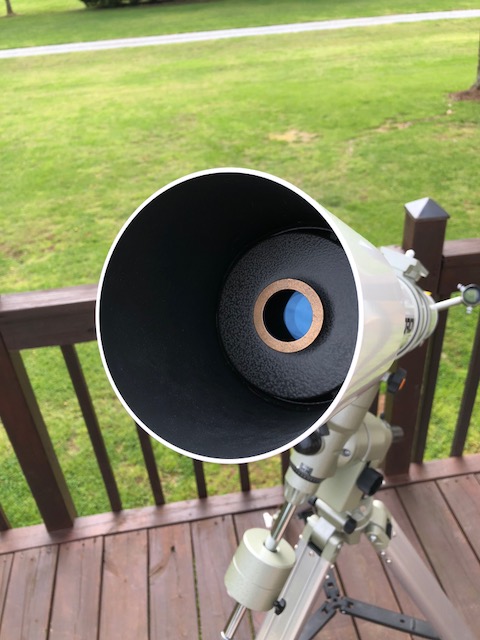
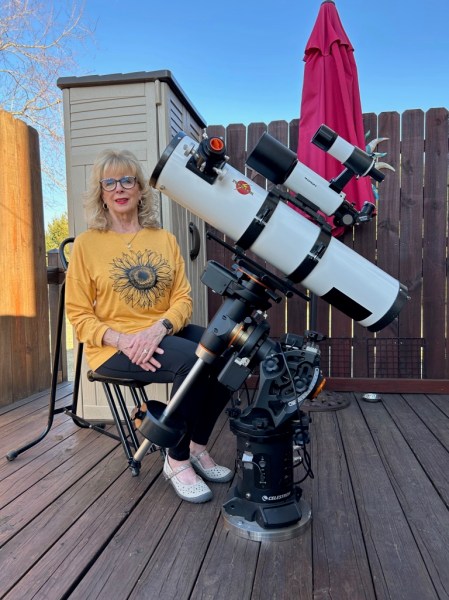
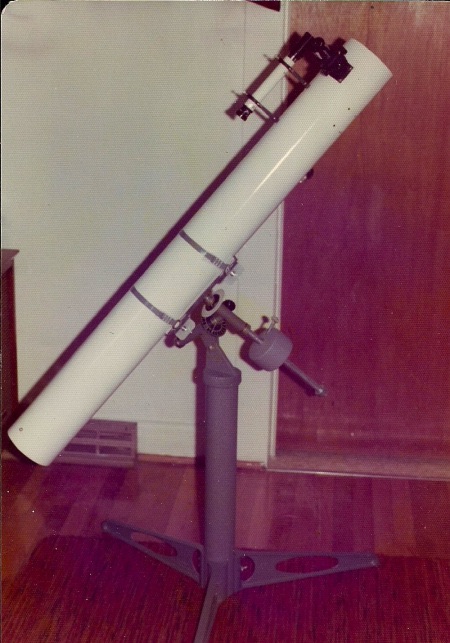
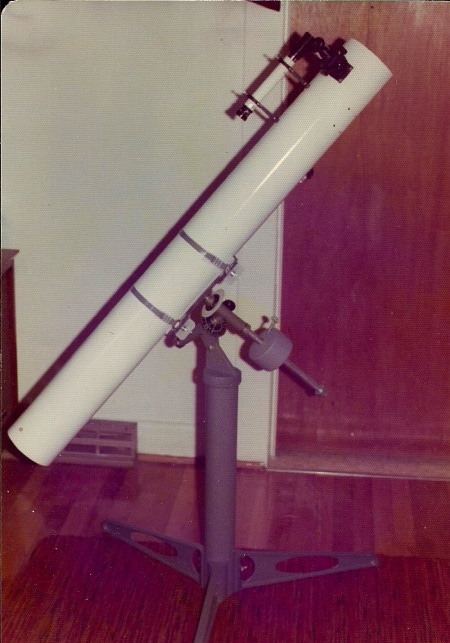
The 6-inch f/6 Newtonian pictured below is now my largest telescope. The time had come (March 2026) for me to sell my very heavy 10-inch f/4.5 EQ Newtonian.

After 34 years and more than 1,500 hours under a night sky, my 10-inch Newtonian became just too large and heavy for regular use.

The Observer’s Challenge report has received over 150,000 world-wide .pdf downloads (to-date) as of April 2026. The following link is still available for all to use as a reference for ~250 deep-sky objects.

https://rogerivester.com/category/observers-challenge-reports-complete/

My other hobby is cycling, with about 135,000 miles to-date. I began riding in June 1979, but never thought or even considered the number of miles I’d one day ride.

The day I logged 60,000 miles (when turning into my driveway) for the very first time, it occurred to me that I should try for 100,000 miles. However, from my very first ride in June 1979, it would take me 29 years to achieve this feat, which occurred in October 2009.

Cycling photo (April 2026)

A few examples of my deep-sky pencil sketches. I don’t embellish or use computer enhancements.

Observer’s Challenge Reports For The Years 2009-2024: All 185 Monthly Reports Are Included For Future Reference Use.

Posted November 6, 2015 by rogerivester
Categories: Observer's Challenge Reports Complete

Tags:

During the winter of 2007, while visiting family in Las Vegas, I became a member of the Las Vegas Astronomical Society.Fellow member, Fred Rayworth and I often talked about starting a monthly observing report.

So, in February 2009, we issued the first Las Vegas Astronomical Society Observer’s Challenge Report. The many reports to follow would include galaxies, nebulae, star clusters and multiple stars However, in the recent years the name was changed to just “The Observer’s Challenge Report.”

We designed the report primarily to promote visual observing, while allowing amateurs the opportunity to share their observations and work. The report has since become quite popular and includes participants from all across the country and beyond.

We are also attempting to keep the ancient art of pencil sketching alive.  A facet of astronomy that was employed by Messier, the Herschel’s and so many others over the past 200 years.

I think we can all agree that interest in serious visual observing and pencil sketching has declined significantly, especially in the past 25 years.  

And the challenge report has inspired me to take my telescope outside, even when I would much rather have stayed inside…and others have told me the same.

As of October 2019, Sue French, former editor at Sky & Telescope Magazine became part of the administration of the report, after being a participant for many years.

Official statement regarding the final Observer’s Challenge report:

Sue French and myself have decided this month (June 2024) will be the last and final Observer’s Challenge report.  

This is for many reasons, which includes the time required each and every month.  And it often interferes with personal time, such as vacations, especially during the summer months, and just having the burden to compile a monthly report.

I would like to thank Fred Rayworth, who in 2009, with myself established the report from Las Vegas.  It was originally designed to promote visual observing.  Fred resigned from the report in 2019, due in-part for his time required to write and promote his book novels.  His books can be found and ordered from a variety of locations. After years of being a part and participate of the report, Sue French graciously assumed Fred’s place, upon his leaving.  

The report has had readership in most all US states, and more than 100 foreign countries in the past 15 plus years.  

As of today (March 28th 2026) the Observer’s Challenge report has had more than 150,000 worldwide .Pdf downloads.

There has never been anything like the Observer’s Challenge, lasting 185 consecutive months.  And not likely will there be anything like it in the future. 

During this 15 plus years period, there have been participants summiting observing reports from the following states:

North Carolina, Nevada, New York, Texas, South Carolina, Massachusetts, Maine, Virginia, Pennsylvania, Delaware, Arizona, Florida, Alabama, Oklahoma and possibly a few others that I might have missed.

And then there were entries from the following countries: France, Italy, South Africa, Romania, Jordan, Lebanon, England and a few others.

It’s my hope that amateurs will use the following 185 Observer’s Challenge reports for personal reference and sharing with others…

Roger Ivester

NGC 6118 Galaxy In Serpens 6

may-2024-observers-challenge-hickson-68b

april-2024-observers-challenge-hickson-44-b

march-2024-observers-challenge-ngc-2440c-4

february-observers-challenge-ngc-1579a

2024-observers-challange-ngc-936-and-ngc-941

december-2023-observers-challenge-_ic-1848-2

november-2023-observers-challenge-_ic-10-1

october-2023-observers-challenge-_ngc-7027-3

september-2023-observers-challenge-_ngc-6891

august-2023-observers-challenge-_m56

july-2023-observers-challenge-_ngc-6217

june-2023-observers-challenge-_ngc-5774-and-5775

may-2023-observers-challenge-_ngc-4088

april-2023-observers-challenge-_ngc-3044b

march-2023-observers-challenge-_ngc-2841d

february-2023-observers-challenge-_ngc-2024

january-2023-observers-challenge-_ngc-1245b

december-2022-observers-challenge-_iota-cas-b

november-2022-observers-challenge-_ngc-7184b-1

October 2022 OBSERVERS CHALLENGE _M39 b

September 2022 OBSERVERS CHALLENGE _NGC 6751b

August 2022 OBSERVERS CHALLENGE _NGC 6772

July 2022 OBSERVERS CHALLENGE _NGC 6210b

June 2022 OBSERVERS CHALLENGE _NGC5474b

May 2022 OBSERVERS CHALLENGE _M106c

April 2022 OBSERVERS CHALLENGE _NGC 3079 c

march-2022-observers-challenge-_the-medusa-nebula

February 2022 OBSERVERS CHALLENGE _M42 & M43 PDF

january-2022-observers-challenge-_ngc-1501

December 2021 OBSERVERS CHALLENGE _NGC 16

November 2021 OBSERVERS CHALLENGE _NGC 7662 b

october-2021-observers-challenge-_ngc-6857-1

September 2021 OBSERVERS CHALLENGE _NGC 6823 & Sh 2-86

august-2021-observers-challenge-_m57

july-2021-observers-challenge-_ngc-6572-1

june-2021-observers-challenge-_ngc-5746

may-2021-observers-challenge-_m3-2

April 2021 OBSERVERS CHALLENGE _NGC 3226_NGC 3227

march-2021-observers-challenge-_ngc-2685-2

February 2021 OBSERVERS CHALLENGE _NGC 1893 and IC 410

january-2021-observers-challenge-_ic-348

December 2020 OBSERVERS CHALLENGE _M76

November 2020 OBSERVERS CHALLENGE _NGC 278

october-2020-observers-challenge-_ngc-7332-39

September 2020 OBSERVERS CHALLENGE _Veil Nebula

August 2020 OBSERVERS CHALLENGE _M20

July 2020 OBSERVERS CHALLENGE _M8 

June 2020 OBSERVERS CHALLENGE _NGC 5689

May 2020 OBSERVERS CHALLENGE _M85 and NGC 4394

April 2020 OBSERVERS CHALLENGE _ NGC 3877

March 2020 OBSERVERS CHALLENGE _ NGC 2859

February 2020 OBSERVERS CHALLENGE _ NGC 1931

JANUARY 2020 OBSERVERS CHALLENGE _ NGC 1999

DECEMBER 2019 OBSERVERS CHALLENGE – IC-1805

NOVEMBER 2019 OBSERVERS CHALLENGE – NGC-246

OCTOBER 2019 OBSERVERS CHALLENGE – NGC-7448

SEPTEMBER 2019 OBSERVERS CHALLENGE – M-071

AUGUST 2019 OBSERVERS CHALLENGE – M-011

JULY 2019 OBSERVERS CHALLENGE – NGC-6482

JUNE 2019 OBSERVERS CHALLENGE – NGC-5377

MAY 2019 OBSERVERS CHALLENGE – NGC-4036-41

APRIL 2019 OBSERVERS CHALLENGE – NGC-2964-68

MARCH 2019 OBSERVERS CHALLENGE – NGC-2300

FEBRUARY 2019 OBSERVERS CHALLENGE – NGC-2175

JANUARY 2019 OBSERVERS CHALLENGE – NGC-1514

DECEMBER 2018 OBSERVERS CHALLENGE – NGC-1003

NOVEMBER 2018 OBSERVERS CHALLENGE – NGC-147

OCTOBER 2018 OBSERVERS CHALLENGE – NGC-7129

SEPTEMBER 2018 OBSERVERS CHALLENGE – NGC-6818

AUGUST 2018 OBSERVERS CHALLENGE – IC-1295

JULY 2018 OBSERVERS CHALLENGE – M-004

JUNE 2018 OBSERVERS CHALLENGE – M-051

MAY 2018 OBSERVERS CHALLENGE – NGC-4236

APRIL 2018 OBSERVERS CHALLENGE – M-081-82

MARCH 2018 OBSERVERS CHALLENGE – NGC-2371-72

FEBRUARY 2018 OBSERVERS CHALLENGE – M-041

JANUARY 2018 OBSERVERS CHALLENGE – NGC-1624

DECEMBER 2017 OBSERVERS CHALLENGE – NGC-0925

NOVEMBER 2017 OBSERVERS CHALLENGE – NGC-0772

OCTOBER 2017 OBSERVERS CHALLENGE – M-015

SEPTEMBER 2017 OBSERVERS CHALLENGE – NGC-6905

AUGUST 2017 OBSERVERS CHALLENGE – M-024

JULY 2017 OBSERVERS CHALLENGE – M-014

JUNE 2017 OBSERVERS CHALLENGE – NGC-6015

MAY 2017 OBSERVERS CHALLENGE – M-098

APRIL 2017 OBSERVERS CHALLENGE – NGC-3395-96

MARCH 2017 OBSERVERS CHALLENGE – M-067

FEBRUARY 2017 OBSERVERS CHALLENGE – WINTER ALBIREO

JANUARY-2017-OBSERVERS-CHALLENGE-NGC-1545

DECEMBER-2016-OBSERVERS-CHALLENGE-M-74

NOVEMBER-2016-OBSERVERS-CHALLENGE-NGC-0206

OCTOBER-2016-OBSERVERS-CHALLENGE-NGC-7479

SEPTEMBER-2016-OBSERVERS-CHALLENGE-NGC-7009

AUGUST-2016-OBSERVERS-CHALLENGE-CHAPLES-ARC

JULY 2016 OBSERVERS CHALLENGE – M-092

JUNE 2016 OBSERVERS CHALLENGE – M-005

MAY 2016 OBSERVERS CHALLENGE – M-100

APRIL 2016 OBSERVERS CHALLENGE – NGC-3077

MARCH 2016 OBSERVERS CHALLENGE – NGC-2392

FEBRUARY 2016 OBSERVERS CHALLENGE – NGC-2237

JANUARY 2016 OBSERVERS CHALLENGE – M-078

DECEMBER 2015 OBSERVERS CHALLENGE – NGC-1023

NOVEMBER 2015 OBSERVERS CHALLENGE – NGC-7789

OCTOBER 2015 OBSERVERS CHALLENGE – NGC-7128

SEPTEMBER 2015 OBSERVERS CHALLENGE – NGC-7000

AUGUST 2015 OBSERVERS CHALLENGE – M-016

JULY 2015 OBSERVERS CHALLENGE – NGC-6503

JUNE 2015 OBSERVERS CHALLENGE – M-083

MAY 2015 OBSERVERS CHALLENGE – NGC-4244

APRIL 2015 OBSERVERS CHALLENGE – NGC-3184

MARCH 2015 OBSERVERS CHALLENGE – NGC-2683

FEBRUARY 2015 OBSERVERS CHALLENGE – NGC-2158

JANUARY 2015 OBSERVERS CHALLENGE – NGC-1569

DECEMBER 2014 OBSERVERS CHALLENGE – NGC-0672

NOVEMBER 2014 OBSERVERS CHALLENGE – NGC-0404

OCTOBER 2014 OBSERVERS CHALLENGE – NGC-7640

SEPTEMBER 2014 OBSERVERS CHALLENGE – M-030

AUGUST 2014 OBSERVERS CHALLENGE – NGC-6822

JULY 2014 OBSERVERS CHALLENGE – M-101 NGC 5457

JUNE 2014 OBSERVERS CHALLENGE – M-53 NGC – 5053

MAY 2014 OBSERVERS CHALLENGE – NGC- 4284 – 4290

APRIL 2014 OBSERVERS CHALLENGE – NGC-3893-3896

MARCH 2014 OBSERVERS CHALLENGE – NGC-2359

FEBRUARY 2014 OBSERVERS CHALLENGE – NGC-1664

JANUARY 2014 OBSERVERS CHALLENGE – NGC-1491

DECEMBER 2013 OBSERVERS CHALLENGE – NGC-40

NOVEMBER 2013 OBSERVERS CHALLENGE – IC-1747

OCTOBER 2013 OBSERVERS CHALLENGE – IC-5146

SEPTEMBER 2013 OBSERVERS CHALLENGE – NGC-7044

AUGUST 2013 OBSERVERS CHALLENGE – NGC-6791

JULY 2013 OBSERVERS CHALLENGE – NGC-5981 5982 5985

JUNE 2013 OBSERVERS CHALLENGE – NGC-5466

MAY 2013 OBSERVERS CHALLENGE – PORRIMA

APRIL 2013 OBSERVERS CHALLENGE – NGC-2672

MARCH 2013 OBSERVERS CHALLENGE – M-46 NGC-2438

FEBRUARY 2013 OBSERVERS CHALLENGE – MEL-71

JANUARY 2013 OBSERVERS CHALLENGE – NGC-1579

DECEMBER 2012 OBSERVERS CHALLENGE – NGC-457

NOVEMBER 2012 OBSERVERS CHALLENGE – NGC-55

OCTOBER 2012 OBSERVERS CHALLENGE – NGC-7023

SEPTEMBER 2012 OBSERVERS CHALLENGE – NGC-6826

AUGUST 2012 OBSERVERS CHALLENGE – M-22

JULY 2012 OBSERVERS CHALLENGE – M-17

JUNE 2012 OBSERVERS CHALLENGE – NGC-5353

MAY 2012 OBSERVERS CHALLENGE – M-64

APRIL 2012 OBSERVERS CHALLENGE – NGC-3115

MARCH 2012 OBSERVERS CHALLENGE – NGC-2362

FEBRUARY 2012 OBSERVERS CHALLENGE – THETA ORIONIS

JANUARY 2012 OBSERVERS CHALLENGE – NGC-1502

DECEMBER 2011 OBSERVERS CHALLENGE – M-33

NOVEMBER 2011 OBSERVERS CHALLENGE – NGC-281

OCTOBER 2011 OBSERVERS CHALLENGE – NGC-7380

SEPTEMBER 2011 OBSERVERS CHALLENGE – NGC-6946

AUGUST 2011 OBSERVERS CHALLENGE – NGC-6819

JULY 2011 OBSERVERS CHALLENGE – NGC-6645

JUNE 2011 OBSERVERS CHALLENGE – M-102

MAY 2011 OBSERVERS CHALLENGE – M-97

APRIL 2011 OBSERVERS CHALLENGE – NGC-3190

MARCH 2011 OBSERVERS CHALLENGE – NGC-2419

FEBRUARY 2011 OBSERVERS CHALLENGE – NGC-2261

JANUARY 2011 OBSERVERS CHALLENGE – NGC-1333

DECEMBER 2010 OBSERVERS CHALLENGE – M-77

NOVEMBER 2010 OBSERVERS CHALLENGE – IC-342

OCTOBER 2010 OBSERVERS CHALLENGE – NGC-6888

SEPTEMBER 2010 OBSERVERS CHALLENGE – NGC-7331

AUGUST 2010 OBSERVERS CHALLENGE – NGC-188

JULY 2010 OBSERVERS CHALLENGE – NGC-6543

SUMMER 2010 SUPPLEMENTAL OBSERVERS CHALLENGE – NGC-6826

JUNE 2010 OBSERVERS CHALLENGE – NGC-5907

MAY 2010 OBSERVERS CHALLENGE – NGC-4631

APRIL 2010 OBSERVERS CHALLENGE – NGC-4889

SPRING 2010 SUPPLEMENTAL OBSERVERS CHALLENGE – M-51

MARCH 2010 OBSERVERS CHALLENGE – IC-405 IC-410 NGC 1893a

FEBRUARY 2010 OBSERVERS CHALLENGE – NGC-2903 and SUPPLEMENTAL

JANUARY 2010 OBSERVERS CHALLENGE – NGC-2264

DECEMBER 2009 OBSERVERS CHALLENGE – NGC-474

NOVEMBER 2009 OBSERVERS CHALLENGE – NGC-891

OCTOBER 2009 OBSERVERS CHALLENGE – NGC-253

SEPTEMBER 2009 OBSERVERS CHALLENGE NGC-7293

AUGUST 2009 MONTHLY OBSERVERS CHALLENGE – M-002

JULY 2009 OBSERVERS CHALLENGE – M-27

JUNE 2009 MONTHLY OBSERVERS CHALLENGE – M-13

MAY 2009 OBSERVERS CHALLENGE – LEO TRIO

APRIL 2009 OBSERVERS CHALLENGE – MARKHARIANS CHAIN

SPRING 2009 OBSERVERS CHALLENGE SUPPLEMENTAL – VIRGO DIAMOND

MARCH 2009 OBSERVERS CHALLENGE NGC-2403

FEBRUARY 2009 OBSERVERS CHALLENGE M-1