Photos by Kerri Adams: I reviewed all of the photo files and selected as best as I could, only a few as following that might be interesting to all. Roger Ivester
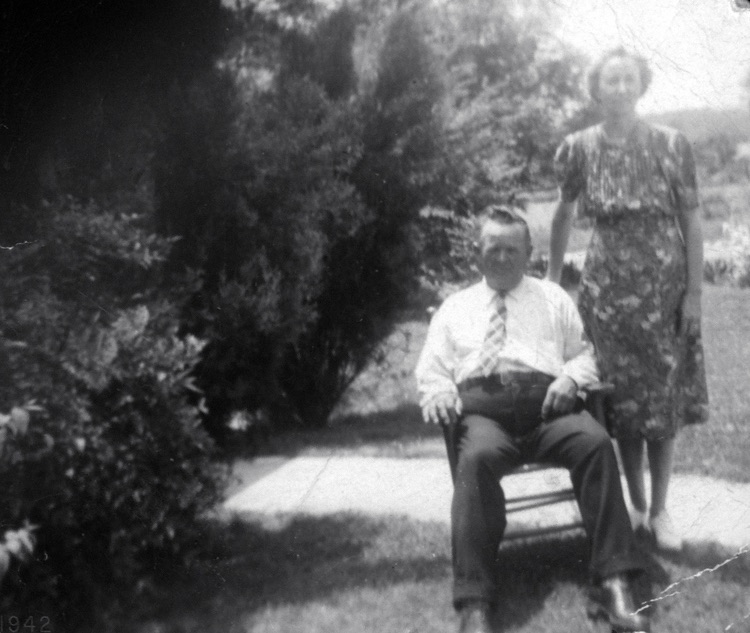
Following photo: Velus Ivester (August 7th 1877-October 28, 1966) and wife Rebecca (Mar. 27, 1891 – Oct. 6, 1965)
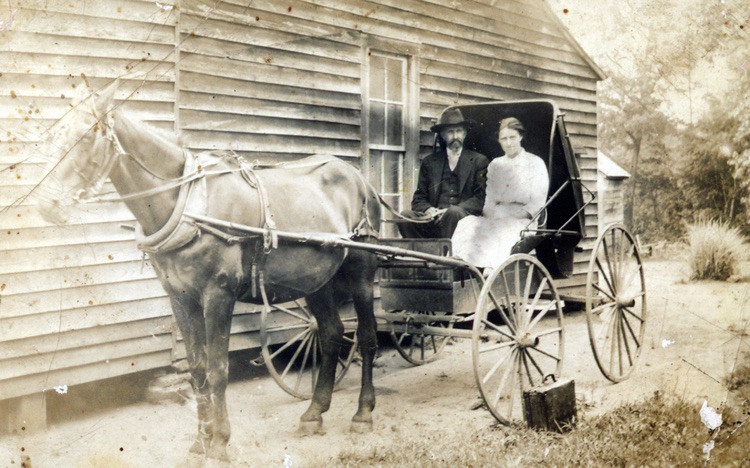
Veterinarian in the buggy, who Carl Ivester interned with to become a practicing Veterinarian.
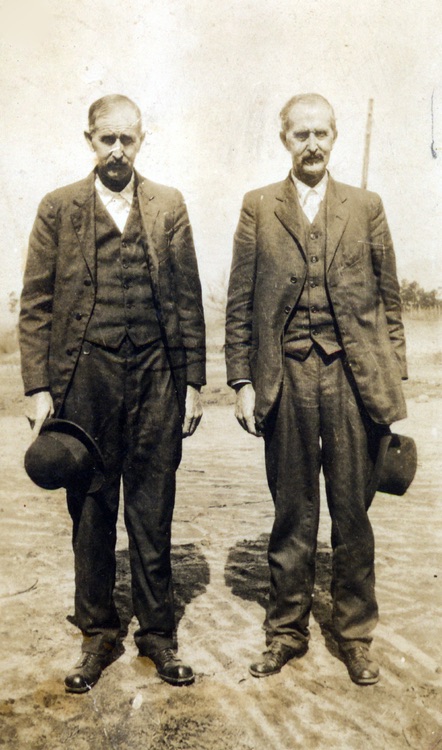
Twins (?) ….one of which would train Carl or mentor, to become a Veterinarian. Carl did a “multi-years” apprenticeship with one of these men.
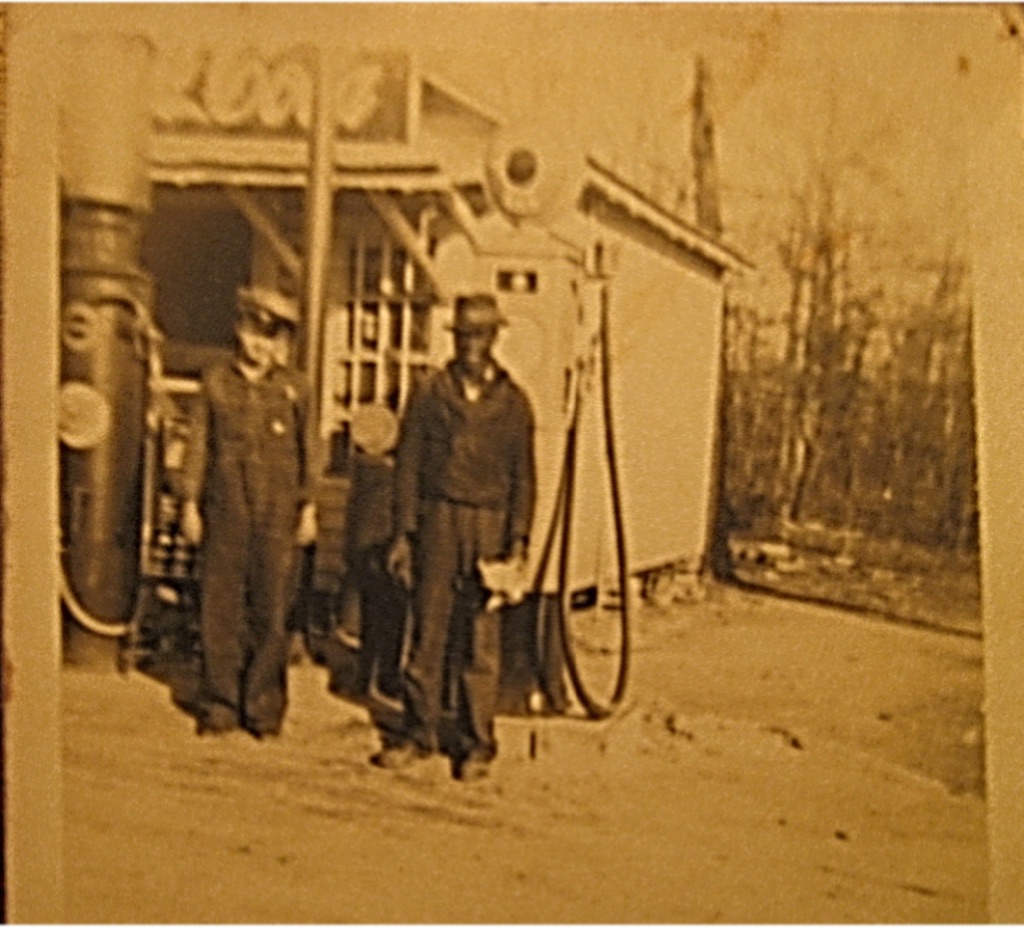
F.V. Ivester and unknown person. The beginning of a store that would serve the Upper Cleveland area for many years.
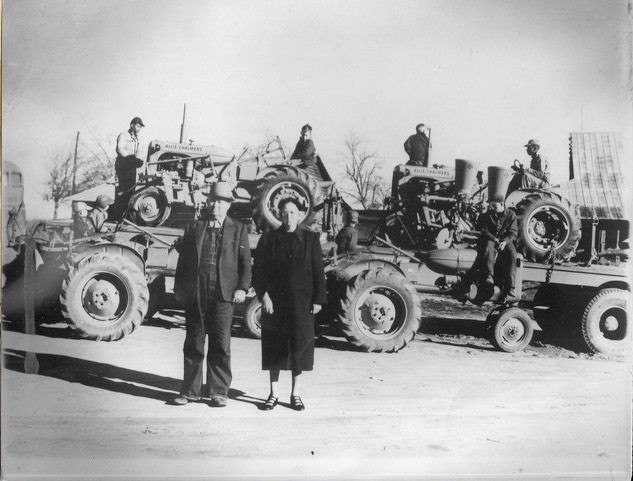
Velus trading two older AC tractors for two new CA Allis-Chalmers Tractors. (Circa ~1954/1955). All of my older brothers were in this photograph, sitting on the tractors. I’ve heard this photo was in the Shelby Star.
(Note: Text and identifications precede the photographs in all the following)
F.V. Ivester and wife Cleo: The store in later days (as shown) became more than a store, but a meeting place for everyone in the local area. Any local news happening? This was the place to find out.
There was always a Shelby Star available in the store for anyone to read. The store was heated by a large coal burning heater with the coal pile very close outside.
On cold wintry days with snow or ice…seems that almost everyone would want to go to the store for serious discussions, such as, how bad the weather was. It was very important to get the thoughts from others.
However, the real reason: Everyone just wanted to get out and drive in the snow or ice. Snow and ice always seemed to bring out the kids in most all adults…all the while, pretending they hated it.
Photo 2:
Photo 3: Possibly Ruth Adams as a child? Unknown person holding her. The smaller building was where wheat and grain was stored. The building to the right was an addition to the “old log barn.”
More about the building, and other buildings and barn later…
Photo 4: (Again, photos follow the text)
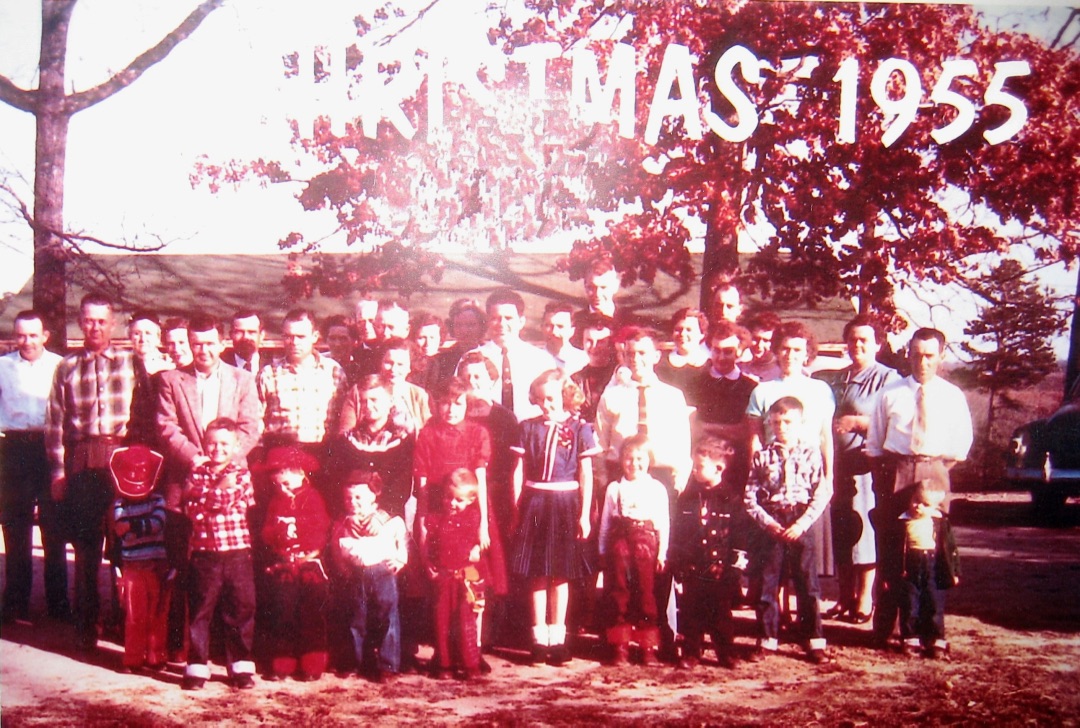
Reunion event at Kistler’s during Christmas 1955, in front of what was then known as “The Hut.” The Hut was were so many events happened when I was a kid growing up. The MYF (Methodist Youth Fellowship) met…seems it was on Thursday nights. And we would have a big Halloween event each and every year in the hut!
Kistler’s Church and the hut: Glenn Johnson who played Santa Claus on the night of our yearly Christmas plays. I thought he was the real Santa Claus, however, as I grew older, it occurred to me it was Glenn!
I’ve always said: “When you find out there is no Santa Claus, life is never the same…and not for the good.”
The Christmas play was in the church sanctuary in an empty corner, which now has a pew, or maybe the piano. Normally F.V. would remove his pickup wooden railings to use for the Nativity scene. He would also supply a few bales of hay for the manger area. We would begin practicing, normally a week or so after Thanksgiving.
69 years later: The following photo was made Sunday August 4th 2024, inside “The Hut” but now called the Fellowship Hall.
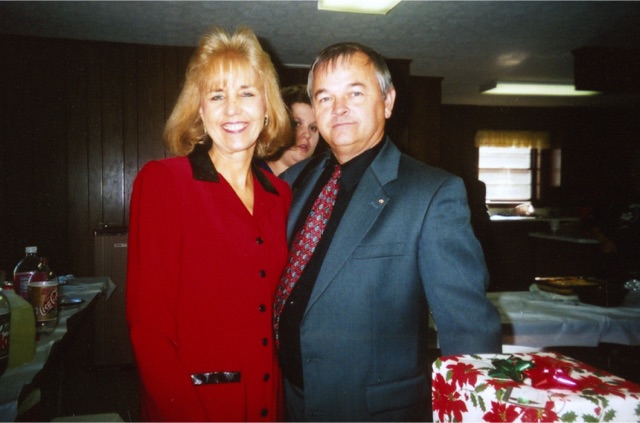
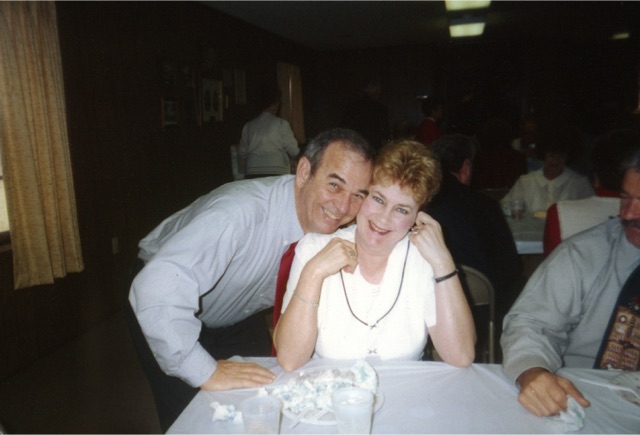
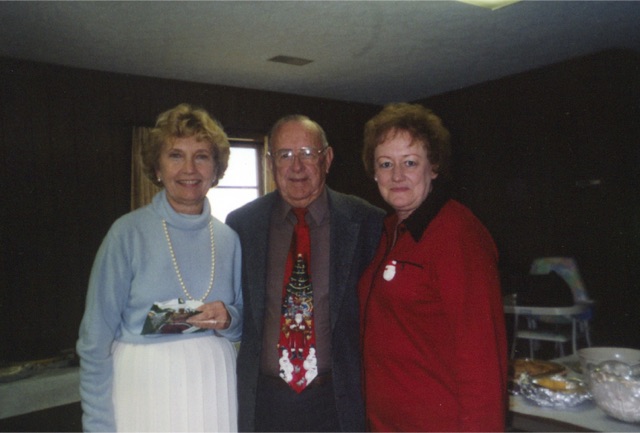
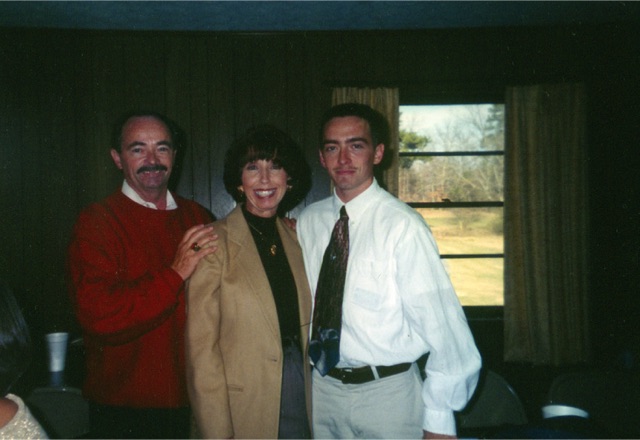
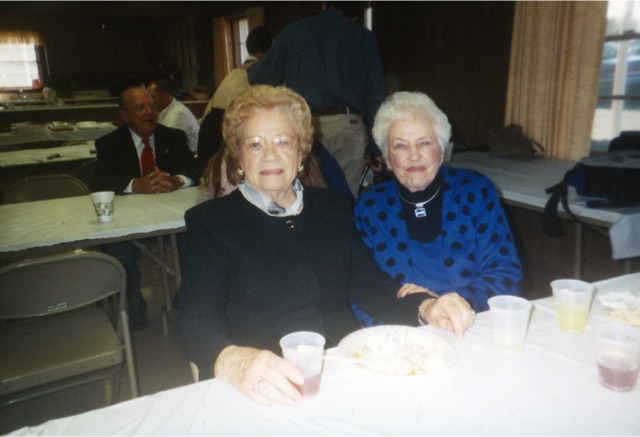
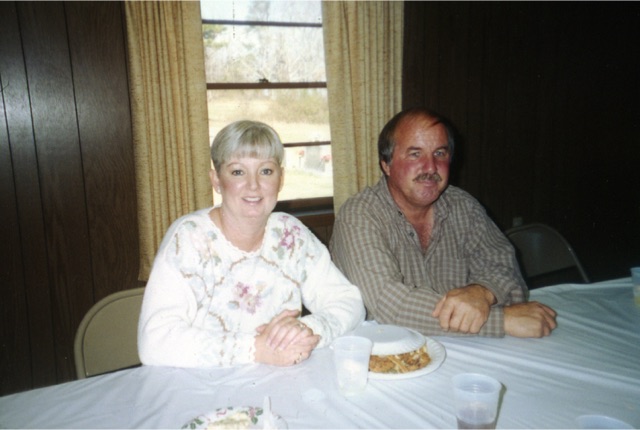
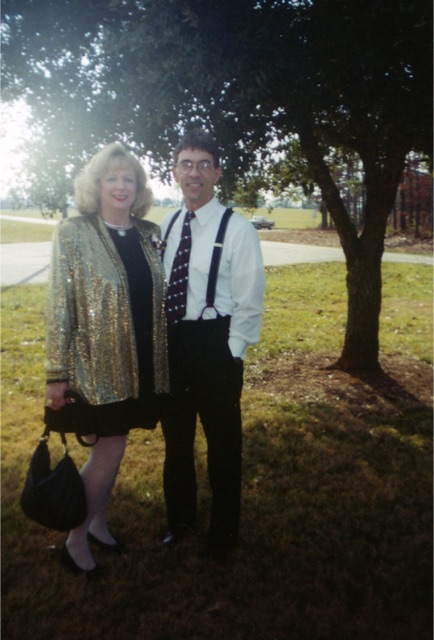
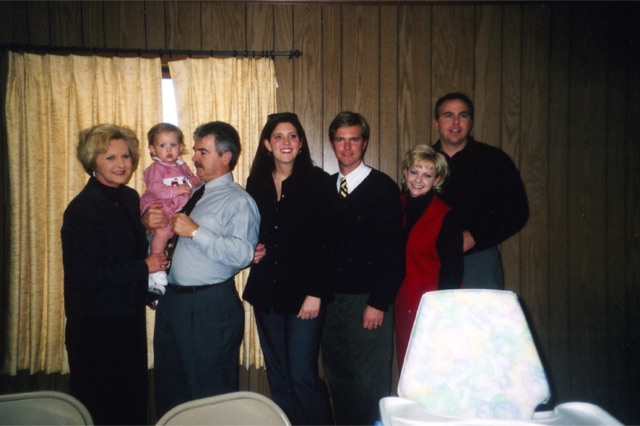
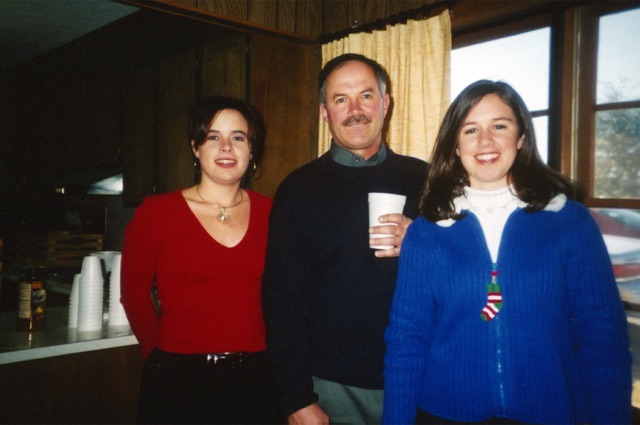
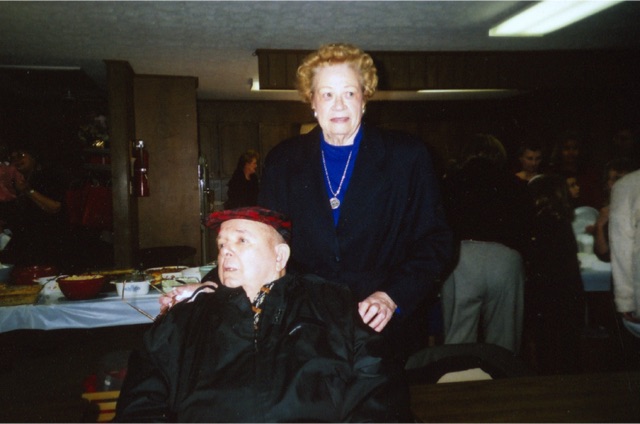
All of the following photographs and information are from the early to mid-90’s:
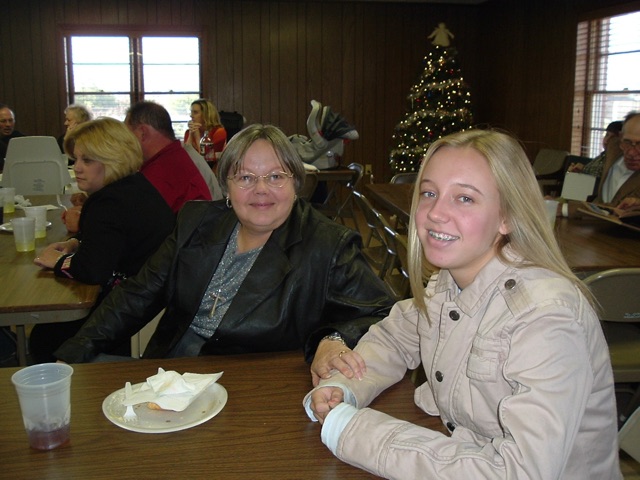
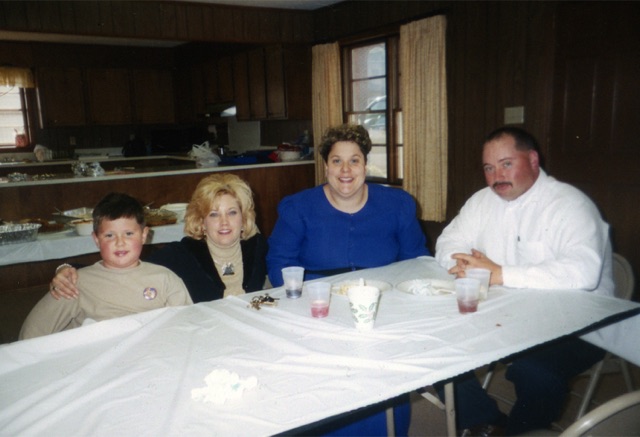
Photo 5: Ruth Adams and family
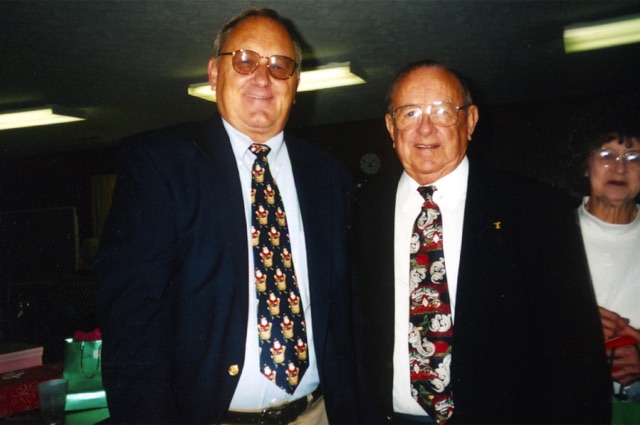
Photo 6: Donnie and Linda Ivester
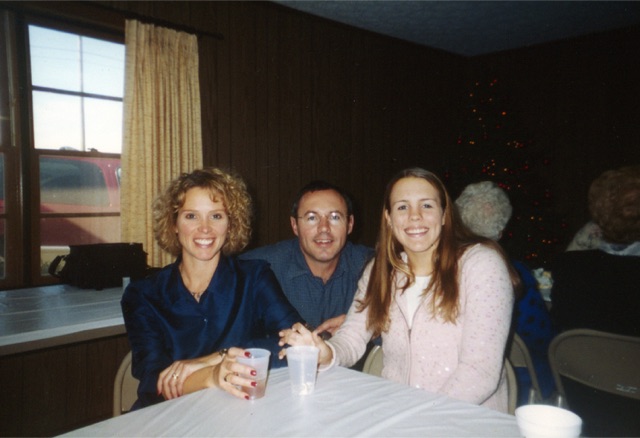
Photo 7: Ruth Adams and family
Photo 8: Richard and Mary Ivester
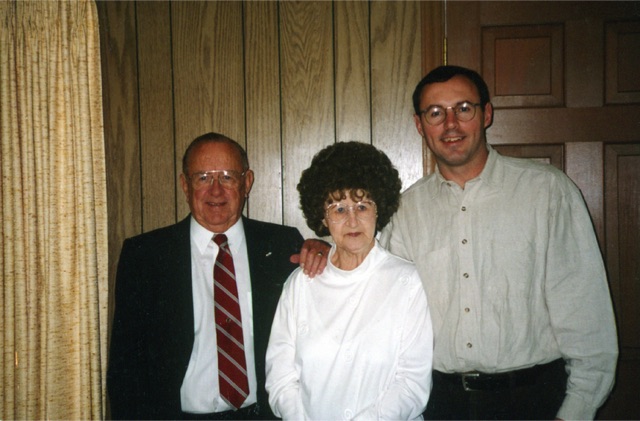
Photo 9: Shelley and Boyd Ivester and Judy
Photo 10: Ronny, Pam, and Jason Ivester
11: Frances and Ruth Ivester
12: Gloria and Steve Ivester
13. Debbie and Roger Ivester
14. Carolyn and Jim Ivester with family
15. Michael Mauney and daughters
16. Skeet and Frances Ivester: (Remember: Photos follow text)
Skeet was always the best dressed man at Kistler’s Church.
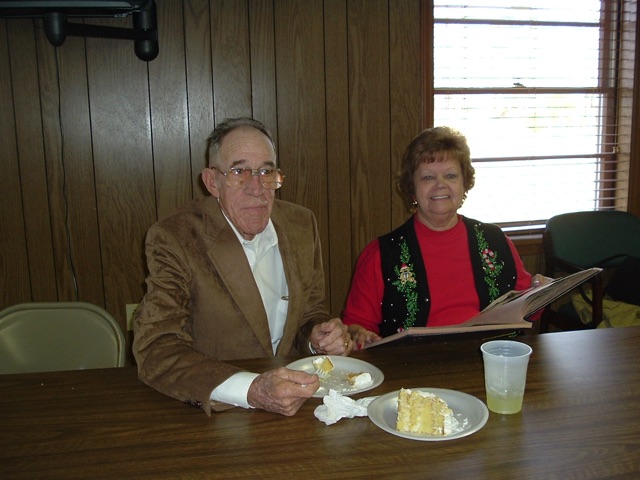
17. Jerry and Boyd Ivester
18. Carl and Tyner Ivester (and others who I don’t know)
19. Janet and daughter
20. Gail Ivester and (?)
21. Boyd Ivester, Ruth Adams and Danny Mauney
22. I think we know all who are pictured below. Too many names to list.
23. Danny and Suzette Mauney and daughter.
24. Glenda and Chris with son Christoper, and also Nancy Daves.
Jim Mullaney is coauthor with Wallace McCall of “The Finest Deep-Sky Objects” (Sky Publishing) and “The Cambridge Double Star Atlas” and also the “Cambridge Atlas of Herschel Objects” which were both coauthored with celestial cartographer Wil Tirion. Jim’s last two books are “Celestial Harvest” (Dover) and “Celebrating The Universe” (Hay House).
Articles by James Mullaney as following:
Don’t Forget The Finder!Date: June 21st 2024
The most embarrassing moment in my more than 60 years as an amateur and professional astronomer came one morning in the early 70s. As the tour guide at Pittsburgh’s Allegheny Observatory, I was speaking to a group of 60 schoolchildren in the dome of the famed 13-inch Fitz-Clark refractor.
My topic solar safety: how dangerous the Sun is to look at without a proper filter, whether it be with the naked-eye and especially with binoculars or a telescope. I was near the top of the observing ladder projecting the Sun’s image onto a screen across the room. As I was speaking, a little boy kept calling out my name: “Mr. Mullaney, Mr. Mullaney, Mr. Mullaney.” He was definitely running my spiel and finally in frustration I shouted down the ladder at him WHAT! He said “Mr. Mullaney, your jacket is on fire!” Sure enough, I hadn’t capped the 4-inch finder and it focused the Sun right onto my jacket – which was now smoldering.
The Finest Deep-Sky Objects DSO at Mount Palomar:
Thirty-three years ago, my wife and I were privileged while on our honeymoon to be given a behind-the-scenes private tour of the Palomar Observatory facility. In the control room for the 200-inch Hale reflector was a dogged-eared copy of the Sky & Telescope reprint of “The Finest Deep-Sky Objects” by Wally McCall and myself. The story-line is that no one ever looks through the 200-inch except for research purposes since time is very valuable on the scope. But apparently someone – maybe several someones – had been using our showpiece list to look at between “takes.”
Can you imagine seeing the Orion Nebula, the Hercules Cluster, or the Sombrero Galaxy at the prime focus of this huge Big Eye? (BTW – while on the floor of this mammoth instrument I actually hugged part of the mounting!)
Sir William Herschel used a magnification of 6,000x !
Sir William Herschel, the greatest observer and telescope-maker in history. He made and used the largest telescopes in existence up to his famed “40 foot” (48-inch aperture) but his favorite was his “7-foot” (6.2-inch aperture) speculum-metal mirror with which he discovered Uranus.
While he used relatively wide fields (for that time period) and low powers (generally 400X or less) for his legendary sweeps of the heavens. However, for the Moon, planets and double stars…the unheard of magnifications of over 6,000 times were sometimes employed !
Despite his fame, many “or most” doubted his claims regarding the magnifications he sometimes used. W.H. Stevenson actually measured 48…yes 48 of Herschel’s eyepieces and found that indeed his claims were valid.
Focal lengths as short as 0.2-inches to just over 0.01-inch were found! How Herschel ever managed to make them is somewhat of a mystery. (He actually used 6,450x once on Vega and also again on Gamma Leonis.)
No Star Diagonal? Ouch!
With the exception of reflectors, most of the classic observers of the past used refracting telescopes. I really don’t know when star diagonals first appeared, but all of the early observers were viewing “straight through” their scopes.
For low declinations this wasn’t so much an issue but for objects high in the sky, or overhead, it was a neck and back breaker. And this didn’t just apply to amateur observers, but professionals alike.
E.E. Barnard (Yerkes 40-inch), Aiken (Lick 36-inch) and Lowell (24-inch) all worked without diagonals. In the more than 40 years I used the superb 13-inch Fitz-Clark refractor (see my the great lensnapping piece below) at Allegheny Observatory I never used one.
One of the problems is the mirror image views, of standard star diagonals, which plays havoc for measuring double star position angles among other issues. There are now, of course, correct image, known as “Amici Prism Diagonals” but early observers didn’t have them.
The most shocking example came to me when I realized that my dear friend and one of the greatest observers of all time, Leslie Peltier, never used a diagonal to make his more than 120,000 variable star estimates for the AAVSO. He used his 2-inch spyglass, 4-inch Mogey refractor, 6-inch comet seeker or his 12-inch Clark refractor. However, Peltier used only the 4-inch and 6-inch scopes for comet seeking, as well as variables.
A Mystery Surrounding NGC 6826 Better Known as: “THE BLINKING PLANETARY“
Wally McCall and I first called attention to the strange behavior of the planetary nebula NGC 6826 in Cygnus in a letter to “Sky & Telescope Magazine” and was featured in the August 1963 issue.
As seen in the 13-inch Fitz-Clark refractor at Pittsburgh’s Allegheny Observatory, it has a bright central star surrounded by an obvious nebula. Staring directly at the star itself, the nebula disappears – but changing to averted vision the nebula reappears nearly drowning out the central star itself! Alternating between direct and averted vision results in a striking blinking effect, so we named this object the “Blinking Planetary.” We’ve seen this effect in scopes as small as a 2.4-inch refractor and as large as a 30-inch refractor. A few other planetaries exhibit this behavior, but none anywhere to the degree as this one.
Now here’s the mystery:
My idol Sir William Herschel (who discovered this object), nor his son Sir John nor any of the early classic observers like Smyth or Webb apparently ever noticed the blinking. Has something changed in the nebula itself to shift its emission lines into a part of the spectrum where the eye is most sensitive since its discovery? Jim Mullaney
MAKING THE PHOTON CONNECTION
Roger, I feel sure that most of your readers are aware that the photons which we see by have a strange dualistic nature…they are both waves and particles. This means that when you observe a celestial wonder such as those Roger writes about on this site with your telescope, you are getting photons within your eye.
Think about it…particles that were once inside of the galaxy you are viewing have traveled across the vastness of space and time and ended their immense journey on the retina of your eye. You are in direct physical contact with what you are looking at!
As the poet Sarah Teasdale said: “I know that I am privileged to be witness of such majesty.”
Roger, I don’t know how many of your readers have heard of the “Great Lensnapping” that happened at the original Allegheny Observatory in Pittsburgh in the late 1800s.
My beloved 13-inch Fitz-Clark had it’s objective lens stolen and held for ransom. At the time, it was the third largest in the world! (Now it’s the third largest in the current Observatory.)
Samuel Pierpont Langley was director at the time and refused to pay anything, as no telescope in the country would then be safe from theft. He finally met the thief at a hotel in a Pittsburgh suburb – the thief agreed to return it if Langley didn’t prosecute. He subsequently found it in a waste basket at that very hotel.
The lens was pretty well scratched up and Langley sent it to Alvin Clark for refinishing. Thus the dual name Fitz-Clark. As I’ve stated before, it is without question the finest visual telescope I’ve ever seen or used bar none!
To read more and see a photo of the famous 13-inch Fitz-Clark refractor, see the following link:
This is the telescope that Wally McCall and I used for our visual sky survey in the mid-60’s that resulted in the Sky & Telescope series The Finest Deep-Sky Objects and its eventual Sky Publishing reprint that went through three printings. My personal total eyepiece time logged using this amazing instrument over many years was some 10,000 hours! It clearly showed markings on several of the Galilean satellites and spiral structure within Jupiter’s Great Red Spot. One of the “discoveries” we made using the 13-inch was the “Blinking Planetary” in Cygnus (NGC 6826) which has become a favorite showpiece at star parties and public viewing sessions.
“The Finest Deep-Sky Objects by James Mullaney and Wallace McCall”
“On Public Nights at Allegheny Observatory, when the dome of the 13-inch refractor is crowded with visitors, all anxious to lookat everything in the sky, a handy finding list of impressive objects is invaluable.”
These words prefaced our short list of celestial showpieces published in the December, 1962, issue of “Sky and Telescope”. Wenow present an expanded version, intended as a roster of the finest star clusters, nebulae, and other deep-sky objects, for theconvenience of amateur astronomers with telescopes of all sizes. It is the result of our five-year visual survey of the heavens northof –40º declination.
It was the April 2017 Southern Star Astronomy Convention sponsored by the Charlotte Amateur Astronomers Club, when a scheduled speaker for the convention cancelled at the last minute.
I’m not a member of the Charlotte Club, but had helped them over a few years to fill speaker positions at Southern Star.
A new speaker was needed…and really quick!
The Charlotte club officer in charge of Southern Star contacted me about finding a new speaker and asked if I could help in finding “the perfect” person to fill this now vacant position.
A solution, as I already had someone in mind:
I knew that Sue and Alan French were attending NEAF at that time. So, I called Sue via cell phone, and asked if she would talk to Al Nagler and see if he was interested in being a speaker at Southern Star.
Al was indeed interested and both he and his wife graciously accepted the invitation.
Al gave a fabulous presentation concerning “everything anyone would want to know” about eyepieces. I don’t think anyone would know more about the science of eyepieces than Al Nagler. The presentation, to say the least was excellent, and so much so, I even took notes.
Al Nagler and his wife…two great people!
I was able to talk with Al and his wife for extended periods during the event, and also enjoyed having lunch with them in the Wild Acres cafeteria.
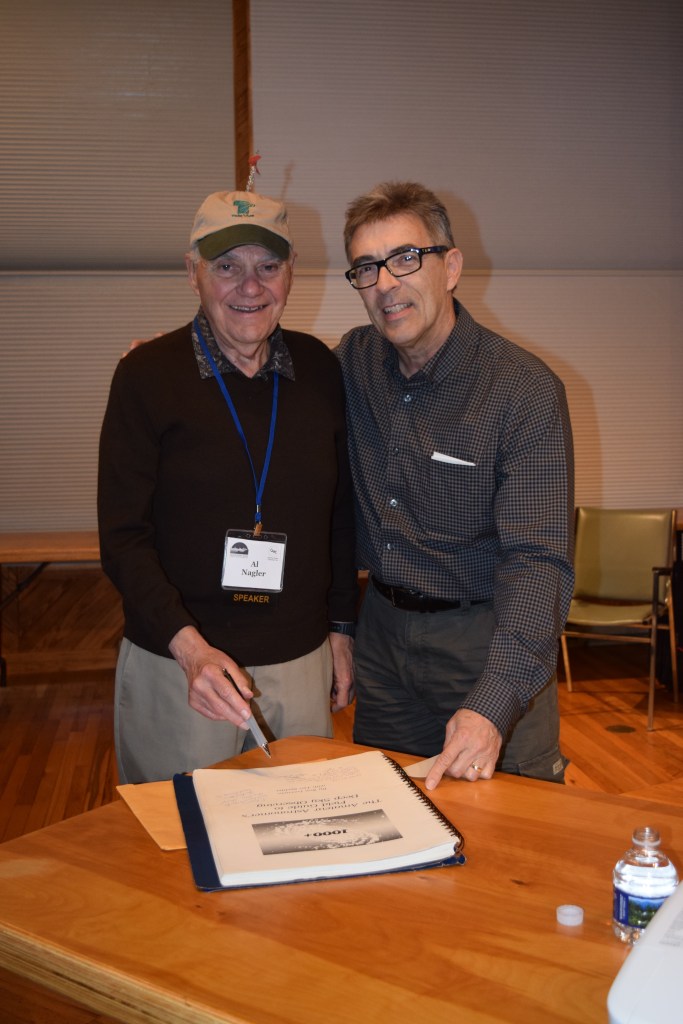
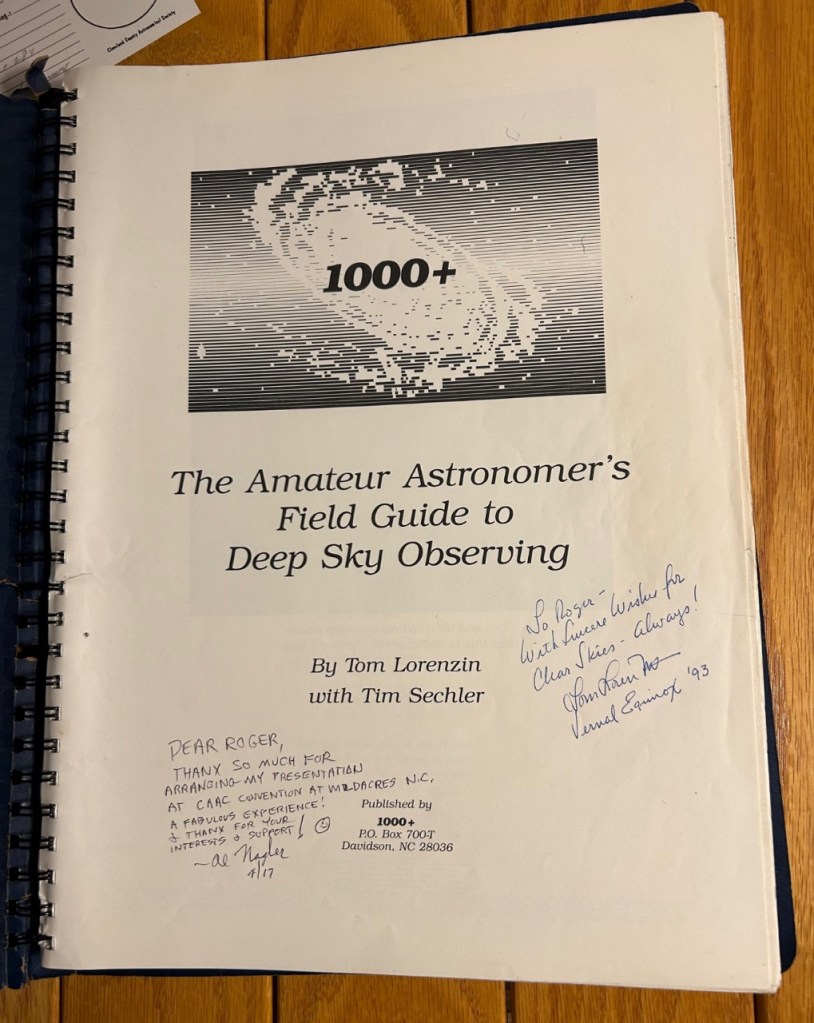
Photo as following: Al signing my “1000+ The Amateur Astronomer’s Field Guide to Deep Sky Observing” by Tom Lorenzin at the April 2017 Southern Star Astronomy Convention in Little Switzerland, North Carolina:
My signed 1000+ by Al Nagler and the late Tom Lorenzin pictured below:
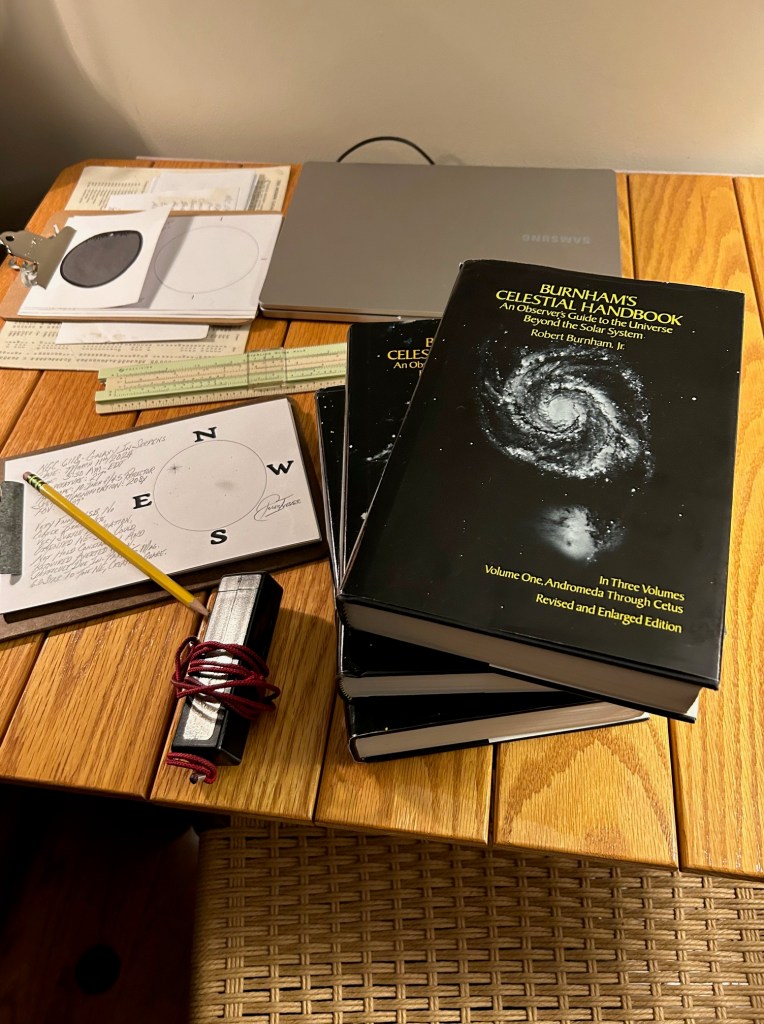
My work desk as following with a set of the handbooks, which I still us, but not as much as 20 or so years ago. I actually have two sets of the hardbacks.
The soft-backs are not very durable, especially if used outside, or even with lots of use indoors. Now just my opinion, but every amateur should have a set of Burnham’s in their home library and take them out frequently, and read some of the information.How any mortal being could put together such an amazing amount of work, with so much technical information and self-publish is nothing less than amazing!
Seems that Brian Skiff (astronomer at Lowell) at one time was contemplating a revised version of the handbooks. But, after a careful comprehensive review, “maybe before even getting started” he decided against. (I think I’m correct on this, or at least close.) I can’t remember all of the particulars, but I do remember (why Skiff might have chose not to….and seems the word he used was: Daunting!
For those of us that have been visual observers for at least the past 30 plus years “Burnham’s Celestial Handbooks” were and continue to be invaluable.
Rather than attempting to write anything about Robert Burnham Jr. there is no need; as so much information can be found in the following links, or other places online.
It was Daniel Mounsey aka “DoctorD” (advanced longtime amateur astronomer, writer, and telescope extraordinaire) that inspired this post:
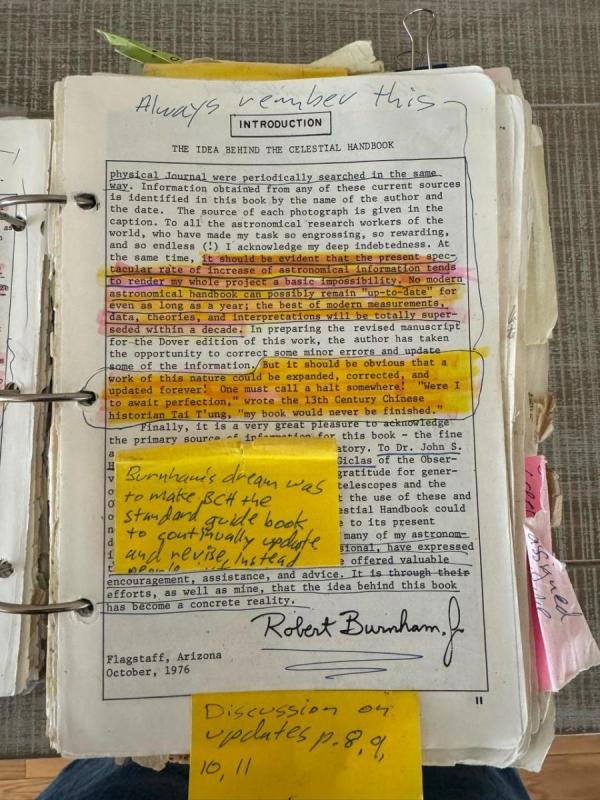
I don’t think anyone has used the Handbooks more for both indoor and backyard use than Daniel. It was about eight or ten years ago when he sent me a photo of his “soft-cover” set. They were so well-used that he fabricated steel rings to hold the pages and entire books together!
So, here are the photos that I saw, so many years ago. This is the way all astronomy reference books should look! Roger
The following quotes were taken from Daniel’s Cloudy Nights and personal emails.
“The observer who sits in quiet contemplation of what they can see at the eyepiece will be in direct contact with cosmic things…” Robert Burnham Jr.
“The astrophotographer who sits at a computer screen will be in direct contact with figuring out how to make things work….” DoctorD
Now some of my thoughts…using the handbooks: Roger
I have used the handbooks on many nights outside for reference, with my telescope. One night about 30 years ago, I remember so well using the photos from the handbooks to identify faint galaxies, NGC 147 and NGC 185. This was just one of the many times the handbooks assisted me in my observations.
Many consider the handbooks to be outdated…but not me.








 rogerivester.com
Recent Comments