Archive for February 2026

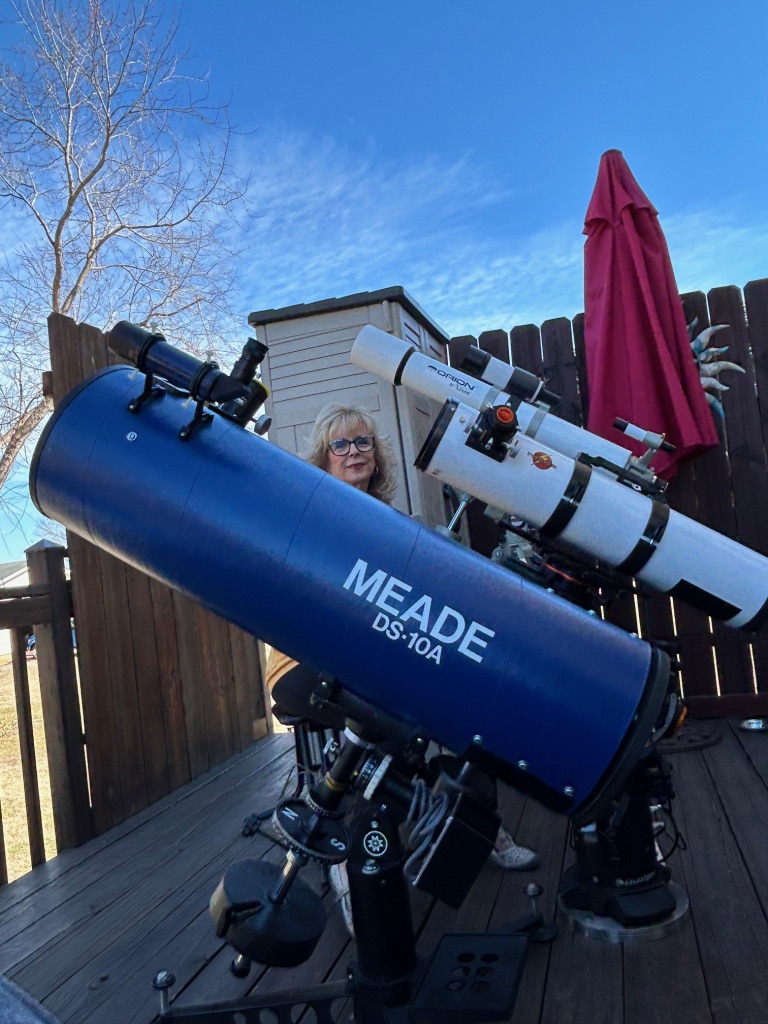
After 34 Years It Was Time To Pass My Meade Equatorial Newtonian To Another Experienced But Younger Amateur

February 14, 2026

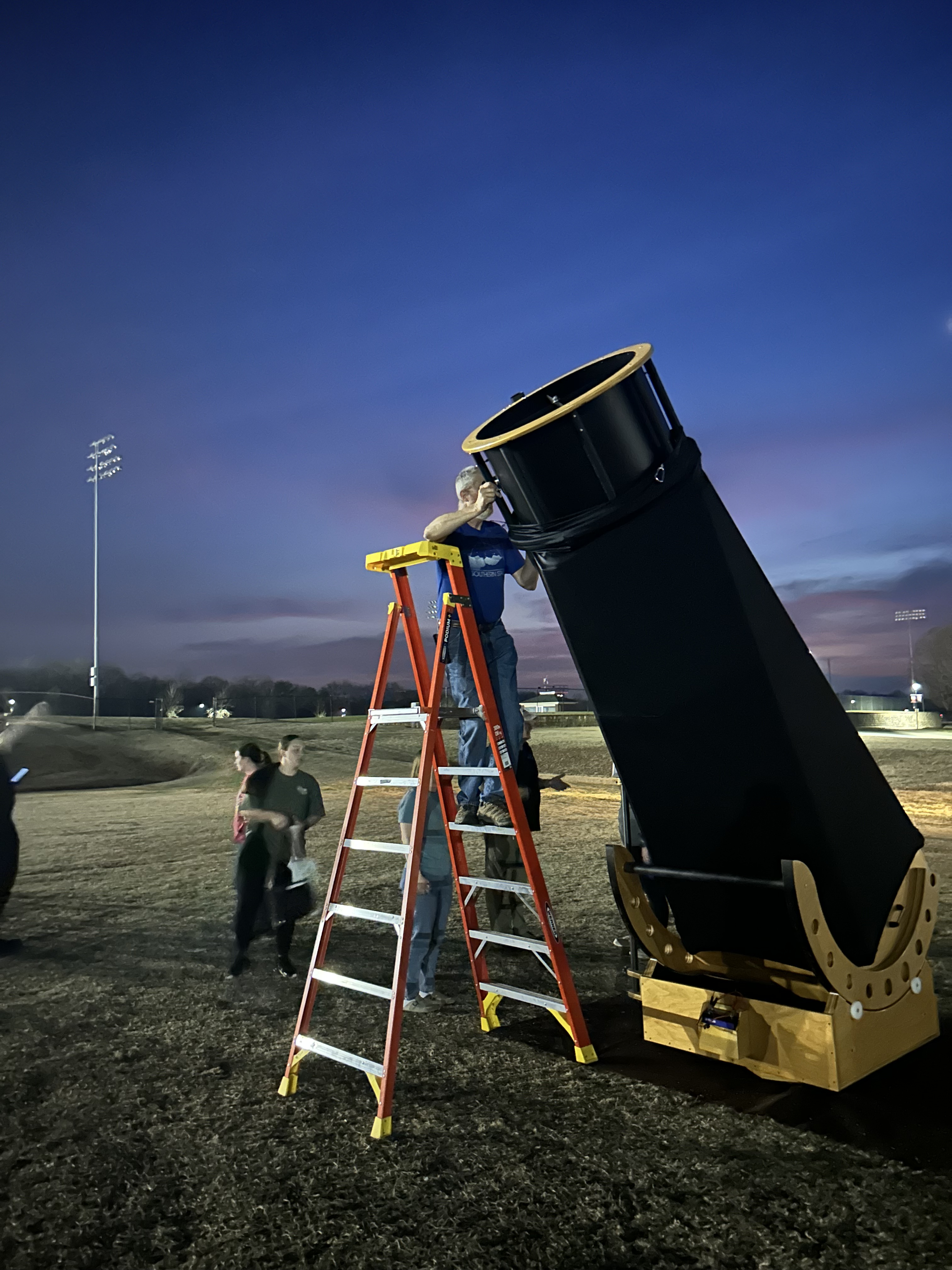
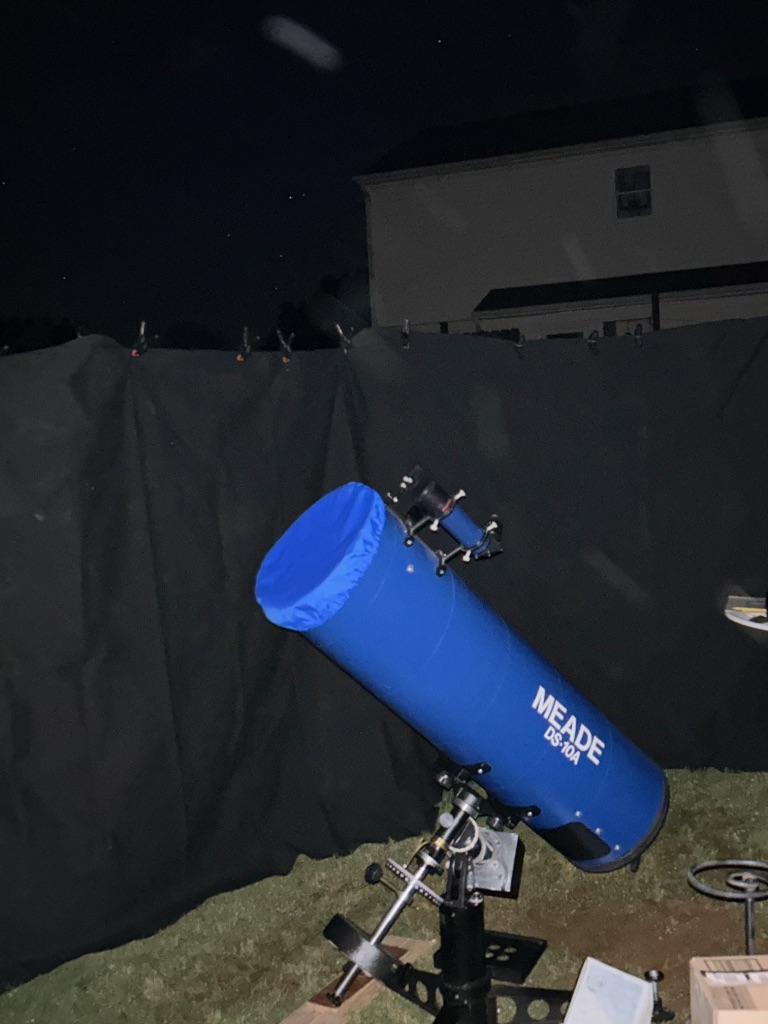
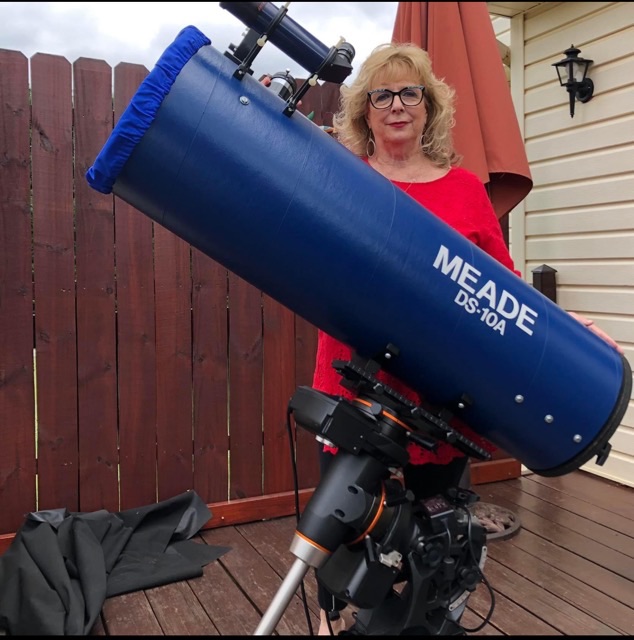
In about 1991, I began looking for something larger than my 4.5-inch reflector which I was using at that time. The Meade Deep-Space series Newtonian’s consisted of two telescopes: A 10-inch and 16-inch f/4.5 with equatorial mounts.

This was at a time when Meade was building their serious Newtonian’s in their Costa Mesa, facility, which included grinding and polishing mirrors.  All of the hardware, bolts and Allen heads on these telescopes and mounts are SAE, not metric, which goes back to days past.

Astronomy Magazine tested a 10-inch DS-10A (The 10A was an updated version with a 2-inch focuser, setting circles, and RA drive) with the magazine giving the test mirror a rating of a B+.  

So, in February 1992, I purchased the 10-inch from Pauli’s Wholesale Optics, in Danbury Connecticut. It was Fred (the owner of Pauli’s) that recommended this telescope. It was a good decision as I have been successful in making more than 1,500 deep-sky pencil sketches and thousands of observing notes.

The low pedestal mount is ideal for use with an astro-chair, when making observing notes and pencil sketches at the eyepiece. As for me, it’s impossible to observe and sketch while standing.

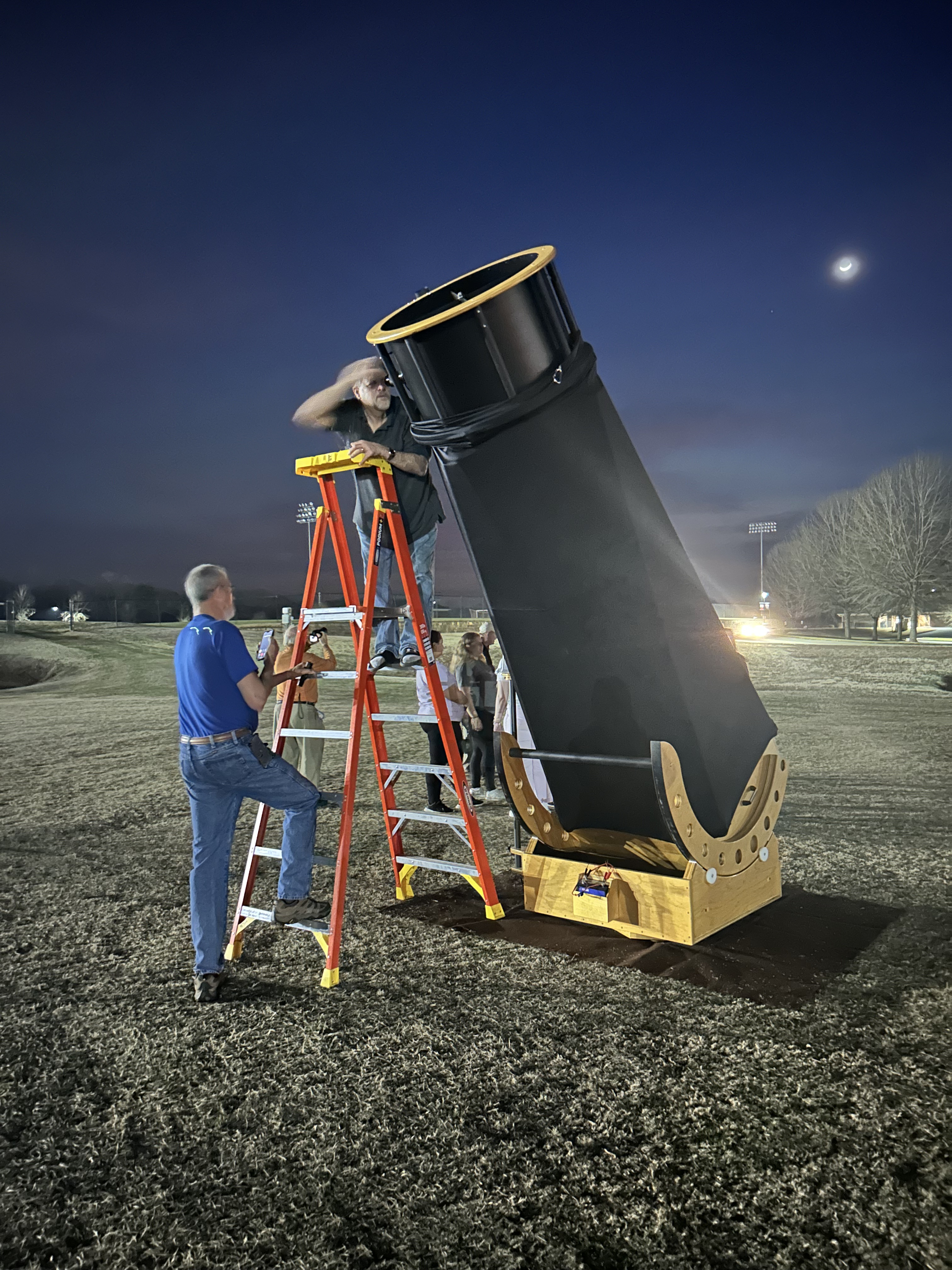
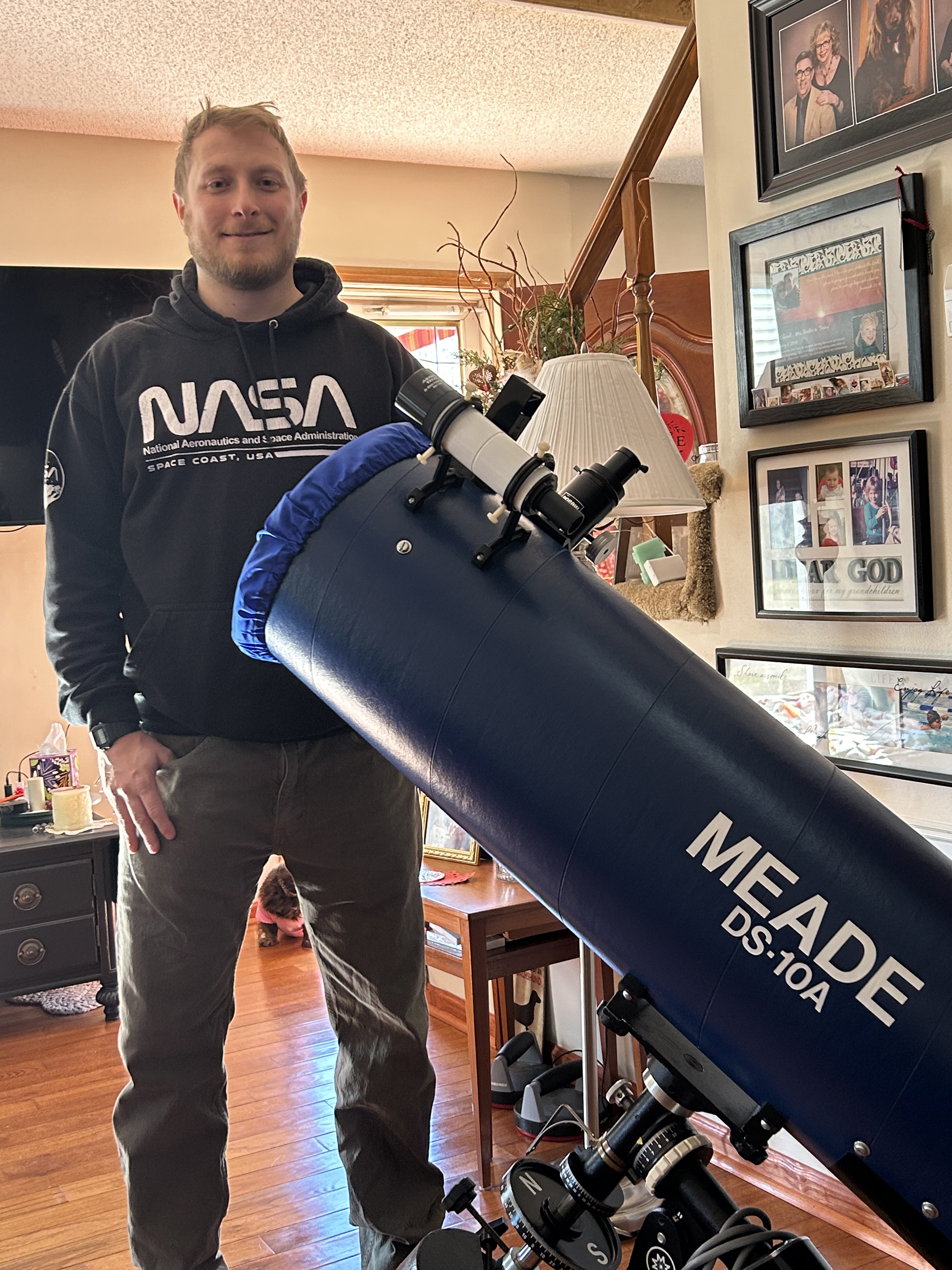
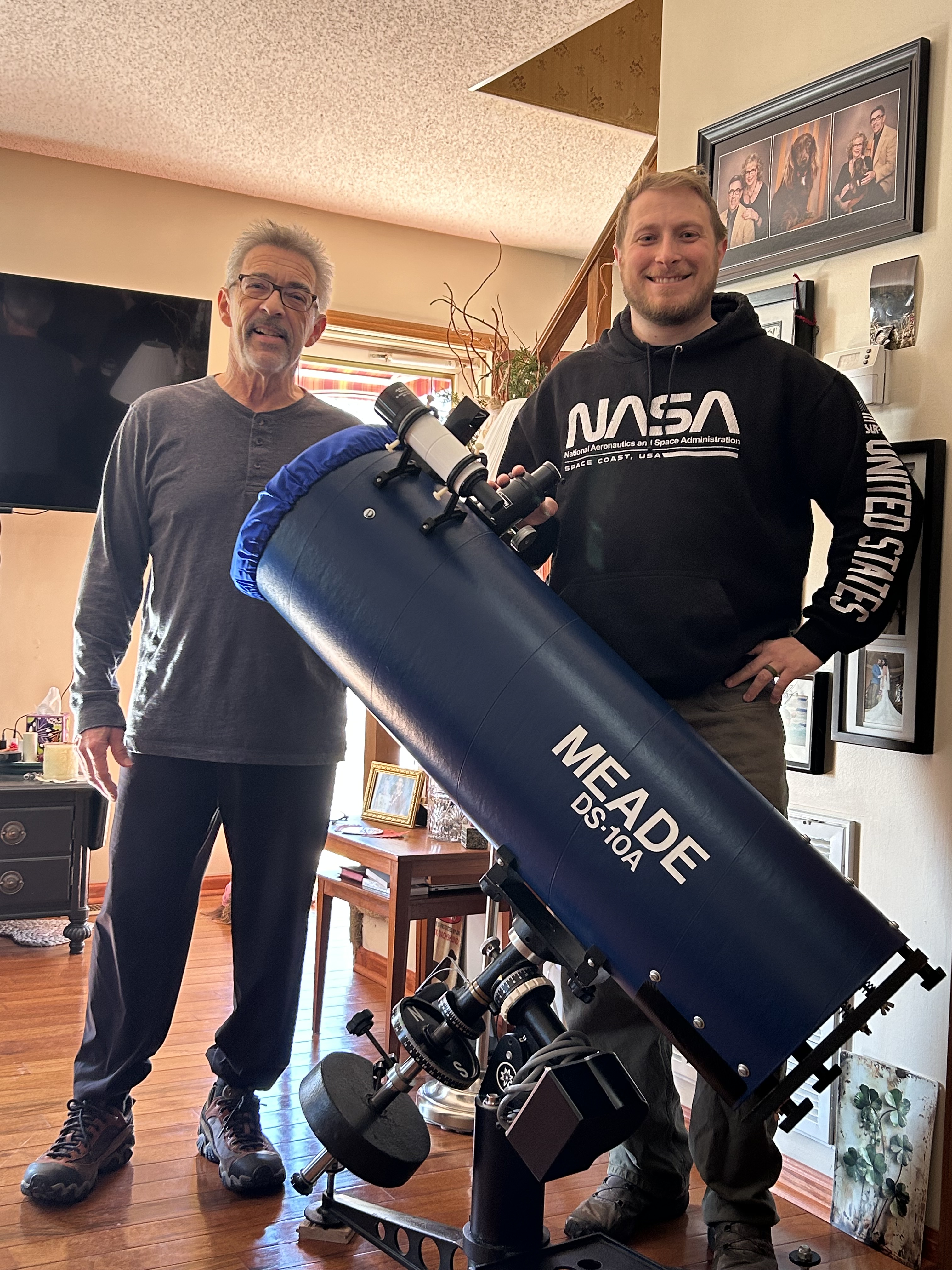
The new owner of this fabulous telescope which served me well for 34 years. I spent over 2,000 hours under a night sky and thousands of pencil sketches of deep-sky objects, and the scope is still in pristine condition. The telescope was always stored inside and in a padded zip-up bag.

It was a sad day, but a happy day as the “perfect amateur” came to take this scope. I’m sure it will allow him at least 34 years of deep-sky observing also.

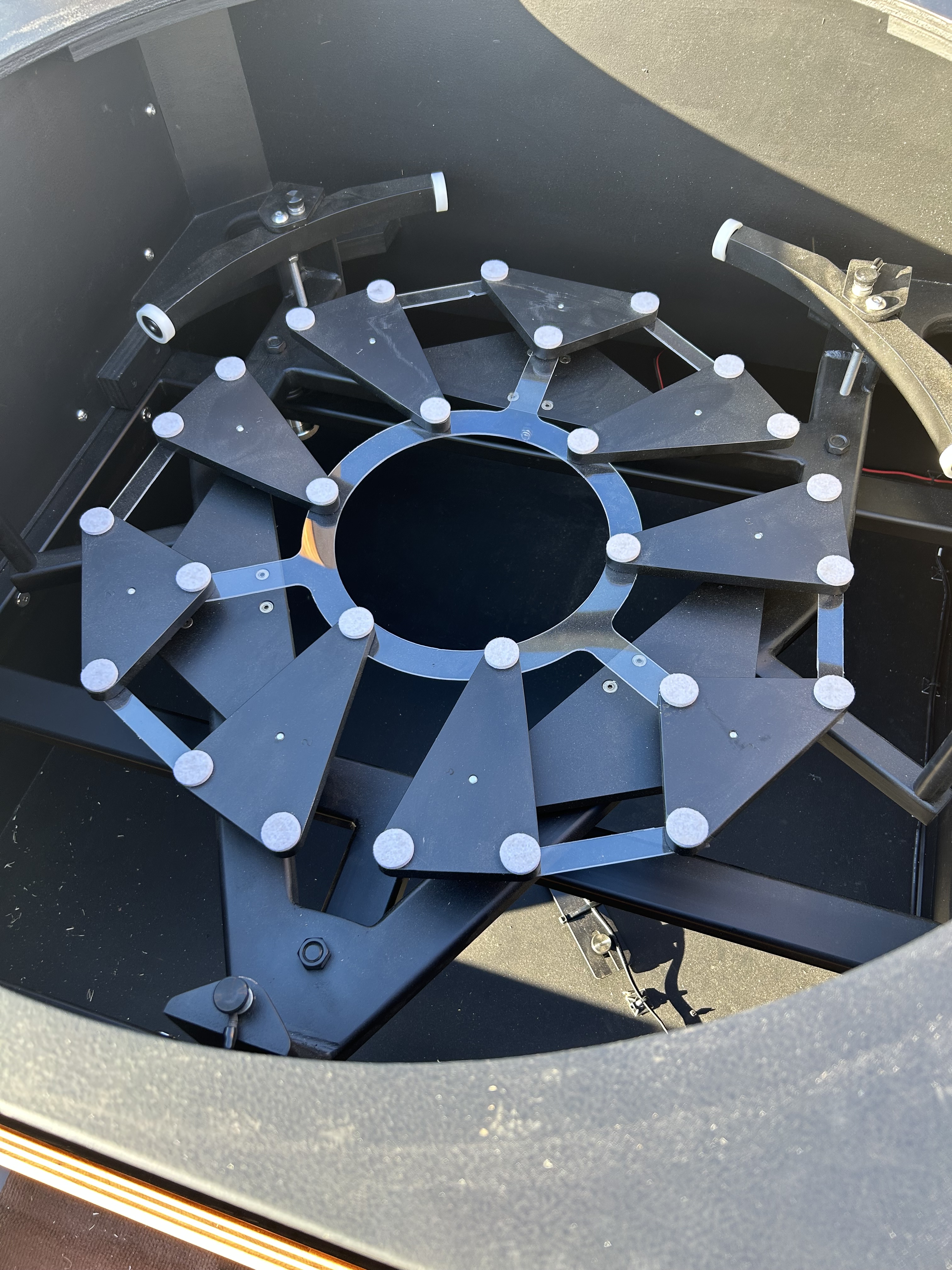
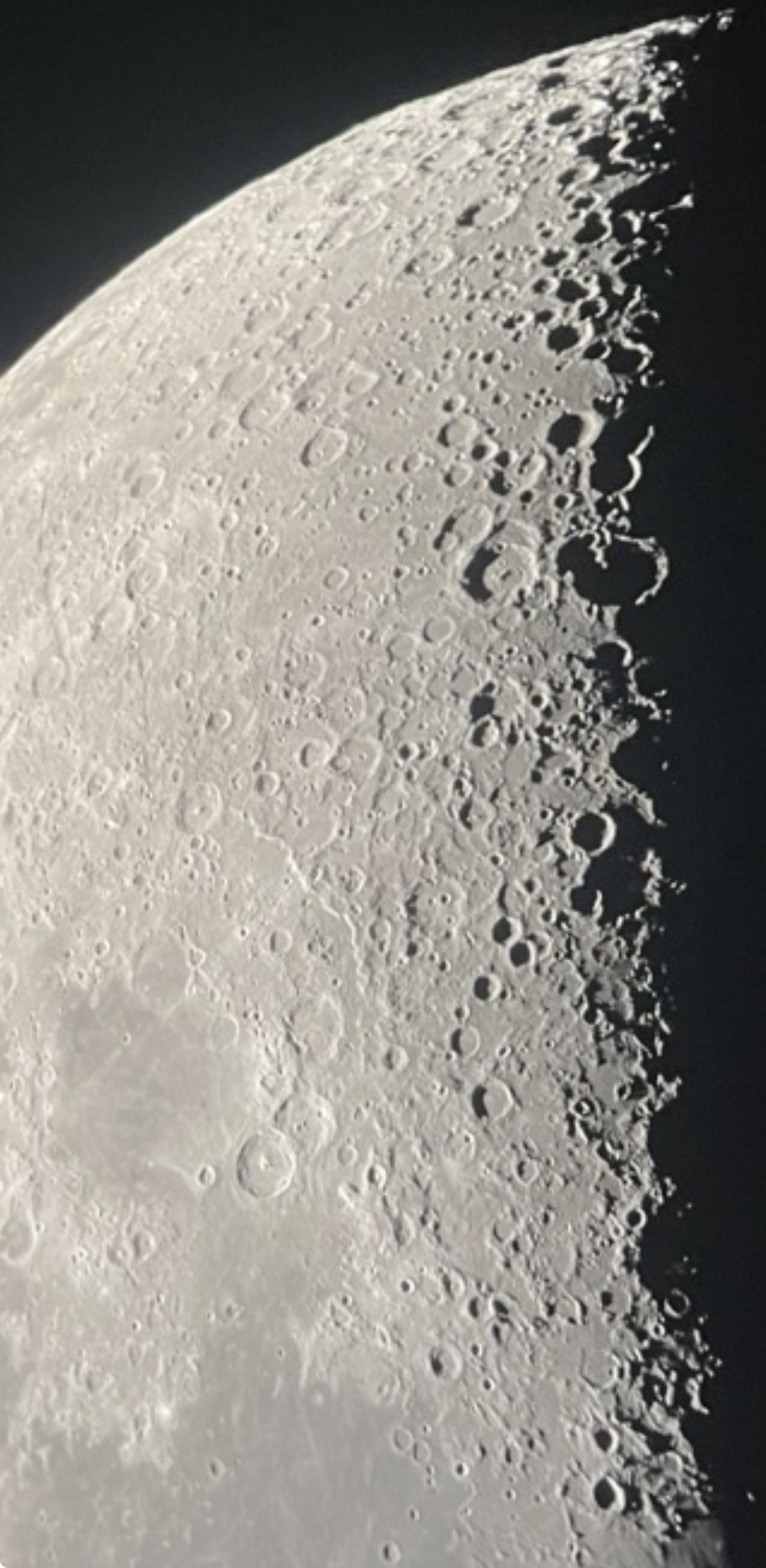
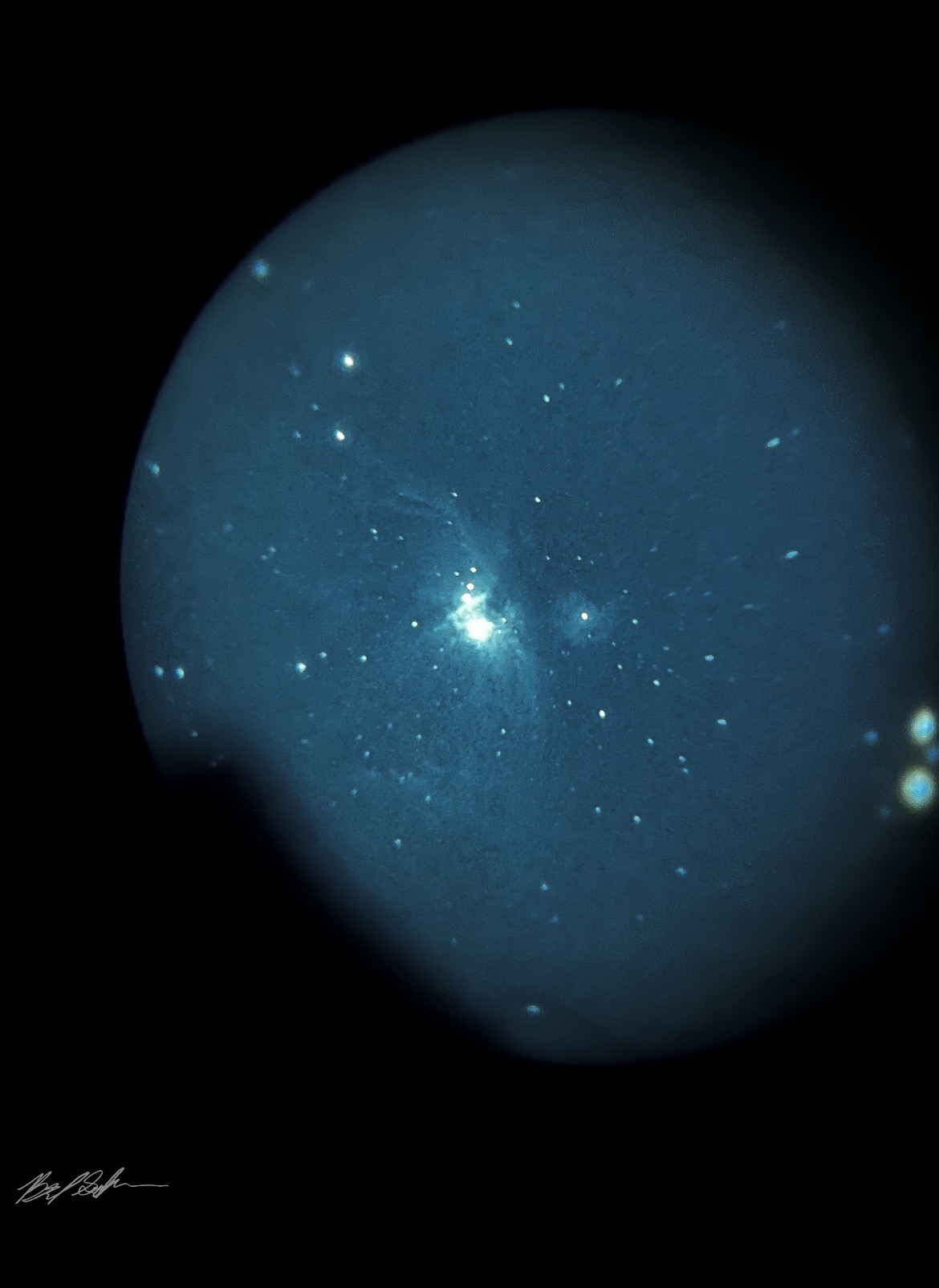
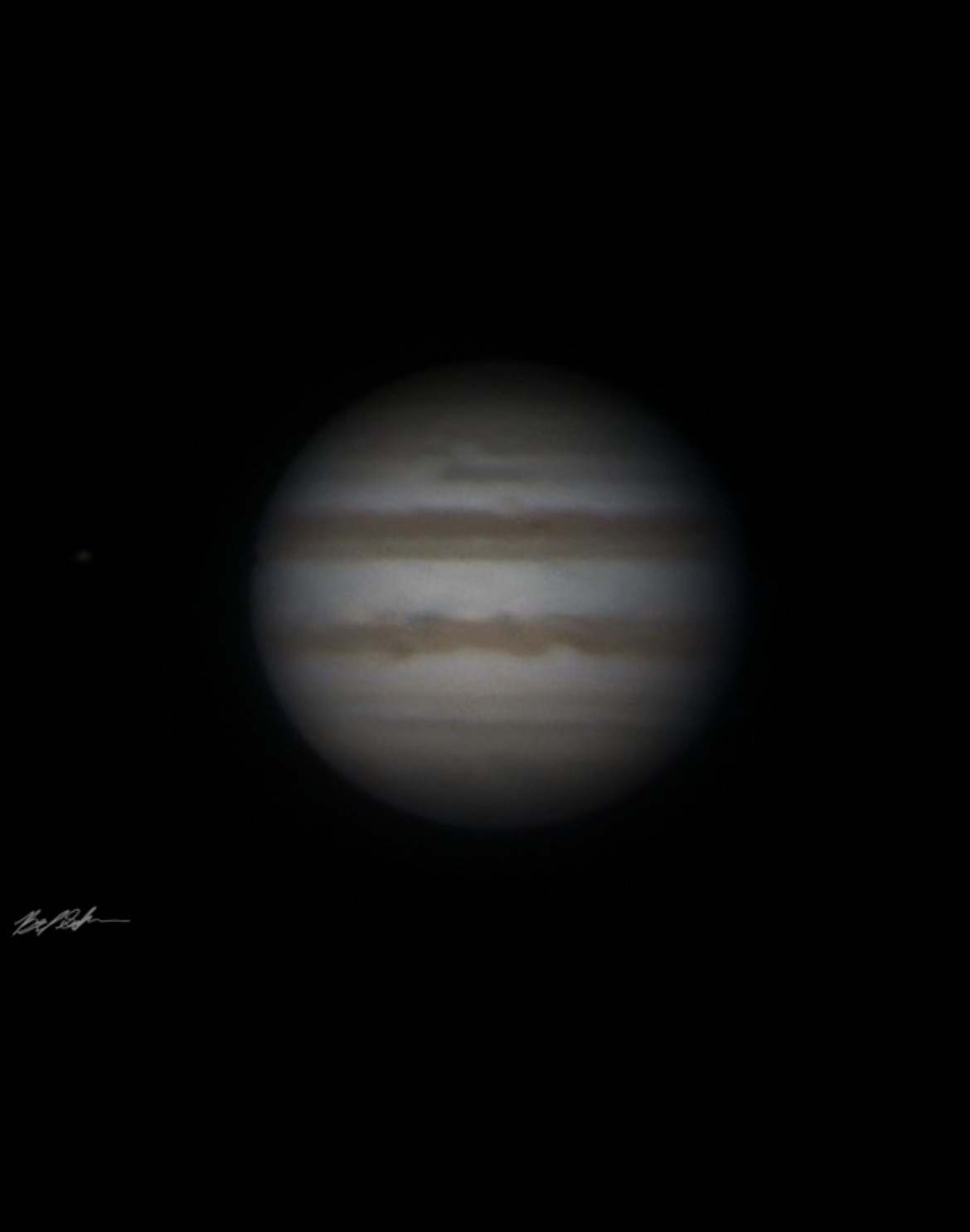
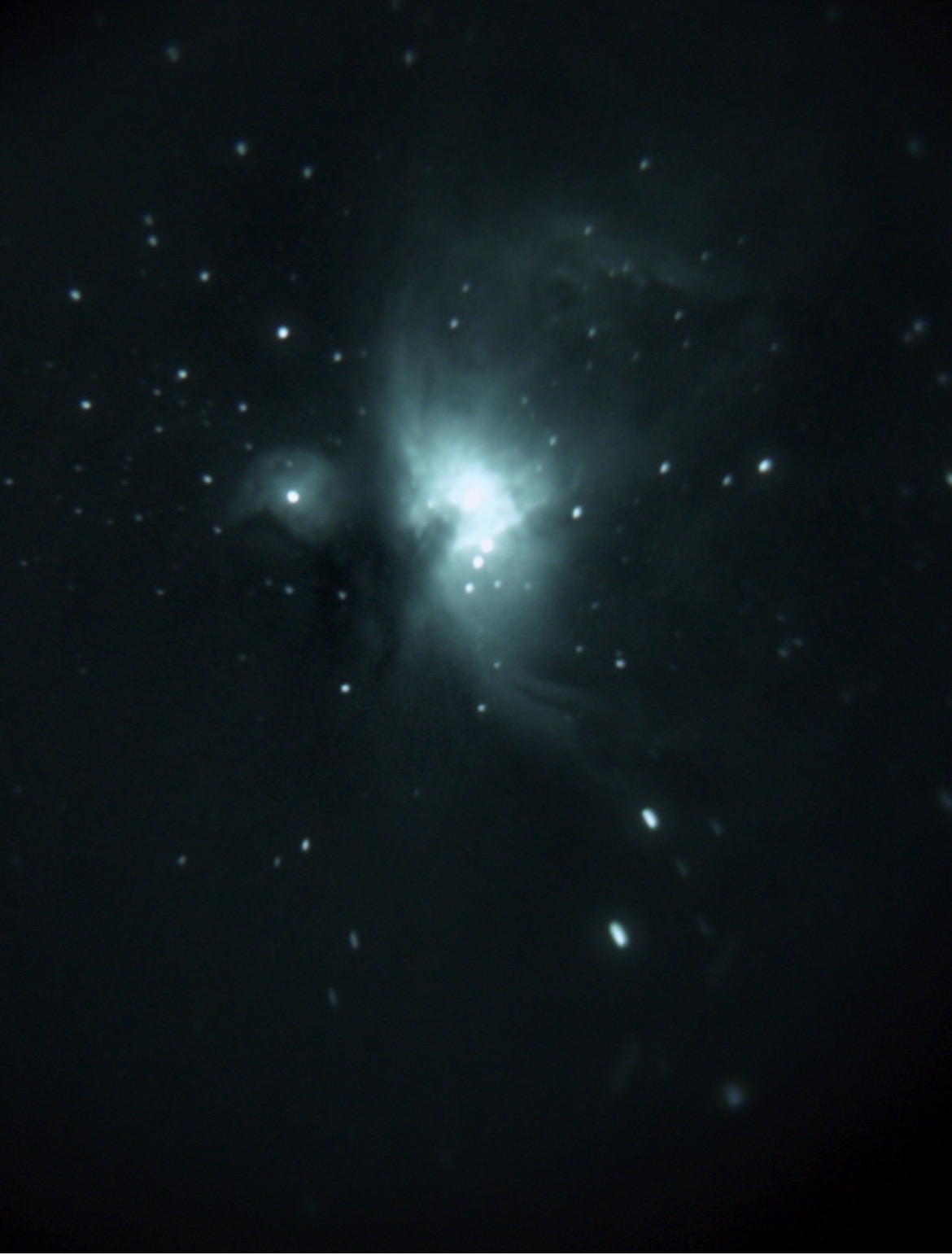
The first night out (Friday February 13th 2026) the new owner has already imaged the Orion Nebula and Jupiter. This is actually an imaging telescope, with the mirror moved up for full illumination, and with an RA drive, which I never used. An extender tube is required for visual observing.

The new owner is a professional high-speed video camera expert for industrial applications and also a seasoned astronomy imager.

Yes….the very first images and on the very first night out! I’d say pretty amazing!

Orion Nebula below

Jupiter

M42 (with night vision) I’d like to encourage more people to get into Night Vision Astro.

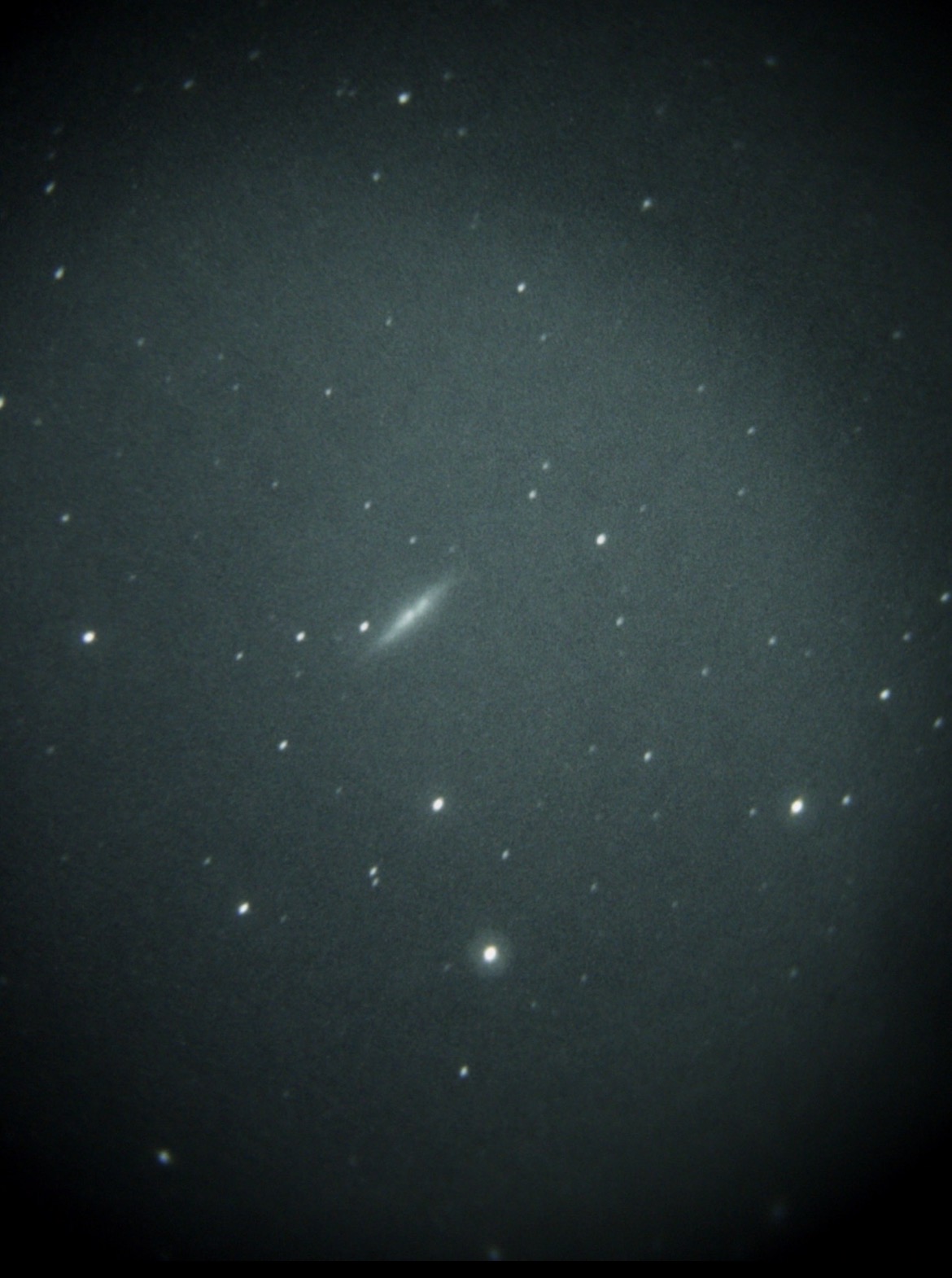
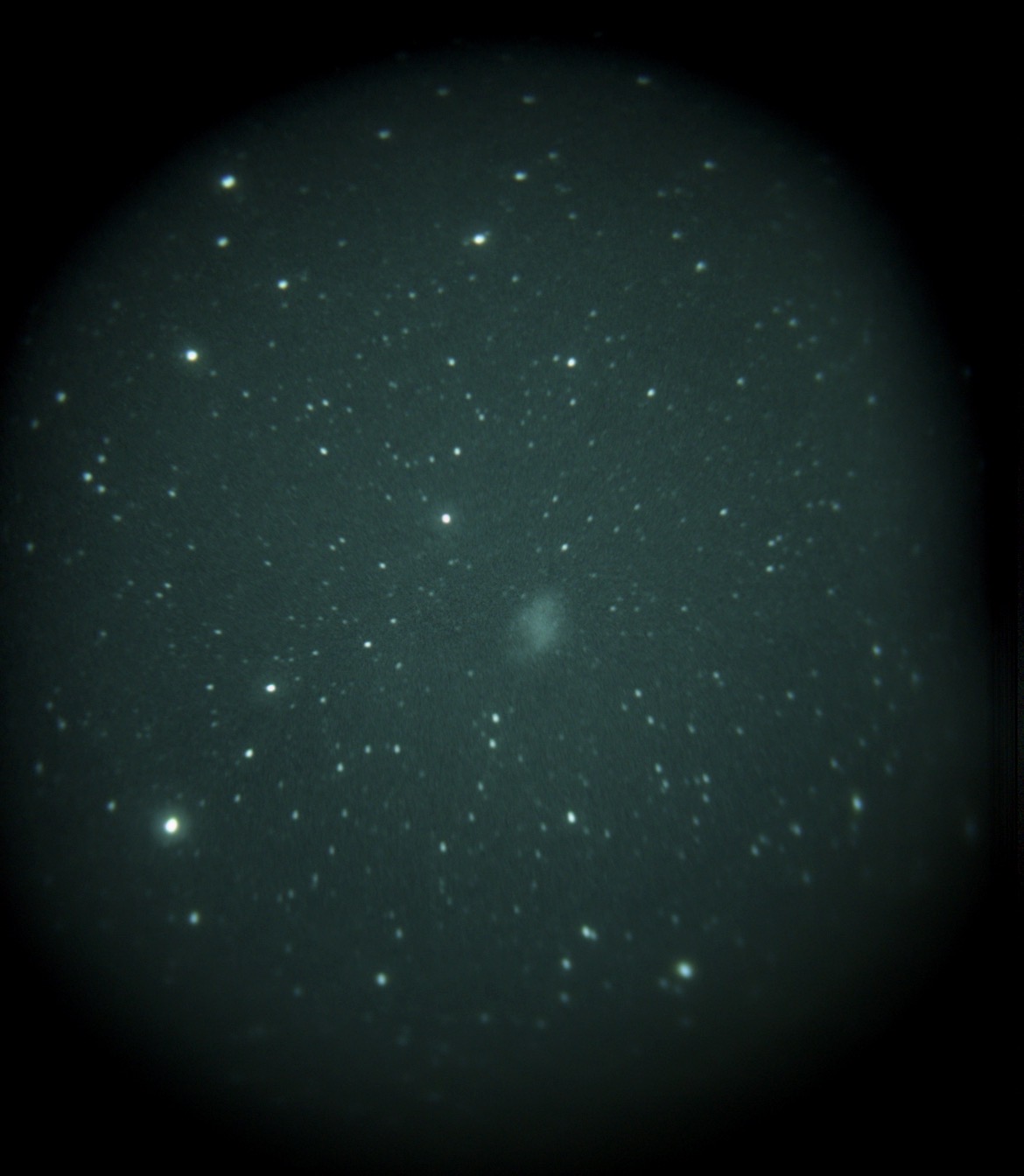
Galaxy M82

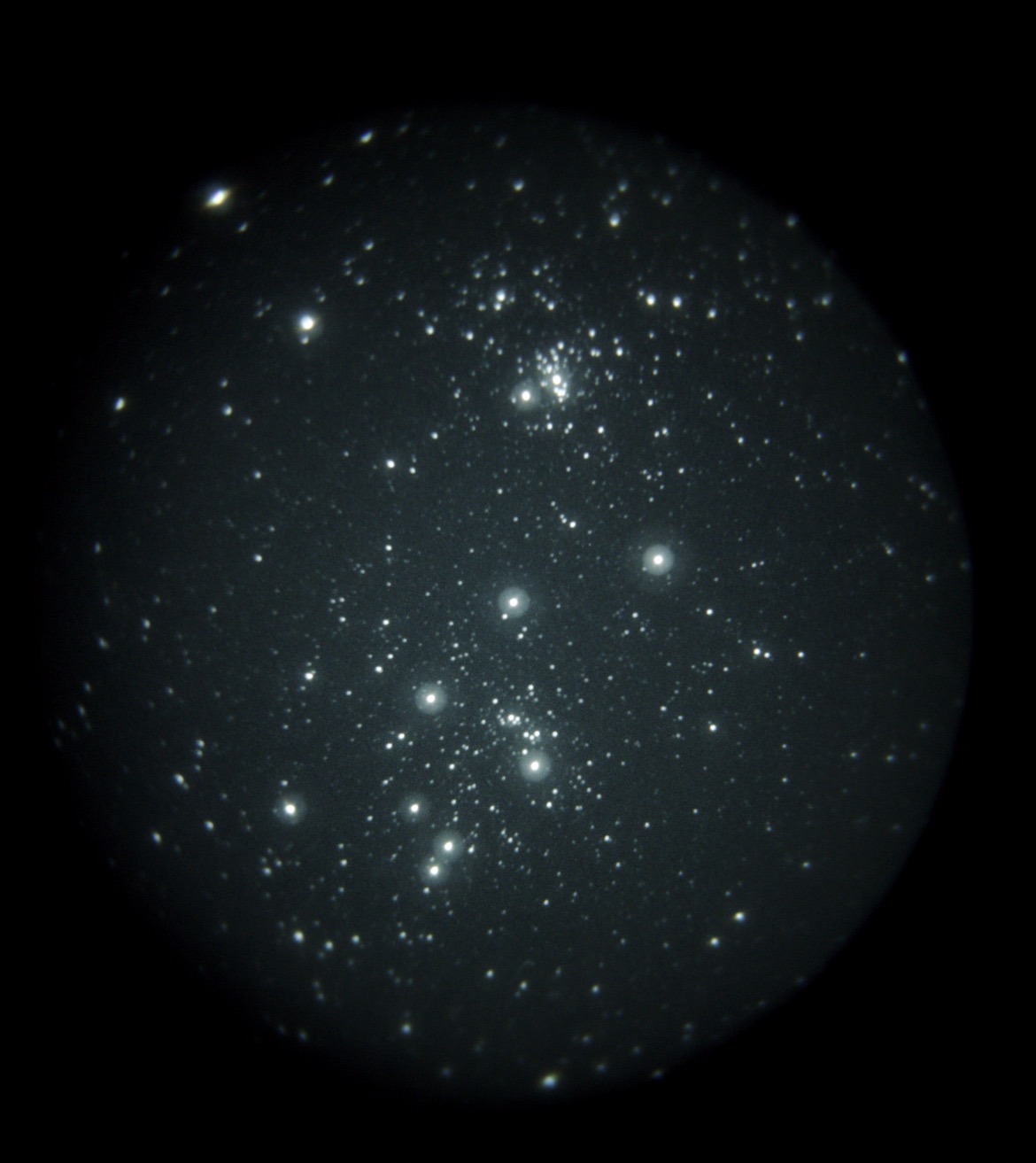
Double Cluster

M1 the Crab Nebula

T Corona Borealis: February 2026 Still Waiting And Watching

February 7, 2026

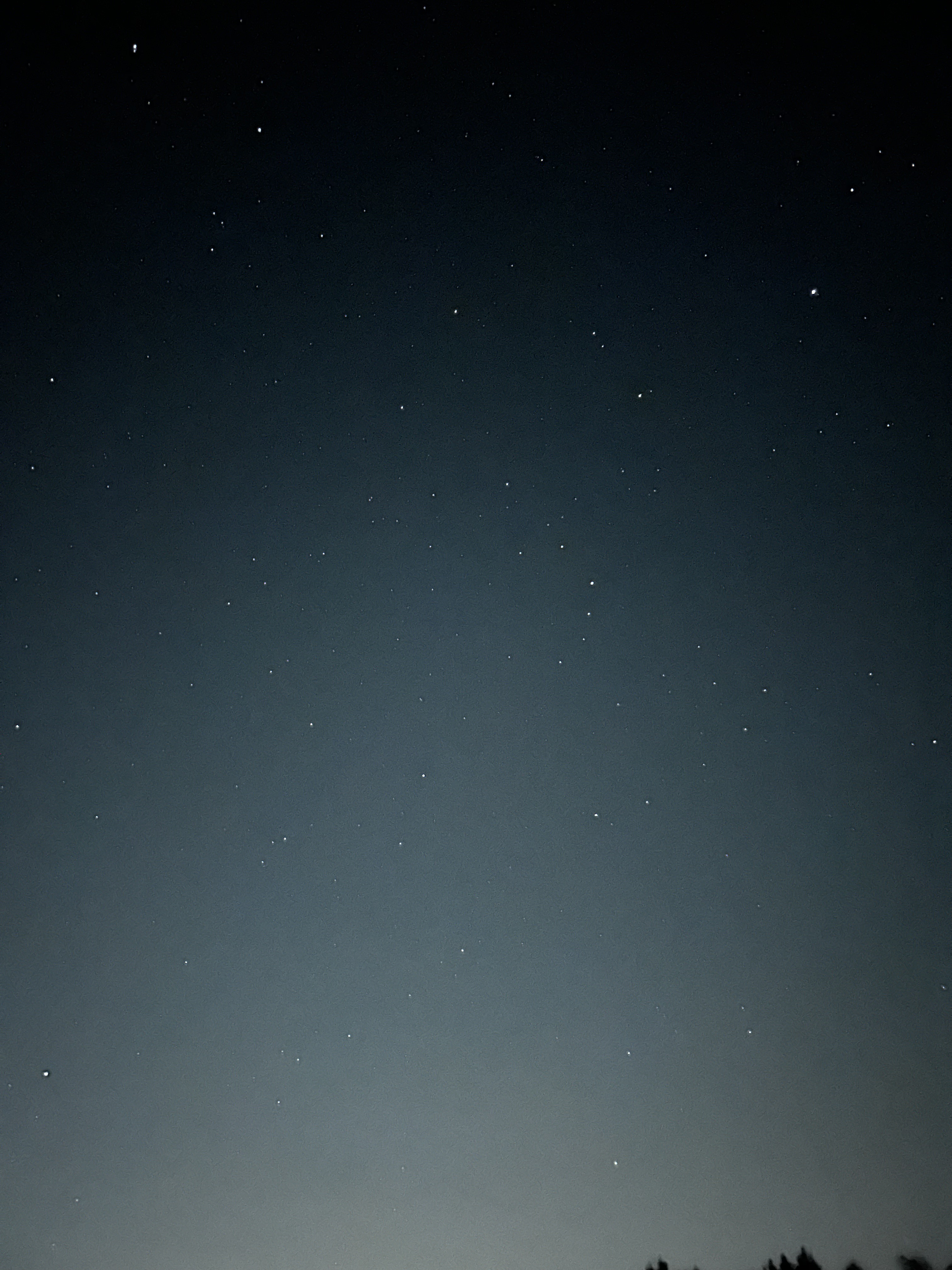
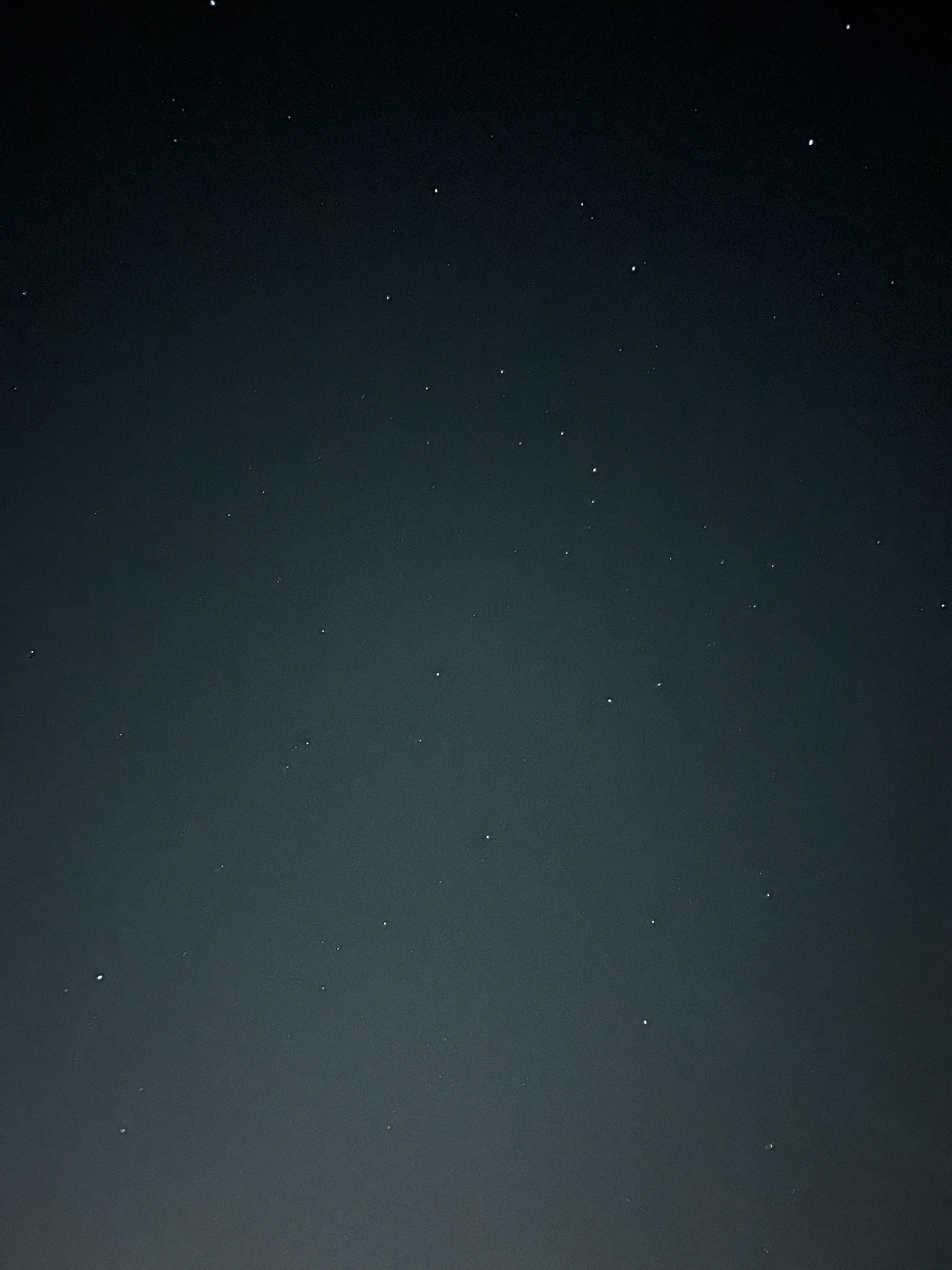
To celebrate Peltier’s 80th anniversary of T’s outburst (and Peltier missing it) on February 9th, I had planned to make a cellphone photo at precisely 2:30 AM on the morning of the 9th.  Unfortunately, it was completely cloudy.

My “latest” cell photos as following: I hope to keep this effort up, but at the moment…only if I wake up in the early AM. It will be quite a while before Corona Borealis becomes an evening constellation. For those with an interest in keeping up with T, it is in excellent sky position at about 3:00 AM and later.

Following photos: I’ll post the most current or recent first, and drop off the last…maintaining about five photos or nights for review. However, I save all of my “past” photos in my computer photo files and also in WordPress.

Roger Ivester

Saturday February 14th 2026 @ 4:56 AM

Saturday February 14th 2026

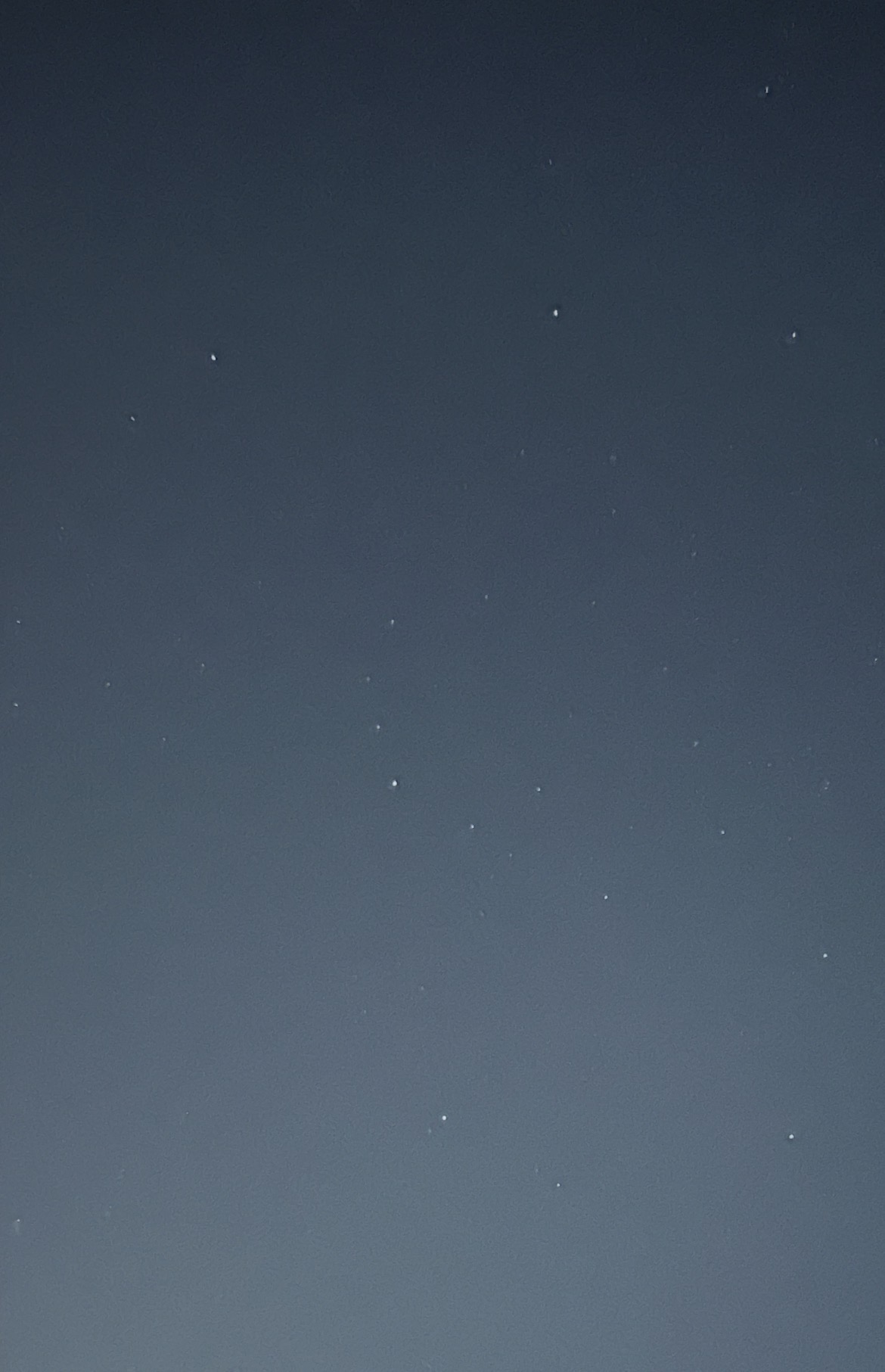
February 13th 2026 @ 4:48AM: Two cellphone photos as following. I woke up late. Corona Borealis is really high in the sky at this time…but in excellent position and above the light dome of Shelby.

4:49 AM February 13th 2026: Magnified photo…

Thursday, February 12th @ 3:15 AM (The handle of Ursa Major in the upper left and Arcturus to the right)

3:15 AM (magnified photo)

Monday, February 10th @ 2:30 AM with a bright moon and in the light dome of Shelby.

Saturday February 7th 2026 @ 2:56 AM

66A4307D-9696-47C3-99E1-7820F99C968A.jpeg

Open Cluster IC 4665 In Ophiuchus: Deep-Sky Wonders

February 5, 2026

From “Deep-Sky Wonders” Walter Scott Houston: selections and commentary by Stephen James O’Meara:   

“Many years ago Glen Chaple, Jr., of Townsend, Massachusetts, “discovered” a deep-sky object in Ophiuchus; he found about two dozen stars forming a group which could be glimpsed with the naked eye.  He likened the cluster to the Praesepe in Cancer, but was not plotted on his copy of “Norton’s Star Atlas.” The object does, however, have a name.  It is IC 4665 and is listed in the “Index Catalogue” to the NGC. In those days of stargazing, serious deep-sky observers soon learned that no single atlas can suit all their needs. Today, of course, IC 4665 is plotted on most modern star charts.” WSH

Now from Sue French “Deep-Sky Wonders” A Tour of the Universe With Sky & Telescope’s Sue French as following:

“The splashy open cluster IC 4665 is barely within the boundary of the Milky Way on the atlas. It’s easy to spot 1.3º north-northest of Beta Ophiuchi, which shares the field of view through binoculars or a finderscope. In my 15×45 image-stabilized binoculars, the cluster’s prominent core spans more sky than the full Moon, and loosely scattered outliers to 70′. Half its 40 stars outline a rough circlet with one star at its center and a stem that leads westward to a slightly wavy line tipped north-northwest. To me, it looks like a simplistic drawing of a flower springing up from a gently undulating patch of the ground. Finish amateur Jaakko Saloranta comes away with a different impression. Through his 80mm refractor, he sees the group as the Fish Spear of Poseidon. ” Sue French

Magnitude: 4.2 Size: 70′

Coordinates: RA 17h 46′ Dec. +05º 43′

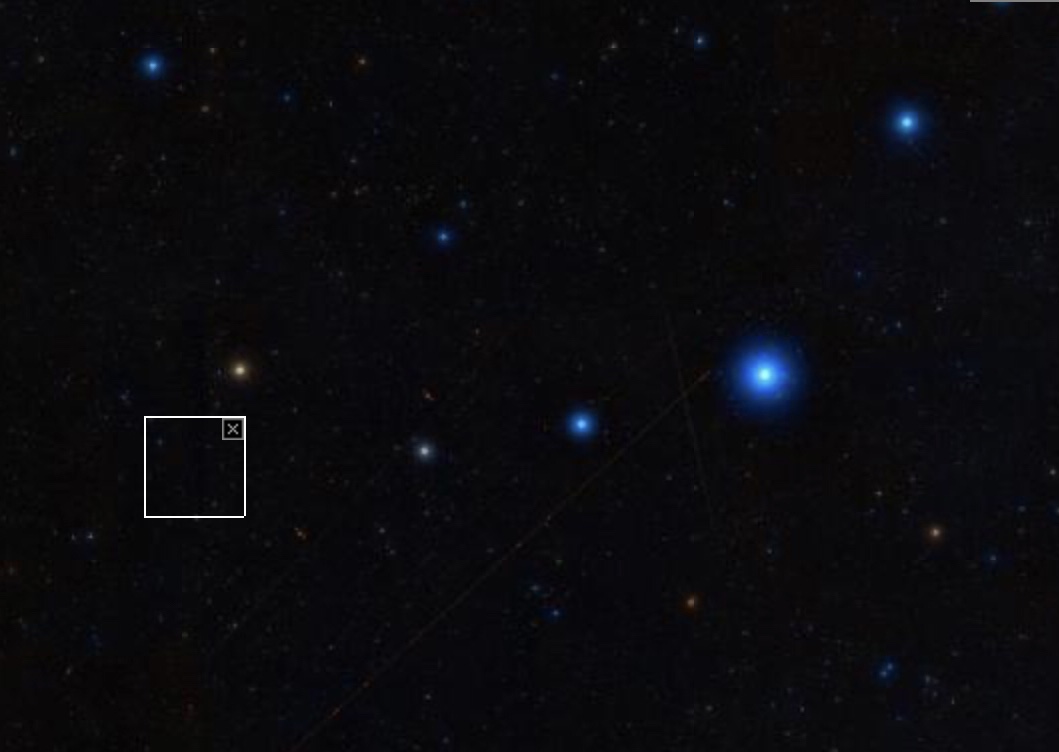
The following image from wikisky.org